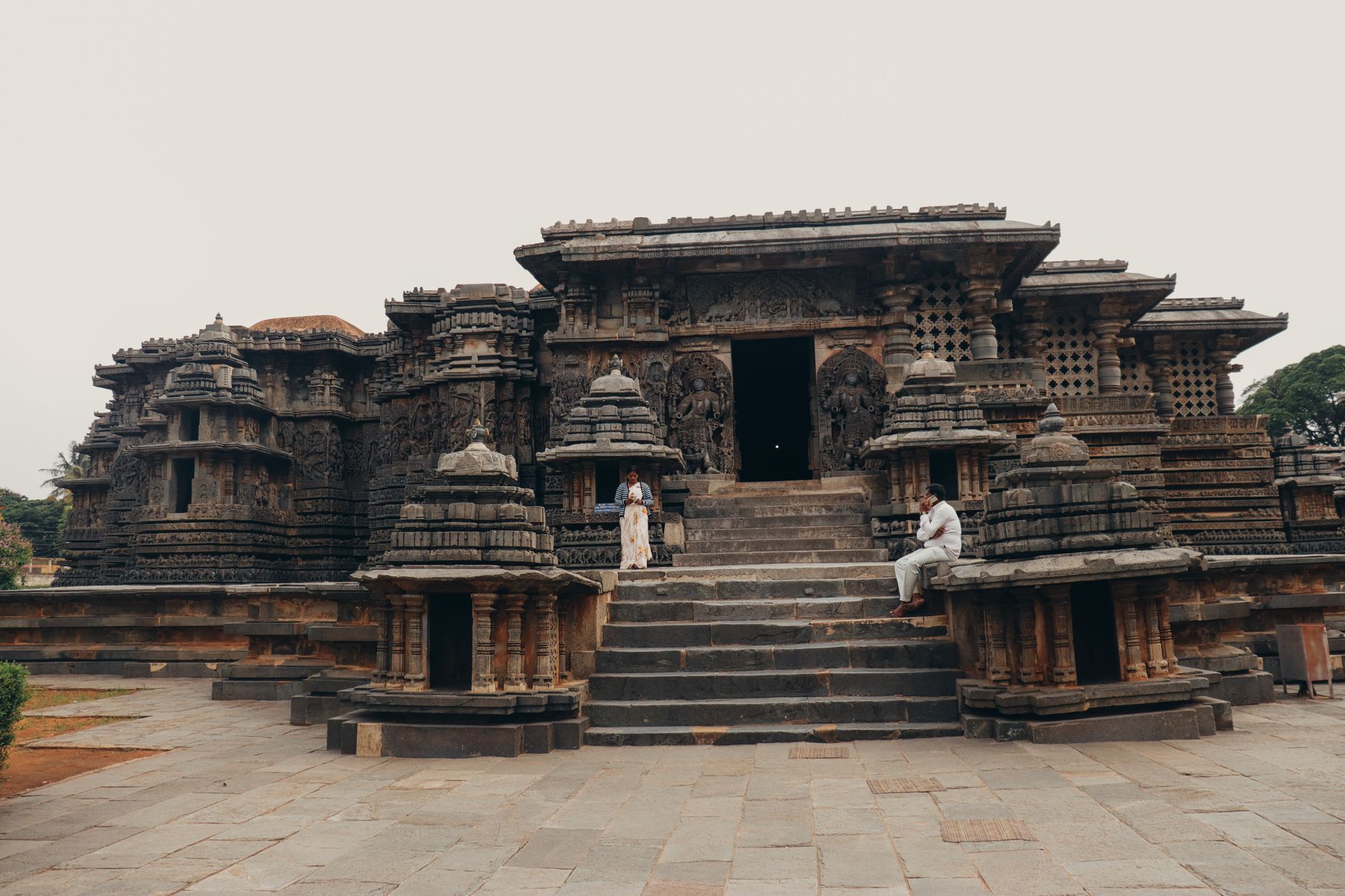
Hassan in Monsoon: What to Expect
Hassan during monsoon (June–September) becomes a verdant retreat with cooler temperatures and dramatic skies. Expect frequent afternoon showers, misty temple visits, and thriving coffee estates. The season offers fewer crowds and lower hotel rates, but requires waterproof gear and flexible sightseeing plans.
What Actually Happens to Hassan's Weather?
The monsoon doesn't arrive as a single day of transformation; it creeps in gradually. June sees intermittent rains, often warm and steamy. By July and August, the town settles into a rhythm of morning sunshine followed by heavy afternoon downpours—typically between 2 p.m. and 6 p.m. Temperatures hover around 20–24°C in the mornings, rising to 26–28°C during the day, but never the scorching heat of March or April.
The air becomes thick with moisture. If you're someone who appreciates that earthy petrichor smell after rain, Hassan's monsoon delivers it generously. Humidity climbs to 75–85%, so cotton clothing and quick-dry fabrics become your best friends. The upside? The dust that settles during dry season is completely absent.
Related: Best time to visit Shivamogga: month-by-month guide
See also: Karnataka in February: Weather, Where to Go and What to Expect
See also: Bandipur in Monsoon: What to Expect
How Does Monsoon Affect Temple Visits and Sightseeing?
The two major draw—Belur and Halebid temples—remain open year-round, but monsoon transforms them visually. The intricate stone carvings look jewel-like under grey skies, and the absence of harsh sunlight actually makes photography more forgiving. However, footpaths around the temples become slippery, and if heavy rain coincides with your visit, the outdoor sections are less enjoyable.
The key strategy: visit temples early, between 7 a.m. and 10 a.m., before afternoon rains build. Shravanabelagola, the famous Jain pilgrimage site about 50 km away, is still accessible, though the 644 steps to the Gomateshwara statue become a careful scramble when wet.
Day trips to nearby estates—coffee, spice, or silk plantations—are genuinely rewarding in monsoon. The coffee plants are at their greenest; the air smells of wet soil and growing things. Estate owners often reduce public tours slightly during peak rain, so check ahead.
Which Hotels Are Most Reliable During Monsoon?
Palguni Residency (9.1/10 rating) offers excellent value and sturdy infrastructure—reviewers consistently mention reliable hot water and functional drainage, essentials during monsoon. It's centrally located, so you're never far from a covered market or restaurant if rain disrupts plans.
Chamundi Comforts (8.9/10 rating) is similarly well-regarded for monsoon stays; guests note efficient housekeeping staff who manage humidity and dampness proactively. Its compact size means attentive service when you need to adjust check-in or arrange emergency transport.
Hassan Ashok (7.9/10), the town's 4-star option, offers more consistent air-conditioning and backup power—practical during occasional local outages. You'll pay more, but the infrastructure is built for weather challenges.
Hoysala Village Resort (8.7/10) sits slightly outside town with a garden setting. In monsoon, this means natural charm but slower service if you need something urgently; however, guests praise its peaceful atmosphere and solid facilities.
Avoid New Suvarna Resort (6.8/10) during monsoon; its lower rating partly reflects monsoon-specific complaints about humidity management and inconsistent hot water.
What Activities Actually Work in Monsoon?
Indoor options aren't Hassan's strength—the town isn't built for rainy-day tourism. However:
- Early morning walks through residential areas and gardens are genuinely pleasant. The town feels quieter, and the surrounding greenery is stunning.
- Market exploration (covered sections of Raja Bazaar) works fine and is actually more atmospheric during light rain.
- Estate visits remain the season's best offering. Coffee estates near Mudigere and Balehonnur (30–45 km away) are working at full production, and the lush scenery is incomparable.
- Religious travel for monsoon pilgrimage is significant; some travellers time visits specifically for the rainy season's spiritual atmosphere.
- Short drives to Belur, Halebid, and Hassan bazaars work well if you plan around the afternoon rain window (typically 3–6 p.m.).
What won't work: long outdoor treks, full-day sightseeing without shelter, or visiting very remote viewpoints. The surrounding hills become obscured by clouds, reducing visibility for photography.
How Do Costs Compare to Dry Season?
Hotel rates drop 15–30% during monsoon. Three-star properties like Mallige residency (8.4/10) and Palguni Residency charge substantially less than in peak season (October–March). Taxi fares may increase slightly for unfamiliar routes in rain. Food and local transport remain unchanged.
The real cost-saving: fewer tourists mean no queue frustration at temples and better negotiating power with guides or drivers.
What Should You Pack and Prepare?
- Quality waterproof jacket: lightweight, packable, breathable. Ponchos aren't practical for exploring narrow temple aisles.
- Quick-dry clothing: cotton absorbs moisture; synthetic blends or merino wool are superior.
- Closed-toe shoes with grip: temples and streets are slippery. Avoid sandals entirely.
- Waterproof bag for electronics and documents.
- Umbrella: useful for brief showers, though useless in heavy rain while sightseeing.
- Medications: monsoon humidity can aggravate skin or respiratory issues; carry antihistamines or inhalers if relevant.
Arrive with flexible expectations. Afternoon rain is virtually certain; it's rarely all-day, but afternoon sightseeing plans will be disrupted occasionally.
Is Monsoon Actually Worth Visiting Hassan?
Yes, if you prioritise lush landscapes, solitude, and authentic local life over perfect sightseeing conditions. The temples are genuinely beautiful in monsoon light. Estate visits are superb. Hotel costs are low, and the cooler weather is pleasant for walking.
No, if you're on a tight schedule and need guaranteed outdoor access every day, or if you travel with young children or elderly relatives who struggle with humidity and constant small rain interruptions.
For more context, read about Hassan's geography and best time to visit, or explore the surrounding Ella region and Chikmagalur's coffee estates if you're building a broader Karnataka trip.
FAQ
How often does it rain in Hassan during monsoon? Expect rain on 8–10 days per week on average, mostly in concentrated afternoon bursts. Early mornings are usually clear.
Are roads to Belur and Halebid safe during monsoon? Yes, they're well-maintained and passable. Drive carefully and avoid travel during peak downpours (3–5 p.m.). Local taxis are accustomed to these routes.
Is Hassan less crowded in monsoon? Absolutely. Tourist numbers drop by 50–60% compared to October–February. This is Hassan's most peaceful season for exploration, though fewer tour groups means fewer informal guides.
Which monsoon month is best: June, July, August, or September? Late June and September (shoulder months) offer lighter rain and still-pleasant temperatures. July and August are wetter but greener. September is ideal if you want lush scenery without peak monsoon intensity.