Karnataka in February: Weather, Where to Go and What to Expect
February is widely considered Karnataka's best travel month. Temperatures hover between 15–28°C depending on altitude and location, rainfall is negligible, and the humidity that plagues the state at other times of year simply vanishes. The landscape is still green from the monsoon, yet the skies are clearer than they'll be until October. This combination makes February ideal for trekking, sightseeing, festivals, and practically any outdoor activity.
What's the weather actually like?
February is peak winter by Indian standards, though "winter" in Karnataka means pleasantly cool rather than cold. In coastal Mangaluru, expect 20–30°C with a slight sea breeze. In elevated areas like Kodachanadri or the ghats, mornings can drop to 10–15°C—bring a lightweight jumper or fleece. Bangalore sits around 16–26°C, making it ideal for walking and exploring. Rainfall is virtually zero; humidity averages 50–65%, which feels comfortable after the 80%+ of the monsoon season.
Sunrise and sunset are spectacular in February. The air is clear, making hill-station views and photography rewarding. Early mornings can be crisp, so layering is practical, but by midday you'll likely shed the outer layer.
Related: Mysore in Monsoon: What to Expect
See also: Karnataka in March: Weather, Where to Go and What to Expect
See also: Sakleshpur in Monsoon: What to Expect
Where should you go in Karnataka in February?
Hill stations and trekking
The Western Ghats are at their finest. Kodachanadri, Mullayanagiri, Chikmagalur, and Coorg receive peak footfall in February for good reason—trails are dry, viewpoints are clear, and the cool temperature makes hiking comfortable. Visibility extends for miles, revealing misty valleys and distant peaks. Coffee plantations are lush, and homestays cluster around Chikmagalur offer authentic stays.
Heritage sites
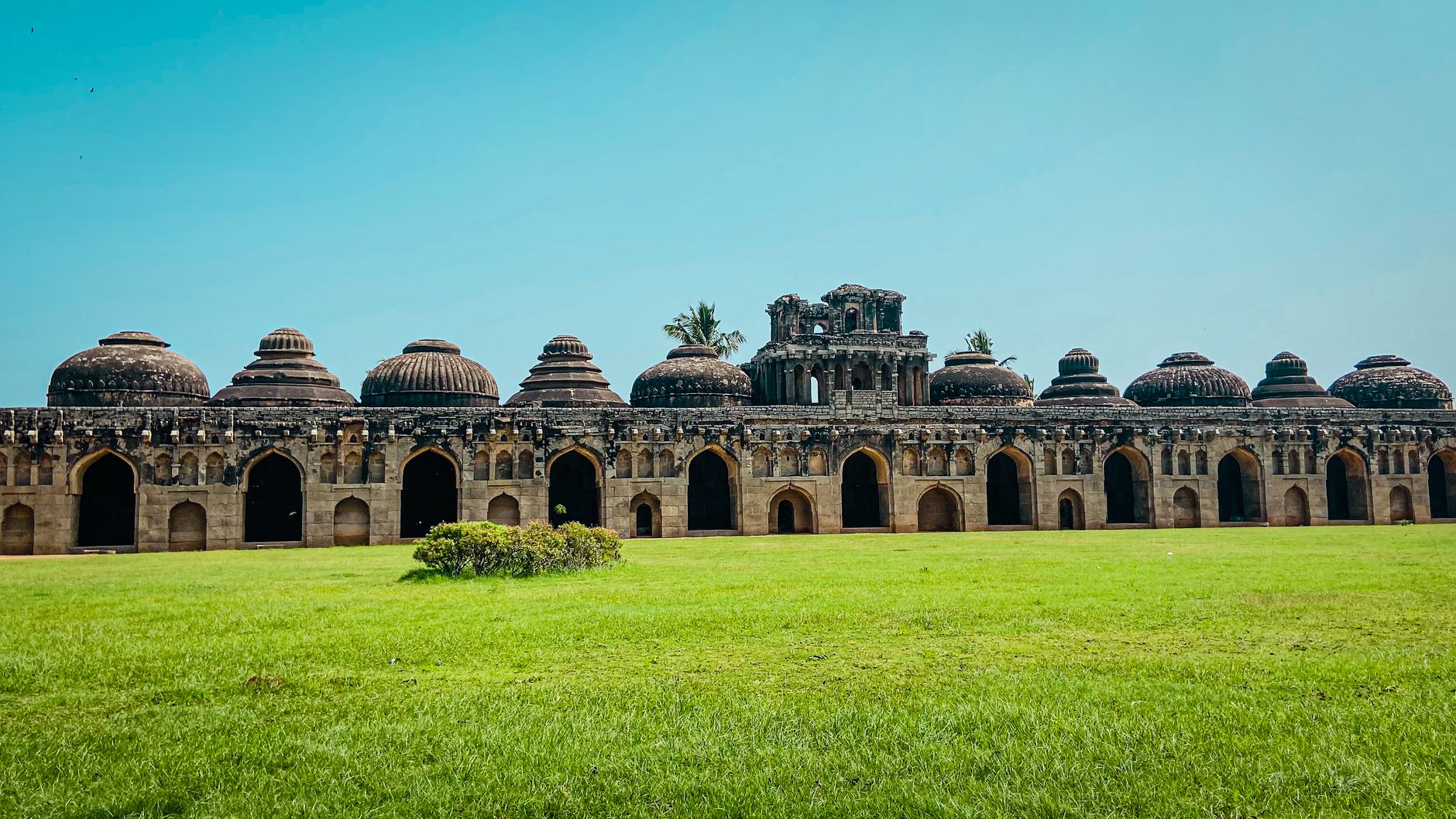
Badami, Aihole, and Pattadakal in north Karnataka are scorching in May but magnificent in February. Temperatures around 22–26°C let you explore ancient temples and cave systems without heat exhaustion. Hampi, too, is perfect—the archaeological sites benefit from clear light, and the Tungabhadra River still has water from the monsoon. February crowds are heavy but manageable.
Coastal areas
Mangaluru and the surrounding coast (Malpe, Surathkal) are warm and pleasant, around 24–28°C, without the inland heat. The sea is calm enough for water sports, and the beaches feel refreshing without being cold.
Wildlife
Nagarhole and Bandipur national parks are excellent in February. The dry season concentrates wildlife around remaining water sources, improving sighting chances. Temperatures are cool enough that game drives don't feel exhausting.
Festivals in February
February brings regional celebrations that add colour to a trip:
- Basava Jayanti (early February) celebrates the 12th-century social reformer Basaveshvara, observed with processions and temple gatherings, particularly in Kalyana (north Karnataka).
- Ugadi/Gudi Padwa (late February or early March, depending on lunar calendar) marks the Kannada New Year with house cleaning, new clothes, and family gatherings.
- Banashankari Fair at Banashankari Temple (Badami district) draws pilgrims and travellers.
If you're interested in cultural immersion, February festivals offer authentic experiences without being tourist traps.
Practical expectations for February travel
Accommodation and transport
February is peak season, so book accommodation 4–6 weeks ahead, especially near Coorg, Chikmagalur, and Hampi. Train and bus tickets for popular routes fill quickly. Prices are noticeably higher than, say, June, but availability is reliable. Hiring a car offers flexibility if you're touring multiple destinations.
Crowds
Expect busy hill stations and heritage sites. Weekends attract Bangalore day-trippers and families, so mid-week visits are quieter. Early mornings (before 8 a.m.) at popular spots like Mullayanagiri or Hampi beat the crowds.
What to pack
- Lightweight layers (shirt, thin jumper or fleece)
- Sturdy walking shoes (essential for trekking and temple exploration)
- Sun protection (hat, sunscreen, sunglasses)—the sun is strong at altitude
- Light trousers or joggers for early mornings and evenings
- Water bottle (carry at least 2 litres daily)
- Insect repellent (mosquitoes are rare in February but still present in lower elevations)
Things to be aware of
- Water availability on treks: Streams flow, but carry extra water as a backup, especially on longer hikes.
- Accommodation in remote areas: Coorg and Chikmagalur homestays are wonderful but sometimes basic; confirm amenities beforehand.
- Traffic in Bangalore: The city itself isn't a February destination for most, but if you're passing through, expect congested roads, especially during peak hours.
February vs other months: quick comparison
February vs December–January: Equally good for trekking and sightseeing, but February is quieter after the New Year rush and prices drop slightly by mid-February.
February vs March: March is still pleasant (24–32°C) but begins warming significantly. By late March, daytime heat can reach 35°C+ in plains areas, making afternoon activities uncomfortable.
February vs June–August (monsoon): Monsoon brings heavy rains, lush landscapes, and fewer tourists, but trekking is risky and many outdoor activities are limited. February is drier and more predictable.
February vs October–November: Post-monsoon (October–November) is beautiful but hotter during the day (28–32°C). February's cooler mornings and evenings make it superior for trekking.
Recommended itinerary framework
A typical February trip might look like:
- Days 1–3: Chikmagalur or Coorg for trekking and coffee plantation walks
- Days 4–5: Hampi for heritage exploration
- Days 6–7: Coastal break in Mangaluru or beach time
Alternatively, a focused 4–5 day trek through Kodachanadri or Mullayanagiri rewards those prioritising a single region.
Check Coorg and Chikmagalur pages for deeper regional planning.
FAQ
Q: Is February rainy in Karnataka? A: No. February is the driest month, with virtually zero rainfall across the state. Clear skies are common, especially in the mornings.
Q: What's the coldest it gets in Karnataka in February? A: In high-altitude areas (above 1,500 m), early mornings can drop to 8–12°C. Coastal and plains areas rarely fall below 15°C. Frost is extremely rare.
Q: Is February too crowded to visit Karnataka? A: Popular areas (Coorg, Chikmagalur, Hampi) are busy, but not unpleasantly so. Booking ahead and visiting mid-week helps. Less-known sites like Aihole or Banashankari Temple are less crowded.
Q: Should I visit a specific region if I'm coming in February? A: All regions are viable. Prioritise hill stations and treks if you want cool weather and trekking. Prioritise heritage sites (Hampi, Badami) if you prefer clarity for photography and exploration. Coastal areas are warm but breezy and less crowded than hill stations.