Best Time to Visit Bandipur: Month-by-Month
Bandipur's appeal shifts dramatically month to month. October to February brings cool weather and peak wildlife spotting—ideal for most visitors. May to September offers solitude and lush landscapes, though heat and rain limit outdoor activities. Choose based on whether you prioritise tiger sightings, comfort, or fewer crowds.
Bandipur National Park straddles the Karnataka-Tamil Nadu border and is part of the larger Nilgiri Biosphere Reserve. Timing your visit correctly makes the difference between encountering wildlife regularly and spending hours in empty jeeps, or between comfortable exploration and battling oppressive heat. Here's what each month delivers.
October to February: The Peak Season

October and November These are arguably Bandipur's finest months. Temperatures hover around 15–28°C, and the monsoon has just ended, so vegetation is lush but not waterlogged. Visibility is excellent for wildlife spotting. Sambar, gaur, wild boar, and occasionally tigers are active. October sees fewer crowds than December, making it ideal if you want good wildlife chances without peak-season prices.
Related: Best Time to Visit Belur: Month-by-Month Guide
See also: Karnataka in February: Weather, Where to Go and What to Expect
Related: Chikmagalur in Monsoon: What to Expect
Jungle Hut, Masinagudi (9.4/10 rating) and Whispering Willows - A Wandertrails Showcase (9.0/10) are excellent bases for extended exploration during this window.
December and January This is Bandipur's absolute peak: cool weather (10–25°C), clear skies, and maximum tiger activity. Domestic and international tourists converge, especially around New Year. Book accommodation months ahead. Jeep safaris fill quickly. Wildlife spotting rates are high, but so are prices—often 30–40% above shoulder-season rates. If you're flexible on budget and timing, November remains more relaxed while delivering similar experiences.
February Weather remains pleasant (12–28°C), though heat begins building mid-month. Wildlife activity remains good. Crowds thin slightly after January, and accommodation becomes easier to secure. Late February sees the first hints of summer, so early morning and late afternoon safaris become essential.
March to May: Hot Season
March Temperatures climb steadily (15–32°C). Vegetation becomes drier, improving wildlife visibility but reducing the lushness that makes Bandipur scenic. Tourist numbers drop noticeably. Wildlife congregates near water sources, sometimes improving sighting odds. This month suits budget travellers and those content with basic comfort.
April and May This is Bandipur's least comfortable period. Daytime temperatures exceed 35°C regularly, sometimes reaching 38°C. The park becomes extremely hot and dry. Afternoon safaris are punishing; most visitors stick to 5–6 a.m. departures. Tourist numbers are minimal, and many budget-tier accommodation options have reduced availability. Water sources shrink, concentrating wildlife, which can improve tiger sighting chances—but the heat makes exploration exhausting. Only consider these months if you have genuine heat tolerance and flexibility on timing.
June to September: Monsoon and Post-Monsoon
June and July The southwest monsoon brings heavy rainfall, often over 200 mm per month. Roads become slippery; visibility during safaris drops sharply. Park authorities sometimes restrict jeep movements. Wildlife becomes less predictable. However, the landscape transforms into vivid green, bird-watching improves, and you'll encounter almost no other tourists. Accommodation rates are minimal. Only visit if you're a keen birder or lepidopterist willing to trade wildlife diversity for solitude and botanic beauty.
August and September Rainfall continues but begins easing by late August. Leeches are active in vegetation. Visibility remains limited for safaris, though wildlife is still present. The park's water features are full, supporting resident populations. Tourist numbers remain very low. These months suit travellers prioritising tranquillity and endemic bird species over big-cat spotting. The Windflower Jungle Resorts & Spa Bandipur (8.3/10) offers comfortable refuge if weather becomes severe.
Month-by-Month Comparison Table
| Month | Temp. Range | Rainfall | Wildlife | Crowds | Best For |
|---|---|---|---|---|---|
| October | 15–28°C | Low | Excellent | Moderate | Balanced experience |
| November | 14–26°C | None | Excellent | Moderate–High | Wildlife + fewer crowds |
| December | 10–25°C | None | Excellent | Very High | Tiger spotting (premium prices) |
| January | 10–24°C | None | Excellent | Very High | Tiger spotting (very busy) |
| February | 12–28°C | Trace | Good | Moderate | Late winter, prices drop |
| March | 15–32°C | None | Good | Low | Budget travel |
| April | 18–35°C | None | Moderate | Very Low | Heat tolerance required |
| May | 22–38°C | Trace | Moderate | Very Low | Extreme heat |
| June | 18–28°C | 200+ mm | Moderate | Very Low | Birding, solitude |
| July | 17–26°C | 250+ mm | Moderate | Very Low | Birding, wet season |
| August | 17–26°C | 180+ mm | Moderate | Very Low | Birdwatching |
| September | 18–28°C | 120+ mm | Good | Very Low | End of monsoon |
Practical Recommendations
For first-time visitors prioritising wildlife: October or November. You'll see animals, enjoy comfortable conditions, and avoid peak crowds and prices.
For tiger enthusiasts with flexible budgets: December or January, but book 2–3 months ahead. Accept crowds as the trade-off.
For budget travellers: March or April. Bring heat-management strategies: stay hydrated, wear lightweight clothing, and accept that daytime exploration is limited.
For birdwatchers: June to September. Species diversity is high, and solitude is guaranteed. Expect wet conditions and plan accordingly.
For photographers seeking landscapes: October to November, when light is clear and vegetation is green post-monsoon. February is secondary, though heat-haze can affect image quality.
Booking Recommendations by Season
For peak-season months (December–January), book Jungle Hut, Masinagudi or LABDHI RESORTS STAG GROUPS NOT ALLOWED (9.2/10) at least 8–12 weeks ahead. Both offer excellent wildlife-focused packages and reliable jeep access.
For October–November shoulder season, Tiger Paw Resort (8.4/10) and Tranqville Resorts (8.0/10) offer good value without compromising comfort, and availability is typically better.
For off-season months, Avadale Masinagudi (8.8/10) and smaller properties like The Mangifera (9.0/10) reduce rates substantially and welcome guests seeking quieter experiences.
For more planning guidance, explore our Bandipur overview and best time to visit resources.
Frequently Asked Questions
What's the single best month for a first Bandipur visit? November. You'll have cool weather, excellent wildlife visibility, manageable crowds, and reasonable prices without December's peak-season premium. Vegetation is still lush post-monsoon, so the park looks its best.
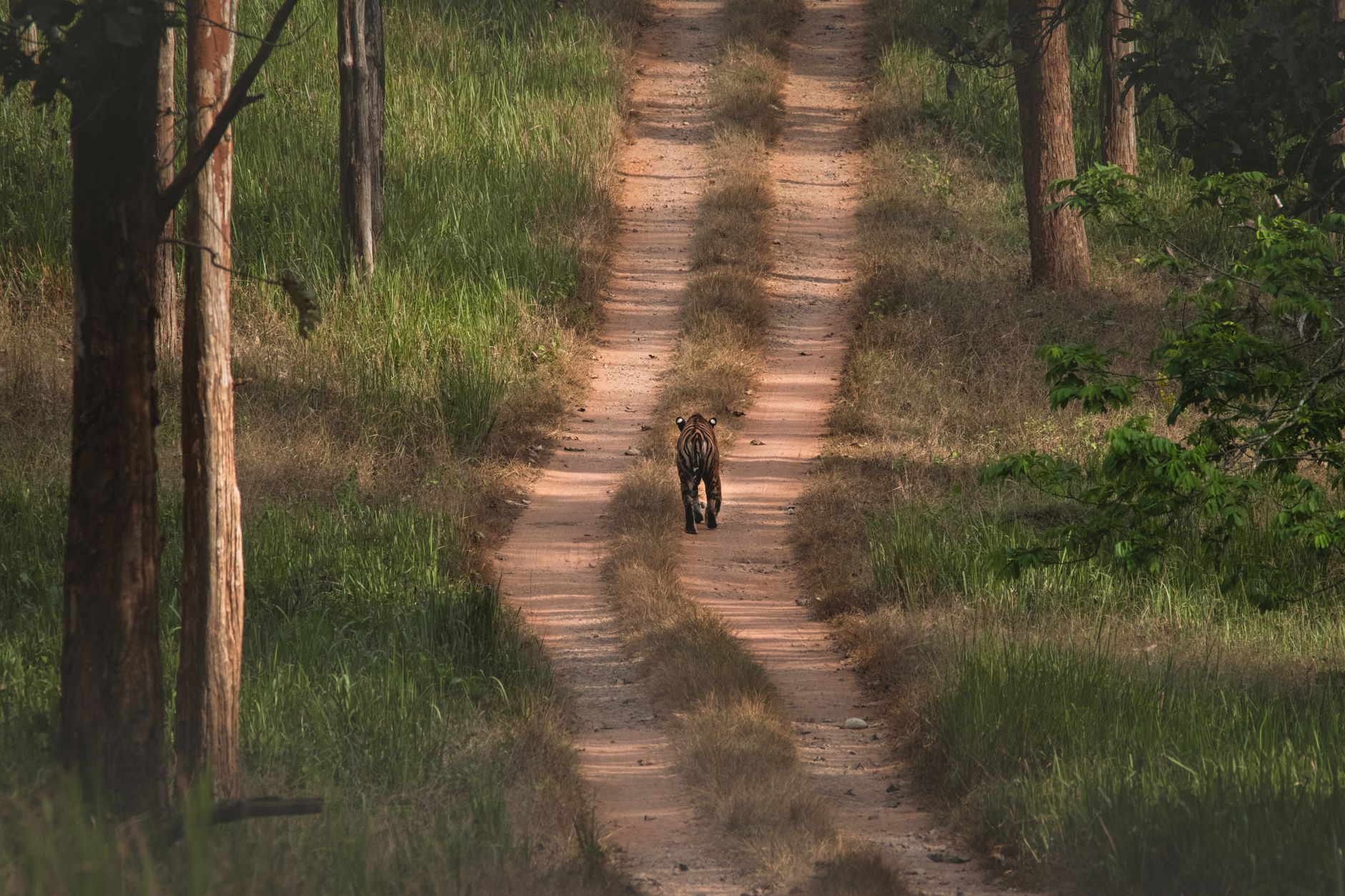
Can I see tigers in Bandipur, and when is spotting most likely? Tiger sightings are never guaranteed, but December to February offer the highest odds due to cool weather, lower water availability concentrating animals near remaining sources, and dedicated safari schedules. Success still depends on luck, guide expertise, and time invested (multiple dawn safaris). October and November also yield sightings regularly, with less crowding.
Is Bandipur worth visiting in summer (April–May)? Only if you have exceptional heat tolerance and are willing to sacrifice comfort for solitude and potentially concentrated wildlife near water holes. Most visitors should avoid these months; the discomfort rarely justifies marginal wildlife benefits.
Should I visit during monsoon (June–July)? Yes, if you're a dedicated birder or prefer quiet immersion in nature. Traditional safari experiences suffer due to poor visibility and restricted jeep movements, but avian and botanical diversity peaks. Pack rain gear and set realistic expectations about wildlife spotting.