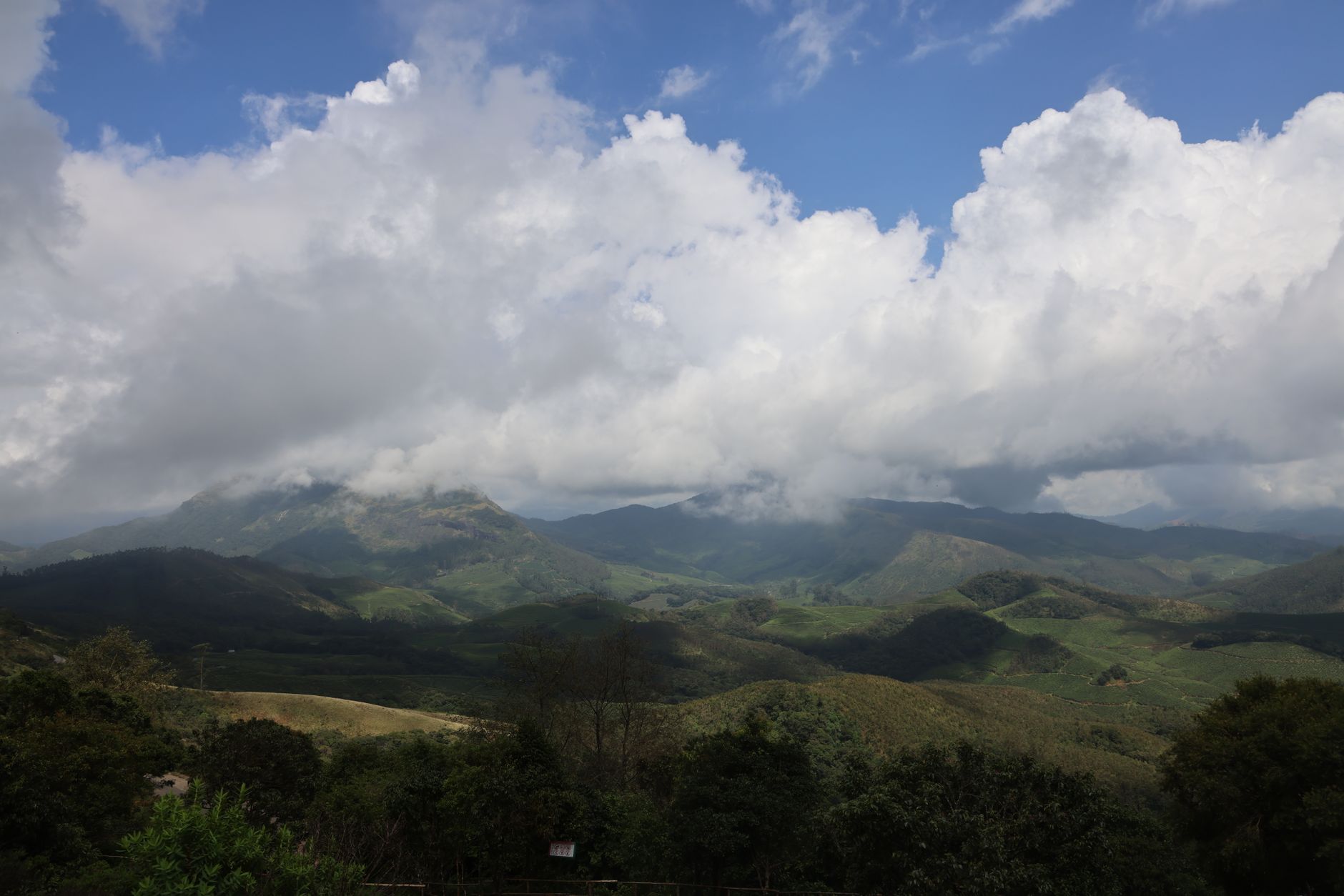
Chikmagalur in Monsoon: What to Expect
Monsoon transforms Chikmagalur's coffee plantations into a lush, rain-soaked paradise—but it's not for every traveller. From June through September, the Western Ghats receive torrential downpours that paint the estates vivid green, shroud the hills in mist, and swell the region's waterfalls. Roads become treacherous, some trails close, and the air grows thick and humid. Yet for those who embrace the drama, monsoon Chikmagalur offers solitude, dramatic photography, and an utterly rejuvenated landscape. Here's what you genuinely need to know.
When Does Monsoon Peak?
Southwest monsoon arrives in mid-June and intensifies through July and August. Peak rainfall: July–August, when you can expect 20–30 rainy days per month and daily downpours in the afternoon. September sees gradual retreat. June and early October offer lighter showers and still-green scenery—a sweet spot if you're flexible.
What's the Weather Actually Like?
Mornings often break clear and cool (around 15–18°C), mist clinging to the plantations like a soft blanket. By mid-morning, clouds thicken and grey out the sky. Afternoon rainfall is heavy and consistent—not drizzle, but genuine, soaking rain that lasts 2–4 hours. Humidity sits above 80% most days. Evenings cool sharply; evenings can feel almost chilly by 7 p.m. Your sensory experience: wet earth, the smell of rain on cardamom and coffee plants, the constant percussion of water on roof tiles, mist so thick you can't see the valley below.
Related: Bengaluru in Monsoon: What to Expect
See also: Karnataka in February: Weather, Where to Go and What to Expect
Related: Karnataka in July: Weather, Where to Go and What to Expect
Roads and Safety: The Honest Picture
National Highway 48 (Bangalore–Mangalore route) remains navigable but is slippery and prone to congestion. Avoid driving at night—visibility is poor and landslides can occur without warning. Many estate roads and minor routes become impassable; ask your hotel or guide which routes are safe on any given day. Do not attempt steep, unmaintained treks like those to Mullayyanagiri's summit during peak rain. Search and rescue operations are slower in monsoon. Stay alert, drive cautiously, and heed all local warnings.
Best Activities in Monsoon
Coffee estate walks: The most rewarding activity. Plants are freshly watered, the canopy is dense, and the air is cool. Many estates open their gates to tourists; ask your hotel to arrange a guided walk. You'll see the landscape at its most alive.
Waterfall visits: Hebbe Falls, Kallathigiri Falls, and others swell dramatically. They're dangerous in full spate (currents are fast, rocks slippery), so view from a safe distance and never swim.
Photography: Monsoon's moody light, mist, and emerald palette are a landscape photographer's dream. Visit early morning for the best visibility and colour.
Birdwatching: Resident and migratory birds thrive in the lush canopy. Bring binoculars and patience; guides are essential.
Indoor experiences: Coffee museums, homestays with cooking classes, and pottery workshops are perfect when rain keeps you indoors.
Short, safe treks: Gentle walks through plantations or to nearby viewpoints (avoid high-altitude summits) are possible on clear afternoons.
What to Skip or Avoid
- High-altitude treks (Mullayyanagiri, Chandra Hills) – landslide and visibility risks are serious.
- Driving at night – roads are hazardous.
- Swimming in swollen rivers or waterfalls.
- Expecting a relaxing beach-resort mood – monsoon is moody and demands respect.
Which Hotels Suit Monsoon Best?
Choose a property with character, good drainage, and warm hospitality—you may spend significant time indoors. Luxury option: Trivik Hotels & Resort, Chikmagalur (5 stars, 9.3/10) offers spa facilities, excellent in-house dining, and impeccable service when rain confines you. The Grand Retreat - Chikmagalur (5 stars, 8.8/10) is similarly refined and feels cosy in wet weather.
For mid-range comfort, Coffeeberry Hills Chikamagalur (4 stars, 8.9/10) and The Blossom Resort – Chikmagalur (4 stars, 8.9/10) both deliver excellent hospitality and reliable facilities without the price tag. Vismita County (4 stars, 8.9/10) offers a rural, immersive setting that's especially rewarding when rain isolates you in nature.
Budget travellers should consider Hotel Aadrika (3 stars, 8.7/10) or The Silver Sky Hotels and Resorts (3 stars, 9.0/10), both reliable and well-reviewed. Avoid properties without reliable hot water or drainage during monsoon—comfort matters when you're wet and cool.
Packing Essentials
- Waterproof jacket and trousers (not just an umbrella—you'll get wet).
- Waterproof bag or cover for phones and cameras.
- Sturdy, water-resistant hiking boots (trainers will be sodden and slippery).
- Layers: mornings are cool, afternoons humid; you'll adjust throughout the day.
- Quick-dry fabrics for the high humidity.
- Insect repellent: leeches and mosquitoes thrive in monsoon.
- Medications: antihistamines and anti-diarrhoeal tablets (water-borne bugs can upset digestion).
- A good book or entertainment: indoor days will happen.
Monsoon vs. Dry Season: The Trade-Off
Monsoon strengths: Lush, emerald landscape; fewer tourists; cooler temperatures; dramatic light; fully flowing waterfalls; rejuvenated wildlife habitat.
Monsoon weaknesses: Heavy rainfall; road hazards; limited high-altitude trekking; persistent humidity; higher chance of illness; some attractions may close.
Dry season (November–May) strengths: Clear skies; safe trekking; easier driving; fewer leeches; ideal for most activities.
Dry season weaknesses: Landscape is drier and less dramatic; estates are less vibrant; more tourists; hotter middays.
If you're after classic Chikmagalur beauty, dry season wins. If you crave intimacy, moody scenery, and don't mind planning around rain, monsoon is magical.
Is Monsoon Worth Visiting?
Yes—if you're flexible, cautious, and embrace the weather. Chikmagalur in monsoon feels like a secret world; coffee estates gleam under mist, waterfalls roar, and you'll likely have trails almost to yourself. It's not the time for ambitious summit treks or stress-free driving, but it is the time for quiet mornings in the plantations, cosy evenings at good hotels, and photography that captures the raw, alive face of the Western Ghats.
Read more about the best times to visit: Chikmagalur Best Time to Visit.
FAQ
Is it safe to drive in Chikmagalur during monsoon? Yes, on National Highway 48 and main roads, provided you drive slowly, carefully, and avoid night travel. Minor estate roads can become impassable; always ask locals which routes are passable on the day. Landslides, though infrequent, do occur—heed any local warnings.
Can I trek to Mullayyanagiri or other summits in monsoon? No. Steep routes are dangerous—visibility is poor, rock and earth are slippery, and landslides are a real risk. Stick to gentle plantation walks or valley-floor routes instead.
What's the best way to visit coffee estates in monsoon? Arrange a guided walk through your hotel. Early morning, after overnight rain, is ideal—the air is cool, the plants are glistening, and the mist is atmospheric. Wear waterproof footwear and bring a light rain jacket.
Which month is wettest? July and August receive the heaviest rainfall. June and September are lighter but still green. For the best balance of rain and trekking safety, aim for late September or early June.