Karnataka in July: Weather, Where to Go and What to Expect
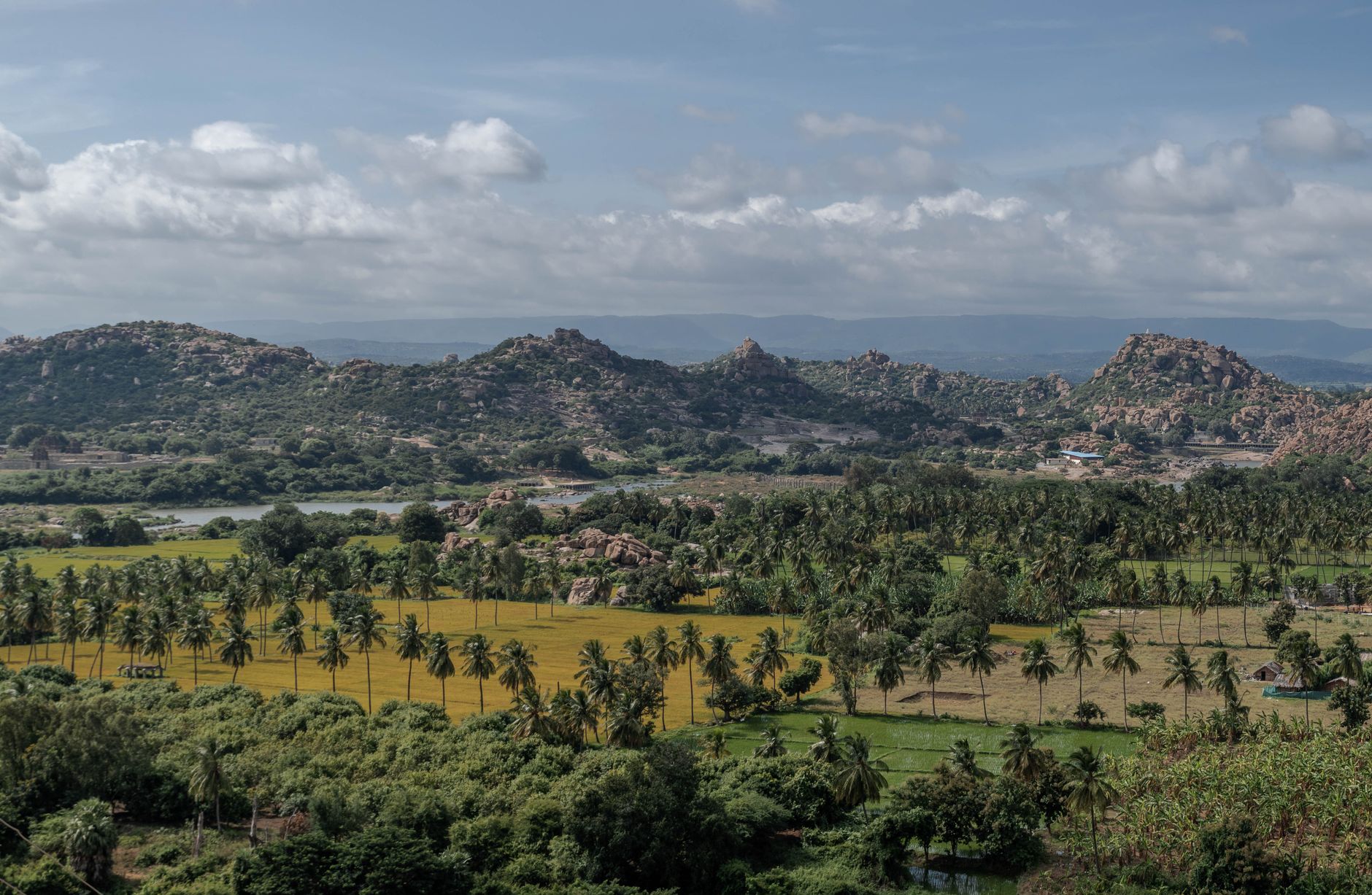
July is peak monsoon season in Karnataka, bringing heavy rainfall, dramatic skies, and refreshingly cool air across most of the state. If you love lush landscapes and don't mind wet conditions, this is genuinely magical. The coffee estates of Chikmagalur glow an almost unreal shade of green, waterfalls roar, and the air smells of wet earth and wet leaves. However, it's not ideal for all activities or all visitors—some roads become treacherous, outdoor plans require flexibility, and some regions see landslip risks.
What's the weather actually like in Karnataka in July?
July is unambiguously wet. Most of Karnataka receives 150–400 mm of rainfall across the month, with the Western Ghats and Kodagu (Coorg) region seeing the heaviest downpour. Days are typically warm (23–28 °C) but feel cooler because of cloud cover and humidity. Nights are pleasantly cool (15–20 °C), especially in hill stations. Mornings often start grey and humid; afternoon thunderstorms are nearly guaranteed. You'll notice the air feels heavy and moisture clings to everything—this is both the charm and the challenge of monsoon travel.
The Deccan Plateau (Bangalore, Mysore, Hassan) experiences moderate rainfall and remains broadly accessible, though flooding can affect lower-lying areas during heavy spells. Coastal Karnataka and the Western Ghats see the most intense weather; some smaller roads become impassable.
Related: Mysore in Monsoon: What to Expect
See also: Karnataka in February: Weather, Where to Go and What to Expect
Related: Bengaluru in Monsoon: What to Expect
Where should you actually go in July?
Hill stations: Lush but wet
Chikmagalur, Coorg (Kodagu), and Shimoga offer stunning monsoon scenery. Coffee and spice estates are at their most vibrant; if you enjoy trekking and don't mind mud, the trails through Chikmagalur are excellent. Waterfalls are thundering and full—Abbey Falls, Iruppu Falls, and Magod Falls are spectacular, though slippery rocks demand caution. Visibility for long-distance views is often poor due to cloud cover, so don't expect panoramic vistas.
The climate is cool and refreshing (18–22 °C), which is a genuine relief if you've been sweating through the heat of May and June. This is the best season for coffee estate walks and valley photography, if you're patient with the weather.
Bangalore and urban centres: Bearable and green
Bangalore receives moderate July rainfall and remains the most predictable destination. The city is cooler and greener than in summer months, though you'll need an umbrella and waterproof shoes. Parks and gardens are lush. If you're planning a city break with occasional day trips, July is reasonable—just expect some itineraries to shift due to rain.
Mysore: Manageable, culturally rewarding
Mysore gets less rain than the ghats but still sees steady July downpours. The Mysore Palace, temples, and markets are accessible; outdoor sightseeing takes planning. The Chamundi Hills trek can be slippery in places. The advantage is that accommodation is cheaper than in peak season, crowds are lighter, and the surrounding landscape—rice paddies and green fields—is genuinely beautiful under monsoon skies.
Wildlife sanctuaries: Proceed with caution
Bandipuŕ National Park, Nagarhole (Rajiv Gandhi National Park), and Kabini are theoretically active in July—the forest is thick, wildlife is mobile, and birds are vocal. However, heavy rain makes some safari roads impassable or dangerous. Visibility is often poor due to mist and dense vegetation. If wildlife spotting is your priority, July is not ideal; the dry season (November–May) is far superior. That said, if you're already in Karnataka and want to attempt a wildlife trip, early July tends to be slightly better than late July, when roads deteriorate most.
Practical tips for travelling in Karnataka in July
Transport and roads: Major highways (NH44, NH48) remain open, but smaller roads in the ghats and coastal areas can develop potholes, landslips, or temporary closures after heavy rain. If you're hiring a car, a driver experienced in monsoon conditions is wise. Driving at night is risky. Allow extra time for journeys.
Packing essentials: Waterproof jackets or ponchos (not just umbrellas), quick-dry clothing, waterproof bags for electronics, sturdy water-resistant shoes, and a first-aid kit with antiseptic are essential. Humidity is high, so moisture-wicking fabrics help.
Accommodation: Book ahead, especially near hill stations. Many budget guesthouses can feel damp; investing in a better-maintained property is worthwhile for comfort.
What to skip: Long multi-day treks in remote forests (landslip risk, poor visibility), coastal drives on smaller roads, and activities requiring perfect weather (rock climbing, desert jeep safaris—though deserts are north of Karnataka). High-altitude viewpoints often sit in cloud cover all day.
What works brilliantly: Walking through coffee estates in the early morning before rain arrives, visiting temples and indoor cultural sites, photography of monsoon landscapes, bird-watching from covered shelters, wellness retreats and ayurveda treatments (the cooling weather suits them), and simply sitting with tea watching the rain.
Should you go to Karnataka in July? An honest take
July suits you if you:
- Love rain and find dramatic weather scenery compelling
- Are flexible with outdoor plans
- Want lower prices and fewer tourists
- Enjoy walking, photography, or wellness activities that aren't weather-dependent
- Are staying mainly in urban centres or established hill stations
July is less suited if you:
- Need reliable, dry weather for outdoor activities
- Plan to undertake serious trekking or wilderness camping
- Want clear views of mountains and valleys
- Are travelling with young children or elderly relatives who need accessibility
- Prefer direct sunlight and blue skies
If you're comparing seasons, Karnataka's best time to visit is usually October–February, when the weather is stable, visibility is excellent, and temperatures are pleasant. June and July are the "local secret" months for those who enjoy monsoon landscape and don't mind adapting plans.
Seasonal comparison: July versus other months
July is wetter and cooler than May–June but not as pleasant as September–October. It offers more rainfall and fewer tourists than August, which is technically the tail-end of the monsoon but feels less dramatically wet. Compared to the dry season (November–May), July has richer green landscapes but far less predictability. For most first-time visitors, planning around October–February is smarter; July rewards flexible, weather-aware travellers who see monsoon beauty as a feature, not a drawback.
FAQ
Can you trek in Karnataka in July? Yes, but carefully. Hill-station walks and coffee estate trails work well; longer forest treks carry landslip and visibility risks. Start early, avoid walking alone, and check local conditions first.
Is monsoon good for wildlife spotting in Karnataka? Not ideally. Dense vegetation and poor visibility make wildlife harder to spot than in the dry season (November–May). Roads in sanctuaries can be impassable after heavy rain.
What's the cheapest time to visit Karnataka? July–September offer lower prices because it's monsoon season. Accommodation, tours, and some transport are cheaper than October–May, though fewer activities are reliably available.
Do flights and trains run normally in July? Yes. Air and rail transport operate normally. Road travel may experience delays due to weather, but main highways stay open.