Mysore in Monsoon: What to Expect
Mysore in monsoon is lush, quieter, and significantly cheaper than peak season—but rain dominates daily life. Between June and September, the city receives 60–80 mm of rainfall weekly, turning gardens emerald and streets slick. Humidity hovers around 85%, making midday stifling. If you can plan indoor activities and embrace the wet, monsoon Mysore offers genuine solitude and the palace looking its most majestic beneath brooding skies.
When exactly does monsoon hit Mysore?
The Southwest Monsoon typically arrives in early June and retreats by late September. Peak rainfall occurs July–August, when 2–3 afternoon downpours per week are standard. June is lighter (60–70 mm weekly) and September tapers off gradually. August is the wettest and most humid month; June is the best compromise if you're flexible.
What's the weather actually like day-to-day?
Expect afternoon thunderstorms—usually between 2 and 6 p.m.—that arrive suddenly and drench the city within 20 minutes. Mornings are often clear and pleasantly cool (around 20–22 °C), making 7–10 a.m. ideal for sightseeing. After rain, the air becomes heavy and close. Humidity makes walking uncomfortable beyond early morning or late evening. Nights are mild but damp; mould can develop on luggage and leather. A good waterproof bag and quick-dry clothing are non-negotiable.
Related: Karnataka in May: Weather, Where to Go and What to Expect
See also: Karnataka in February: Weather, Where to Go and What to Expect
Related: Chikmagalur in Monsoon: What to Expect
Palace, gardens, and indoor attractions—which still work?
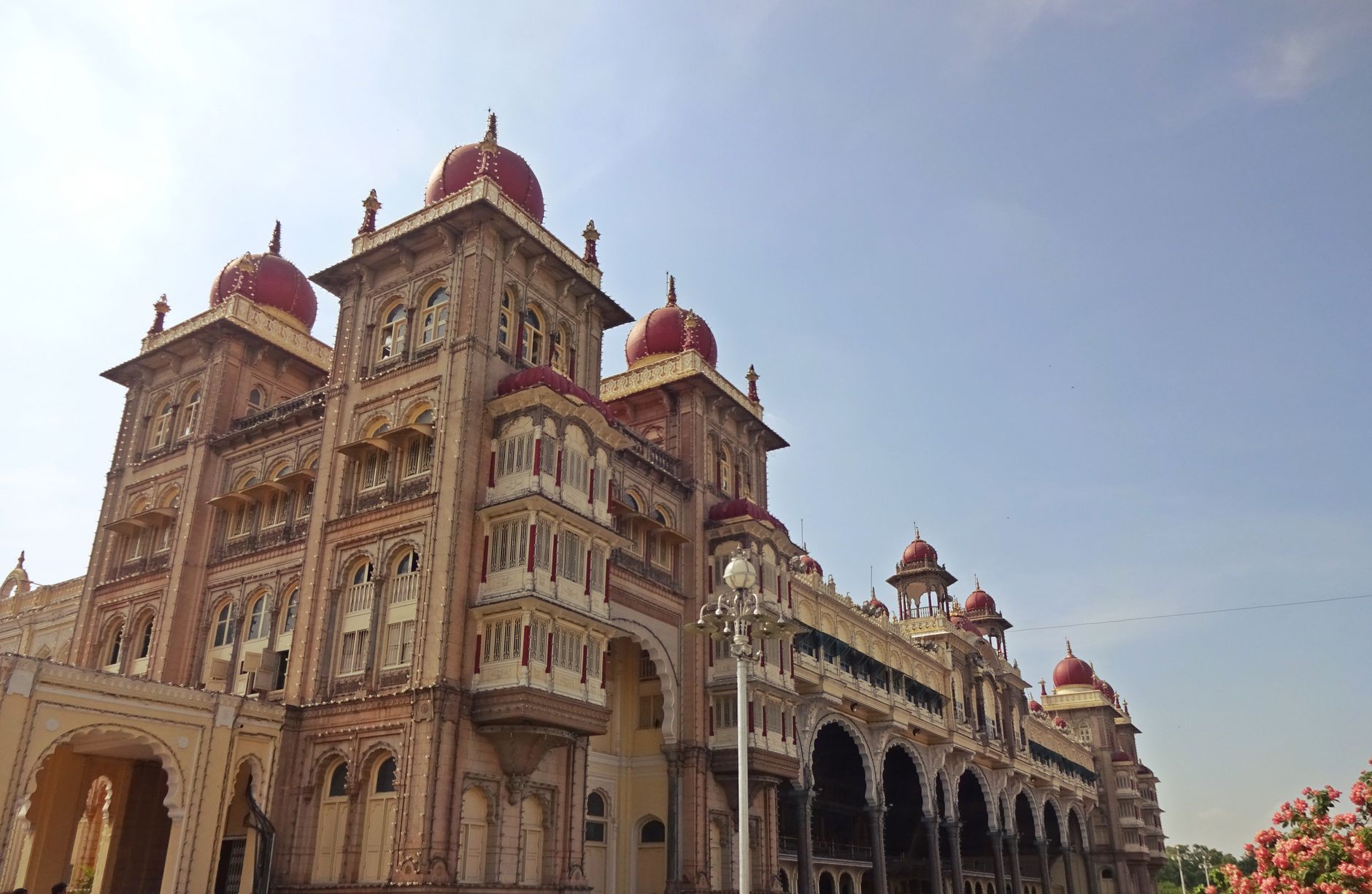
Mysore Palace remains stunning in monsoon—the pale sandstone glows against dark clouds, and wet courtyards reflect light beautifully. Visit between 10 a.m. and noon before afternoon rain. The palace interior is fully enclosed, so you won't get wet inside.
Brindavan Gardens become staggeringly green; morning mist clings to the pathways, and the fountains run high. Visit early before humidity peaks. Chamundi Hill is slippery and risky during heavy rain; avoid after 1 p.m. or skip it entirely if storms are forecast.
Indoor sanctuaries include the Railway Museum, various temples (which are less crowded), and the Mysore Zoo if you visit early. Shopping arcades and the Devaraja Market remain active; the market's covered sections are actually more pleasant in monsoon.
Are there festivals or events during monsoon?
Dasara, Mysore's grandest festival, falls in September/October and spans the tail end of monsoon into early dry season. If it coincides during your visit, expect decoration, nightly illuminations, and cultural events—though some processions may be postponed if rain is heavy. Janmashtami (August) brings temple celebrations. Both draw crowds and raise prices temporarily, offsetting the monsoon discount.
Price and crowd comparison
Monsoon is undoubtedly the cheapest season. Hotel rates drop 30–50% compared to October–March. Radisson Blu Plaza Hotel Mysore and Hotel Southern Star Mysore offer premium comfort without peak-season premiums. Budget travellers find excellent value at Parklane Hotel or Livaana. Streets are peaceful; queues at the palace are minimal. If solitude and savings are priorities, monsoon delivers.
Which monsoon month is best: June, July, August, or September?
June offers the lightest rainfall (60–70 mm weekly) and clearest mornings. Humidity is present but not oppressive. If flexibility exists, book June.
July is wetter but atmospheric—lush greenery, fewer tourists, rock-bottom prices. Afternoon rain is near-certain; plan accordingly.
August is the absolute wettest and muggiest. Sightseeing becomes genuinely difficult. Only visit if unavoidable, and stay in well-cooled accommodation like Fortune JP Palace, Mysore - Member ITC Hotels' Group.
September begins drying out mid-month; rainfall reduces to 40–50 mm weekly. Early September still carries monsoon characteristics; late September feels transitional and is more pleasant for walking.
Practical packing and preparation
- Waterproof bag or daypack cover: Essential. Electronics and valuables must stay dry.
- Lightweight, quick-dry clothing: Cotton absorbs moisture and dries slowly in humidity. Synthetics are better.
- Waterproof shoes or sandals: Puddles and slick streets are constant.
- Umbrella: A compact one; heavy rain can defeat even sturdy umbrellas.
- Anti-fungal spray: Humidity encourages fungal issues. Powder or spray keeps skin dry.
- Medications: Stomach upset from water and humidity is common. Carry digestive aids.
- Dehumidifier bags or silica gel: Pack extras to protect belongings in your room.
Health considerations
Monsoon Mysore carries elevated risks of water-borne illnesses, dengue, and fungal infections. Drink bottled water exclusively. Avoid street food unless it's freshly cooked. Malaria is low risk in Mysore itself but possible; consult a travel clinic. Ensure dengue awareness (mosquito net, insect repellent with DEET). Visit a reliable pharmacy if any fever or upset develops—don't self-medicate.
Should you visit Mysore in monsoon?
Yes, if you:
- Prefer solitude and quiet streets over crowds.
- Have a tight budget and value savings over perfect weather.
- Enjoy lush, green landscapes and atmospheric light.
- Can stay flexible and pivot indoor activities when rain hits.
- Don't mind humidity and are prepared to limit daytime walking.
No, if you:
- Have limited time and want maximum sightseeing hours.
- Are uncomfortable in high humidity or dislike rain.
- Have mobility issues (wet paths are hazardous).
- Are travelling with young children who need consistent activity options.
For a curated monsoon itinerary and more insights into other seasons, explore Mysore's best time to visit.
FAQs
Q: Is it safe to travel during monsoon? Yes, with caution. Roads remain open, and flooding is rare in central Mysore. Landslides are not a concern here. Check weather forecasts before day trips to surrounding areas. Inform your hotel of your plans.
Q: Will I get soaked sightseeing? Likely, unless you plan meticulously. Aim for early morning (7–11 a.m.) before rain arrives. Carry a light rain jacket, not just an umbrella. Some attractions like the palace interior are fully sheltered; others like gardens and hills are exposed.
Q: Are hotels and restaurants still open? Completely. Monsoon is a normal season in Mysore, not a closure period. All major hotels, restaurants, and attractions operate year-round. Booking accommodation with strong air-conditioning and good drainage (verify with the hotel) is wise.
Q: How much cheaper is monsoon travel? Typically 30–50% cheaper than October–March. A five-star hotel like Grand Mercure Mysore- An AccorHotels Brand may cost ₹4,000–5,000 per night instead of ₹7,000–9,000. Budget options like Aishwarya Residency drop from ₹1,500 to ₹800–1,000.