Karnataka in May: Weather, Where to Go and What to Expect
May is Karnataka's hottest month, with temperatures often exceeding 35°C across the plains. The pre-monsoon heat is intense, but hill stations offer respite. This is excellent timing for estate tourism in the Western Ghats, where cooler temperatures and lush greenery make for memorable experiences. The season is quieter and more intimate than peak winter months.
What's the weather actually like in May?
Expect dry heat across coastal and interior regions. Bangalore and Mysore experience temperatures between 32–37°C, with humidity building as June approaches. Rainfall is rare but occasional pre-monsoon thunderstorms can occur, particularly in the evenings. These brief showers bring temporary relief but don't interrupt travel plans.
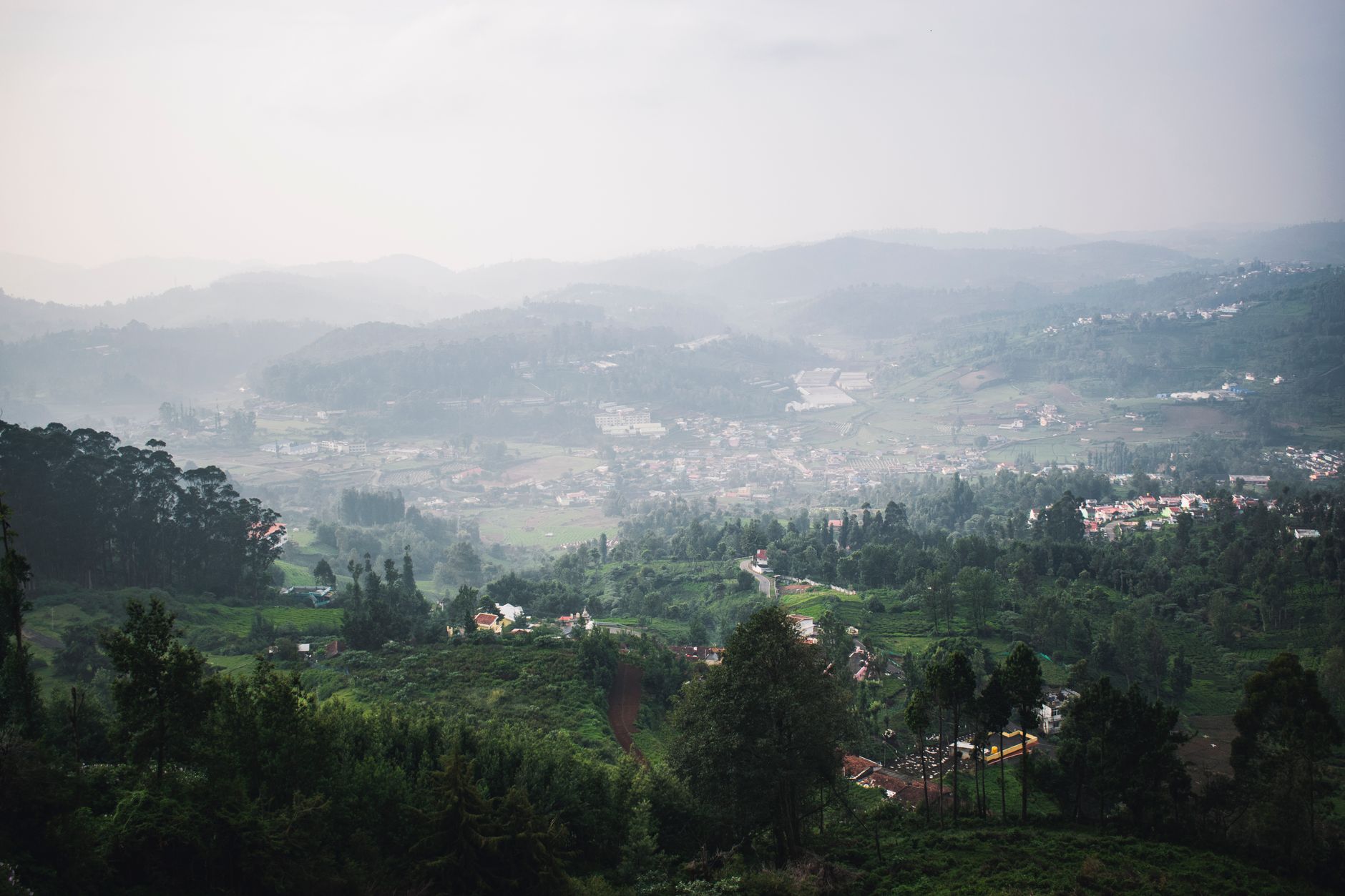
In the Western Ghats—Coorg, Chikmagalur, and the hill stations—conditions are markedly different. Elevations of 1,000–1,500 metres mean temperatures hover between 20–28°C, with pleasant mornings and cool evenings. The air feels crisp and the landscape begins its transition towards the monsoon's verdancy. Morning mists and afternoon cloud cover are common, creating atmospheric conditions perfect for walking forest trails and visiting working estates.
Related: Mysore in Monsoon: What to Expect
See also: Karnataka in February: Weather, Where to Go and What to Expect
Related: Bengaluru in Monsoon: What to Expect
Which regions should I prioritise in May?
Hill stations and Western Ghats estates
This is the ideal season for Coorg, Chikmagalur, and Kodagu. The temperature differential alone—10–15°C cooler than the plains—makes these destinations genuinely comfortable for outdoor activity. Coffee and spice estates are at their most visually captivating. New growth on the bushes is vibrant; the landscape has that rich, complex greenness that photographs beautifully. Walking through estates at this time feels intimate; fewer visitors mean you can linger with guides, ask detailed questions about cultivation, and experience the quiet rhythm of plantation life.
If you're considering trekking, May is viable but marginal. Forest trails are dry underfoot, which is good for navigation, but the canopy hasn't fully leafed yet and water sources may be depleted. Early morning starts are essential to avoid midday heat. The reward is solitude: May sees almost no trekking traffic compared to October–December.
Coastal regions and cities
Mangalore, Gokarna, and Udupi are hot and humid by May, with temperatures regularly touching 34–36°C and humidity near 80%. The sea remains warm and swimmable, but the experience is less comfortable than the dry season. If you visit coastal areas, choose early mornings and late afternoons, and expect restaurants and guesthouses to be quieter—a genuine advantage if you dislike crowds. Swimming is perfectly safe; the monsoon doesn't arrive until June.
Mysore and Bangalore are genuinely unpleasant in May. Yes, the palaces and gardens remain stunning, but the heat is relentless and daytime outdoor sightseeing becomes an exercise in endurance rather than pleasure. If you must visit cities, shift your schedule: start walking before 7 a.m., rest during midday, and resume activity at 4 p.m. onwards.
Specific recommendations for May visitors
Choose Coorg or Chikmagalur for estates and forests. The cooler temperatures mean you'll actually enjoy outdoor activity. Stay 4–5 days to walk unhurried through plantations, visit working estates, and explore nearby forest reserves. Visit our Coorg page for detailed guides and Chikmagalur page for options.
Skip the plains. Unless you have specific business in Bangalore or Mysore, the heat makes sightseeing exhausting rather than pleasurable. The best time to visit cities is November to February.
Consider a hybrid itinerary. Spend 2–3 days in a hill station, then shift to one coastal location if beaches genuinely appeal to you. This provides thermal variation and prevents monotony.
What practical challenges should I anticipate?
Water availability
Reservoirs and natural water sources can be depleted by May, particularly in the interior plateaus. Hotels and guesthouses have adequate supplies, but don't assume village wells or roadside streams will be flowing. Carry bottled water, particularly if trekking. In hill stations, water is rarely problematic; they receive more rainfall than surrounding areas.
Midday activity
Between 11 a.m. and 4 p.m., outdoor activity is genuinely uncomfortable. Your schedule will need restructuring: early starts, long midday breaks (ideally at accommodation with good air-conditioning), and evening exploration. This isn't a minor inconvenience; it significantly shapes your day.
Accommodation booking
May is low season, which means rates drop noticeably compared to October–March. This is an excellent time to negotiate weekly rates or book premium properties at reasonable prices. Availability is generally good, and you'll experience accommodations without the crowding of peak season. Conversely, some smaller guesthouses reduce staff or close briefly for maintenance; confirm ahead, especially in remote plantation areas.
Pre-monsoon thunderstorms
Violent afternoon thunderstorms occur occasionally, lasting 30–90 minutes. They're brief but intense: heavy rain, wind, and occasionally hail. Power cuts are possible but usually brief. Rather than a problem, these storms are genuinely atmospheric—the smell of rain on hot earth, the sudden cool air, the dramatic sky. If you're trekking, seek shelter immediately and wait for the storm to pass.
What should I pack?
- Lightweight, loose cotton or linen clothing. Synthetic fabrics trap heat. White or pale colours reflect sunlight.
- High-SPF sunscreen and a wide-brimmed hat. The sun is intense, even in hill stations where it feels cooler.
- A light waterproof jacket or compact umbrella. For occasional showers and the pre-monsoon storms.
- Sturdy walking shoes if visiting estates or forests. Pathways can be rough after occasional rains.
- A good book and patience. Midday rest periods are genuine downtime.
Is May really the best time to visit?
It depends on your priorities. If you want crowded temples, perfect beach weather, and lively tourist atmospheres, no—come November to February. If you want cooler conditions, lower prices, intimate experiences on estates, solitude on forest trails, and the visual richness of approaching monsoon, May is genuinely excellent. The heat limits your daily activity window, but that's not necessarily a disadvantage; it forces a slower pace and creates space for deeper engagement with place.
FAQ
Q: Is it too hot to visit Bangalore in May? A: Yes. Temperatures exceed 35°C regularly, and humidity builds towards month's end. If you must visit, arrive early May rather than late May, and shift activities to early morning and evening. November to February is far more comfortable.
Q: Will I struggle with heat in hill stations like Coorg? A: Unlikely. Temperatures in Coorg typically range 20–28°C in May—significantly cooler than the plains. It's genuinely pleasant for walking and outdoor activity. Some mornings feel genuinely cool.
Q: Are roads safe to travel if thunderstorms occur? A: Yes. Pre-monsoon storms are brief and intense but they don't affect road safety significantly. Wait out severe storms in a café or shelter; they pass within an hour. Roads can be wet afterwards, so reduce speed.
Q: Will I see wildlife on forest treks in May? A: Visibility is lower than October–December because foliage is less dense. Water sources may be depleted, so animals congregate elsewhere. Early morning and dusk offer the best chance, but sightings are less predictable than cooler months.