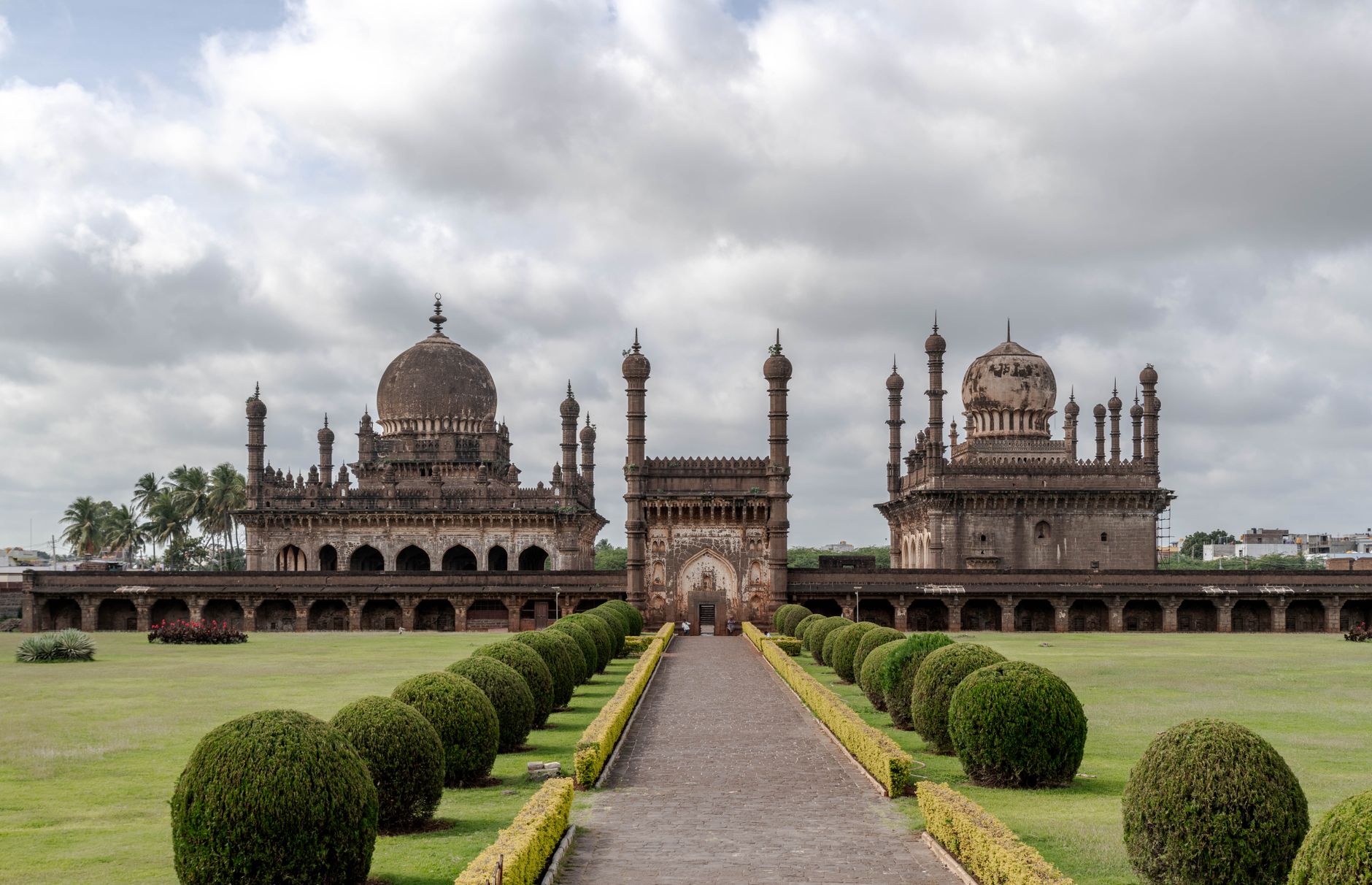
Best Time to Visit Bidar: Month-by-Month
Bidar is best visited October to February when temperatures sit between 15–28°C and skies stay mostly clear. November to January is peak season—expect crowds at forts and hotels. April to June is scorching (40°C+) and quiet. July to September brings heavy monsoon rain. Book accommodation 2–3 weeks ahead during Diwali and December.
October: Start of the season
Temperature: 24–32°C. Humidity drops fast after monsoon. Rainfall: 50–80 mm (tail end of rains).
October marks Bidar's transition from wet to dry. Morning runs can still be damp, but afternoons clear up. Fort exploration is comfortable after 9am. Hotel rates jump 15–20% mid-October as families plan post-monsoon breaks. Mastiff Select Bidar (4-star, 9.1/10) has good availability early month.
Related: Best Time to Visit Sirsi: Month-by-Month Guide
See also: Karnataka in February: Weather, Where to Go and What to Expect
Related: Best Time to Visit Bengaluru: Month-by-Month Guide
Diwali falls between October and November—expect bookings to fill 3–4 weeks in advance.
November: Peak season
Temperature: 18–30°C. Humidity: low. Rainfall: negligible.
This is Bidar's sweetspot. Clear mornings, cool evenings (sweater weather by 6pm), and dry roads mean smooth sightseeing. The Bahmani Fort, Bidar Citadel, and Ashtur tomb circuit becomes fully accessible without mud slips. Hotel tariffs peak here—expect 40–60% markup over lean months. Book now if not already done. Mastiff Select Bidar (9.1/10) and Vintage Retreat Resort (8.7/10) book out 4–6 weeks early. Budget travellers should lock BlackBuck Resort-Jungle Lodges (8.9/10, 3-star) in early September.
Crowds: moderate to high on weekends.
December: High season continues
Temperature: 15–28°C. Clear skies. Humidity: very low.
December sustains November's weather. Early month is busier (school holidays start mid-month in India). Evenings drop to 12–14°C—bring a light jacket. New Year's bookings fill by November 15th. Hotels charge peak rates. If you haven't booked by November, expect Mastiff Select Bidar or Palette Hotel by CheckIn Bidar (7.5/10) to be full; pivot to Hotel The Crown Town (9.7/10, though only 5 reviews) or mid-range options.
Perfect for outdoor photography—low glare, long morning shadows.
January: Shoulder of the season
Temperature: 12–26°C. Clear skies. Rainfall: none.
January is dry and cool but less crowded than December. Mornings drop to 8–10°C in some years—thermal wear advised for early-morning site visits. Hotels drop rates 10–15% post-New Year. Fewer families travel, so weekday rates are genuinely cheaper. Mid-range hotels like Hotel Mayura (7.8/10) offer good value.
Republic Day (26 January) causes a weekend spike; book 2 weeks ahead if visiting that week.
February: End of cool season
Temperature: 14–29°C. Rainfall: trace. Humidity: starting to climb.
February is still dry and mild but temperatures inch upward. Early month equals January pricing and crowds; late month (after 15th) sees fewer bookings. A solid budget month. Hotel prices drop 15–25% from peak. Winds pick up—good for trekking around Bidar's outskirts, harder for photography.
Sunset viewing is still reliable.
March: Transition month
Temperature: 18–35°C. Rainfall: negligible. Humidity: 35–45%.
March is the tail of dry season but warming fast. Late afternoons feel hot by 2pm. Early March is fine; by late month, heat is noticeable (32–35°C by noon). Hotels are quiet and cheap (30% discount on peak rates). Only visit if you like heat or are tracking specific festivals (Holi falls February–March).
UV index peaks—sunscreen essential.
April–June: Extreme heat
Temperature: 32–42°C. Rainfall: none to minimal (June gets pre-monsoon showers). Humidity: low but irrelevant due to heat.
Bidar is nearly empty May–June. Daytime exploration is punishing—forts are shadeless and exposed. Fort walls radiate heat at dusk. Hotels slash rates 50–70% but water supply can be strained by June. Only visit if:
- You have zero flexibility on dates.
- You're specifically researching under extreme conditions.
- Heat doesn't affect you (rare).
Instead, plan a hill-station side trip (Ooty, 450 km, 8 hours) if stuck in this window.
July–September: Monsoon
Temperature: 20–28°C. Rainfall: 200–400 mm per month (July–August peak). Humidity: 65–80%.
Monsoon transforms Bidar's landscape into lush green but makes sightseeing a gamble. Roads to outlying forts (like Aihole, 100 km) can become slippery. Fort steps are wet and dangerous. Indoor sites like tombs and mosques are accessible but humid. Booking is easy (20–40% off); few tourists visit.
Visit only if you love monsoon or are doing a longer regional trip. Water logging in the city occurs in September.
Which month should you actually pick?
Best overall: November or early December. Weather perfect, forts accessible, though pricey.
Best value: January after 5th or late February. Cool, dry, fewer crowds, hotels 20–40% cheaper.
Best for solitude: March or September. Heat or rain keeps crowds minimal.
Avoid: May, June, July. Heat or rain makes exploration miserable.
Quick booking tips
- Peak season (Nov–Dec): Book hotels and guides 4–6 weeks ahead.
- January: 2–3 weeks out is safe; rates drop mid-month.
- February: Book 1–2 weeks ahead; last-minute deals emerge.
- Off-season (March, April, Sept): Same-week bookings often work; big discounts.
How long should you spend in Bidar?
Two to three days covers the main forts and tombs without rush. A fourth day is ideal if visiting Aihole or Pattadakal (day trip, 2.5 hours each way). In monsoon, add a buffer day for weather delays.
FAQ
Is November or December better to visit Bidar? Both are excellent. November is slightly warmer (18–30°C), December slightly cooler (15–28°C). November feels less crowded early month; December is busier throughout. Choose November if you prefer warmth, December if cool evenings appeal and you've booked ahead.
Can I visit Bidar in May? Yes, but expect 38–42°C midday heat, shadeless forts, and strained water supply. Hotels offer 50–70% discounts. Only viable if dates are rigid and heat tolerance is high. Consider a cooler region instead.
What's the difference between October and November weather? October: 24–32°C, tail-end monsoon showers (50–80 mm), humidity still moderate. November: 18–30°C, completely dry, low humidity, sweater-worthy evenings. November is clearer; October still has occasional wet roads.
Should I book hotels during monsoon? No, unless you specifically want to see Bidar in green landscapes. Roadways to outlying forts get slippery, and indoor sites (tombs) are humid. January–February offers better value and reliable weather at lower prices.