Adventure Resorts in Coorg: Where to Stay for Thrills and Nature
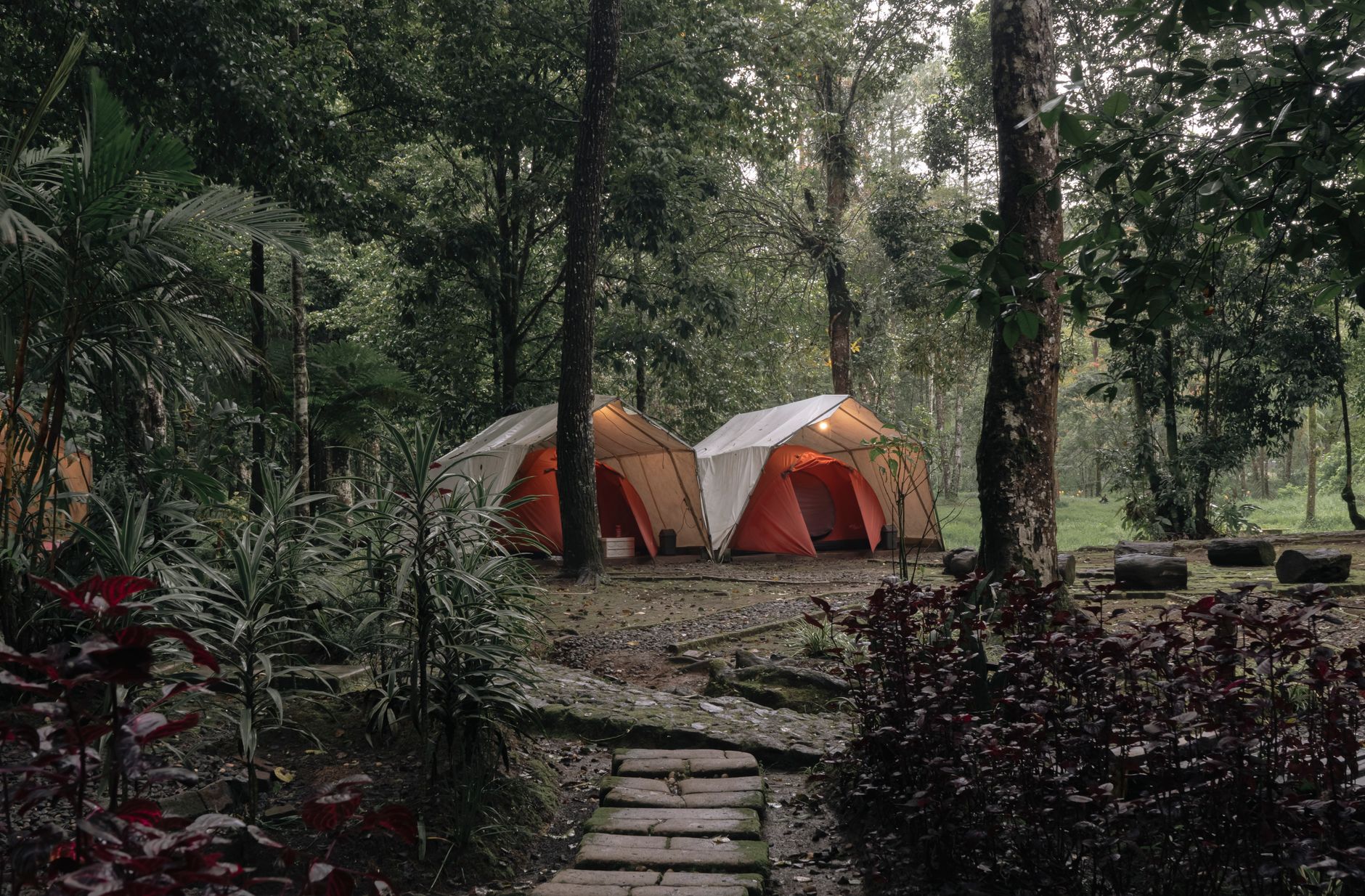
Coorg's adventure resorts sit at the intersection of comfort and adrenaline, offering visitors a chance to tackle the region's challenging terrain without sacrificing a proper meal and comfortable bed at day's end. Rather than cramped dorm hostels or generic city hotels, these properties are deliberately sited near rivers, forests, and established trekking routes, with many offering in-house activity coordination and expert guides. The best ones understand that adventure accommodation isn't about luxury amenities so much as genuine engagement with the landscape—though certainly a hot shower and decent coffee are welcome after a difficult climb.
What makes Coorg's adventure resorts distinctive?
Unlike resorts in flatter regions that add adventure as an afterthought, Coorg's accommodation naturally integrates outdoor activity into daily life. The region's topography—steep valleys, reliable water sources, and dense forests—means adventure infrastructure is genuinely necessary rather than artificially constructed. Resorts typically employ local guides who know specific routes, seasonal conditions, and wildlife patterns. Many properties sit on or near coffee plantations, so you're often waking to misty hillsides and the sound of morning birdsong rather than traffic noise.
The experience differs significantly from coastal adventure resorts or hill-station tourism. Coorg's resorts tend toward smaller scale, family-run operations or boutique properties rather than sprawling complexes. Staff usually know guests' names and activity preferences by day two. Food typically emphasises local produce, Kodava cuisine (the indigenous community's rich, meat-forward cooking), and plenty of rice and curry rather than fusion attempts. Internet connectivity varies deliberately—some resorts maintain strong signals for those who need them; others consciously limit connectivity as part of the appeal.
Related: Best Areas to Stay in Mysore: Gokulam vs City Centre vs Palace Area
Related: Mukka Mangalore: Guide to Karnataka's Coastal Confluence Point
Related: Hill View Resort in Coorg: What to Expect & Practical Visiting Guide
Which activities distinguish different resort types?
Trekking-focused resorts offer guided walks ranging from two-hour forest walks to multi-day routes to peaks like Brahmagiri or Tadiandamol. These properties usually have experienced Sherpa or porter relationships and maintain detailed weather records. They cater to both complete beginners and experienced mountaineers, adjusting routes based on fitness levels. Expect to leave early (often 5am) to catch sunrise views and avoid afternoon heat.
River and water-based resorts concentrate on activity near streams and waterfalls. Abseiling down waterfalls, river-crossing expeditions, coracle rides on the Barapole River, and white-water kayaking occupy the schedule. These properties maintain safety equipment meticulously and employ certified water safety instructors. The water is cold even in summer—they typically provide wetsuits—and currents vary with rainfall patterns, so seasonality matters significantly.
Coffee plantation-integrated resorts blur the line between tourism and genuine agricultural engagement. You'll participate in harvesting (during September-November season), learn processing methods, and understand the environmental challenges of monoculture farming. These resorts often incorporate trekking across private estate lands and partnerships with neighbouring organic farms.
Wildlife and bird-watching resorts position themselves near Pushpagiri Wildlife Sanctuary or Brahmagiri Wildlife Sanctuary. Early morning bird-watching walks, occasional leopard or elephant tracking opportunities (strictly observational), and naturalist-led forest walks form the core activities. These are quieter, slower-paced experiences suited to photographers and patience-having observers rather than adrenaline-seekers.
Eco-lodges emphasising sustainability focus on minimal-impact stays with activities including organic farming participation, water conservation education, and forest restoration work alongside recreational trekking. They often operate on generator or solar power, use rainwater harvesting, and employ strict waste management. The philosophy appeals to visitors interested in environmental contribution, though comfort levels vary—some are genuinely spartan.
How do seasons affect activity availability?
Months from June through September bring heavy rainfall, swelling rivers for water activities and deepening forest greenery. Many trekking routes become slippery and challenging—adventure resorts still operate but adjust difficulty assessments and sometimes close specific paths. River activities become intense; waterfalls flow powerfully. This is also leech season, requiring protective precautions.
October through February offers ideal trekking conditions: clear skies, comfortable temperatures, and dry trails. Most resorts operate at full capacity and prices reflect demand. Coffee harvesting happens September-November, so plantation-based activities are most authentic during these months.
March through May brings heat and dry conditions. Trekking remains possible but less comfortable; water crossings become shallower. Some river activities may be curtailed. Coorg's monsoon arrives suddenly in June, so booking flexibility matters.
What should you consider when choosing?
Physical demands: Honestly assess your fitness and previous trekking experience. Communication with resorts beforehand matters enormously. A resort marketing "challenging adventure" differs significantly from one emphasising "all-fitness-level activities." Be sceptical of claims that everyone can do everything.
Group size and social atmosphere: Some resorts deliberately keep guest numbers low, fostering intimate small-group experiences. Others take larger groups, which can mean more structured scheduling and less personalised attention but potentially livelier social atmospheres. Solo travellers sometimes find company in group activities; couples often prefer private experiences.
Guide quality and language: English-speaking guides significantly improve experience quality, though not all resorts prioritise this. Guides with wildlife knowledge, historical understanding of routes, and genuine enthusiasm transform a walk into something memorable. Ask specific questions about guide credentials during booking.
Food and dietary accommodation: Vegetarian and vegan requirements can be trickier in adventure resort settings where local cuisine emphasises meat. Allergies and other dietary restrictions need clear pre-arrival communication. Coffee-quality matters if you're staying multiple days—some resorts take this seriously; others less so.
Activity support structure: The difference between a resort offering "we'll tell you where to go" and "here's a trained guide, emergency contact protocols, and backup plans" matters significantly for safety and peace of mind. Legitimate adventure resorts have detailed safety conversations before activities begin.
FAQ
Do I need previous adventure experience to stay at these resorts? No. Many resorts cater specifically to adventure beginners and complete newcomers. What matters is honest communication about your fitness level and willingness to try. Start with shorter, easier activities and build confidence before attempting more challenging options.
What's the typical daily cost for adventure resort stays? Prices vary substantially based on season, activity inclusion, and accommodation level, ranging from basic forest lodges to upscale boutique properties. Most adventure resorts include guided activities as part of accommodation packages rather than charging separately. Compare what's included (meals, activities, guide quality) rather than just nightly rates.
Is Coorg suitable for families with children? Many resorts welcome families and adapt activities for younger ages. Trekking can be modified, water activities adjusted, and coffee plantation walks made educational rather than strenuous. Always discuss your children's ages and abilities when booking to ensure the property suits your family's needs.
Which season is best for visiting adventure resorts? October through February offers ideal weather, clear trekking conditions, and active activity schedules. June-September brings lush scenery and powerful water flows but requires more skill and weather caution. Choose based on your preferred activities and fitness levels.
Visit our Coorg travel guide to learn more about the region and plan your stay.
Explore the best time to visit Coorg for more seasonal planning insights.
Discover where to stay in Coorg for alternative accommodation options beyond adventure resorts.