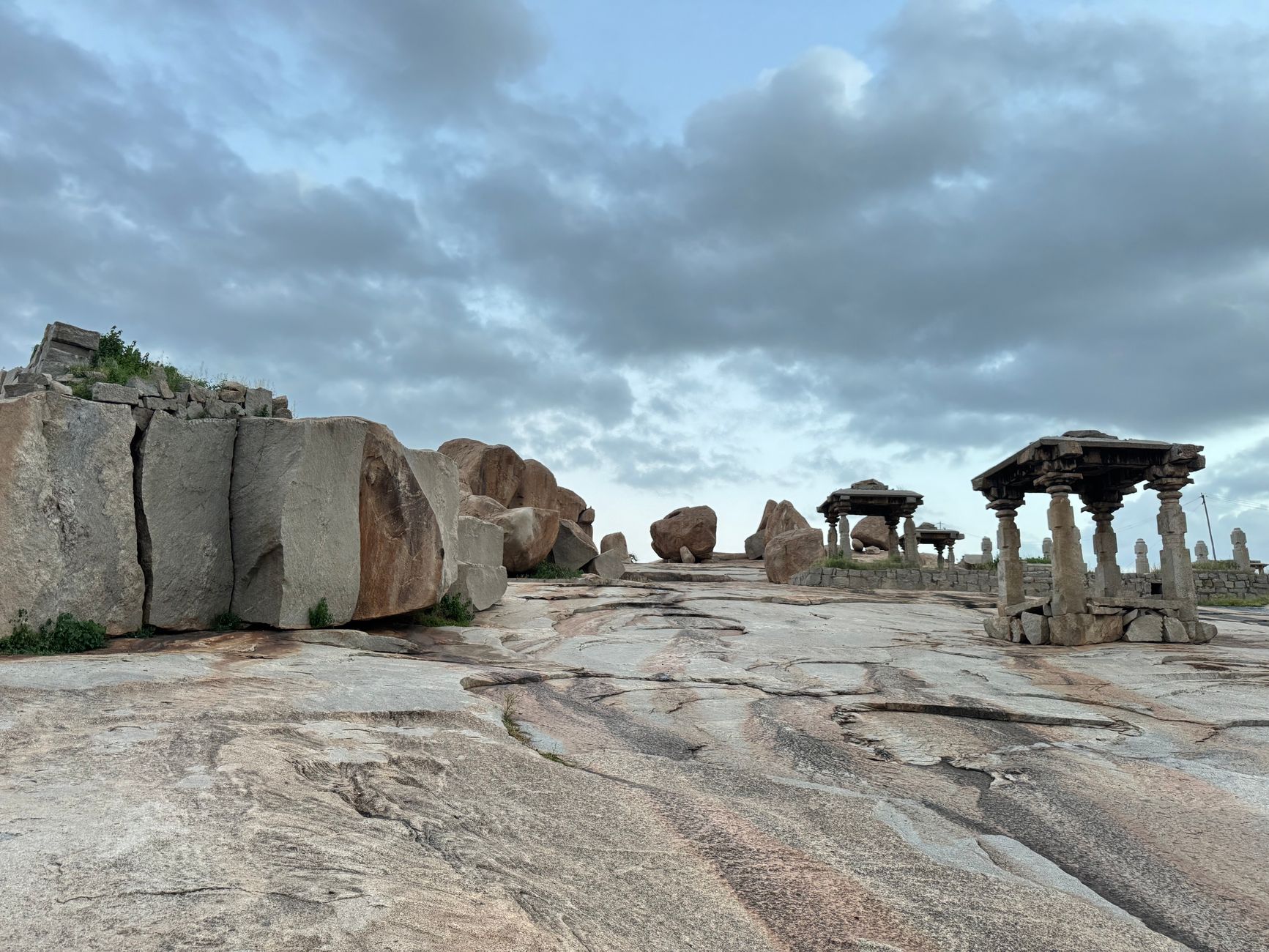
Chitradurga during monsoon season—typically June through September—shifts into an altogether different character than its dry-season self. The fort's granite ramparts darken under cloud cover, the surrounding valleys flood with green, and the air cools considerably, making the physical task of climbing through the fort's seven concentric walls far less taxing on your body. What you need to know is straightforward: expect substantial rainfall (particularly in July and August), fewer tourists, excellent visibility after rain clears, and a landscape so verdant it feels almost otherworldly.
When does monsoon actually arrive in Chitradurga?
The monsoon typically establishes itself in early June, though the first week of the month can still feel warm and dry. July and August are the wettest months, with daily afternoon showers becoming almost routine. By September, the rainfall begins tapering but the landscape remains lush well into October. If you're planning specifically for atmospheric fort exploration with manageable crowds, the second half of September—when the hardest rains have passed but the greenery persists—offers an ideal balance.
What's the practical reality of exploring the fort in wet conditions?
Chitradurga Fort's stone steps become genuinely slippery when wet, which means wearing proper traction footwear isn't optional—it's essential. The fort's higher bastions, which offer panoramic views across the plains, transform into misty vantage points during and immediately after rain, creating an almost cinematic quality that the dry season simply cannot match. However, visibility can drop dramatically during heavy downpour, so plan your exploration for mornings when rainfall is typically lighter, and avoid the fortress altogether during active thunderstorms (which pass quickly in this region). The advantage is substantial: without crowds, you can linger at the Maharaja's Palace or trace the old water channels without navigating around dozens of other visitors.
Related: Best Time to Visit Bengaluru: Month-by-Month Guide
See also: Karnataka in February: Weather, Where to Go and What to Expect
Related: Kalaburagi in Monsoon: What to Expect
How does the weather compare to other seasons?
Chitradurga's monsoon temperatures hover between 18°C and 28°C, a dramatic shift from the scorching 35–40°C of April and May. The humidity is noticeably higher than dry season months, but the absolute temperature is so much lower that most visitors find it far more comfortable for extended walking. The tradeoff is obvious: you gain comfort and atmospheric conditions but lose the crystalline clarity of winter skies. If you've visited in December or January, you'll recognise the cooler air immediately, though July-August mornings will feel considerably damper.
What accommodation adjustments matter during monsoon?
Choose lodging with reliable drainage and a demonstrated track record of handling heavy rainfall. MySpace Chindanur Comforts and KSTDC Mayura Durg Chitradurga both offer solid ratings and are established properties that tend to manage monsoon logistics reasonably well. If you prefer a homestay atmosphere, Aarunya Home Stay - Pet friendly(with AC) offers particularly strong reviews and the flexibility of a smaller establishment. Avoid ground-floor rooms if possible; upper floors provide safety from any localised waterlogging. Request a room away from the roof if you're sensitive to noise from heavy rain—the sound reverberates considerably in stone buildings common to this region.
What should you pack and plan around?
Bring moisture-resistant bags for electronics, a lightweight waterproof jacket rather than heavy rain gear (afternoon showers pass quickly), and absolutely include a decent torch or headlamp—cloud cover in the afternoons can darken the fort's interior passages significantly. Plan half your itinerary indoors: the Nada Redgal Temple courtyard provides shelter, and Chitradurga's modest museum is worth several hours. Consider that local markets sell excellent monsoon-specific produce—mangoes wind down but you'll find incredible jackfruit, tender coconuts, and fresh spices that make any street-food exploration worthwhile.
Also verify road conditions before driving up from Bangalore or Tumkur; while the main highway remains open, occasional landslips can briefly close smaller routes. Leave extra travel time—monsoon roads move slower and visibility drops.
Is monsoon actually a good time to visit Chitradurga?
It depends entirely on your priorities. If you're seeking solitude, atmospheric exploration, and cooler conditions, monsoon is genuinely excellent—you'll experience the fort in a way that many visitors never do. If you need guaranteed clear skies for photography or are walking on a tight schedule, the dry months (November–February) suit you better. The landscape itself is undeniably more striking during monsoon; the valleys surrounding the fort fill with cascading water, and the greens are absolutely vivid. Most local guides will tell you they prefer working monsoon season despite the weather complexity because the fort feels alive in a different way.
A practical middle-ground approach: aim for early September when the heaviest rains have passed but the greenery remains extraordinary. You'll likely encounter only light showers rather than the sustained rainfall of July-August, keeping the comfort level high whilst retaining nearly all the atmospheric benefits.
FAQ
Is the fort actually closed during monsoon? No—Chitradurga Fort remains open year-round. However, specific sections may be temporarily closed if there's structural water damage or debris. Check locally on arrival, and avoid exploration during active thunderstorms.
Will I get sick from monsoon travel in Chitradurga? Not necessarily. The main risk is standard to monsoon travel anywhere: waterborne illnesses from contaminated water. Stick to bottled water, avoid raw salads at unknown vendors, and you'll be fine. The cooler temperatures actually make heat-related illness less likely than during summer.
Can I do day trips from Bangalore during monsoon? Yes, though roads take longer. The highway via Tumkur remains passable even during heavy rain. Leave early (5–6 AM) and plan to depart by 4 PM to avoid night driving on potentially slick roads.
What's the best monsoon month to visit? September offers the best compromise: substantial greenery with lighter rainfall than July-August. June is too wet; by October it's transitioning out of monsoon character.