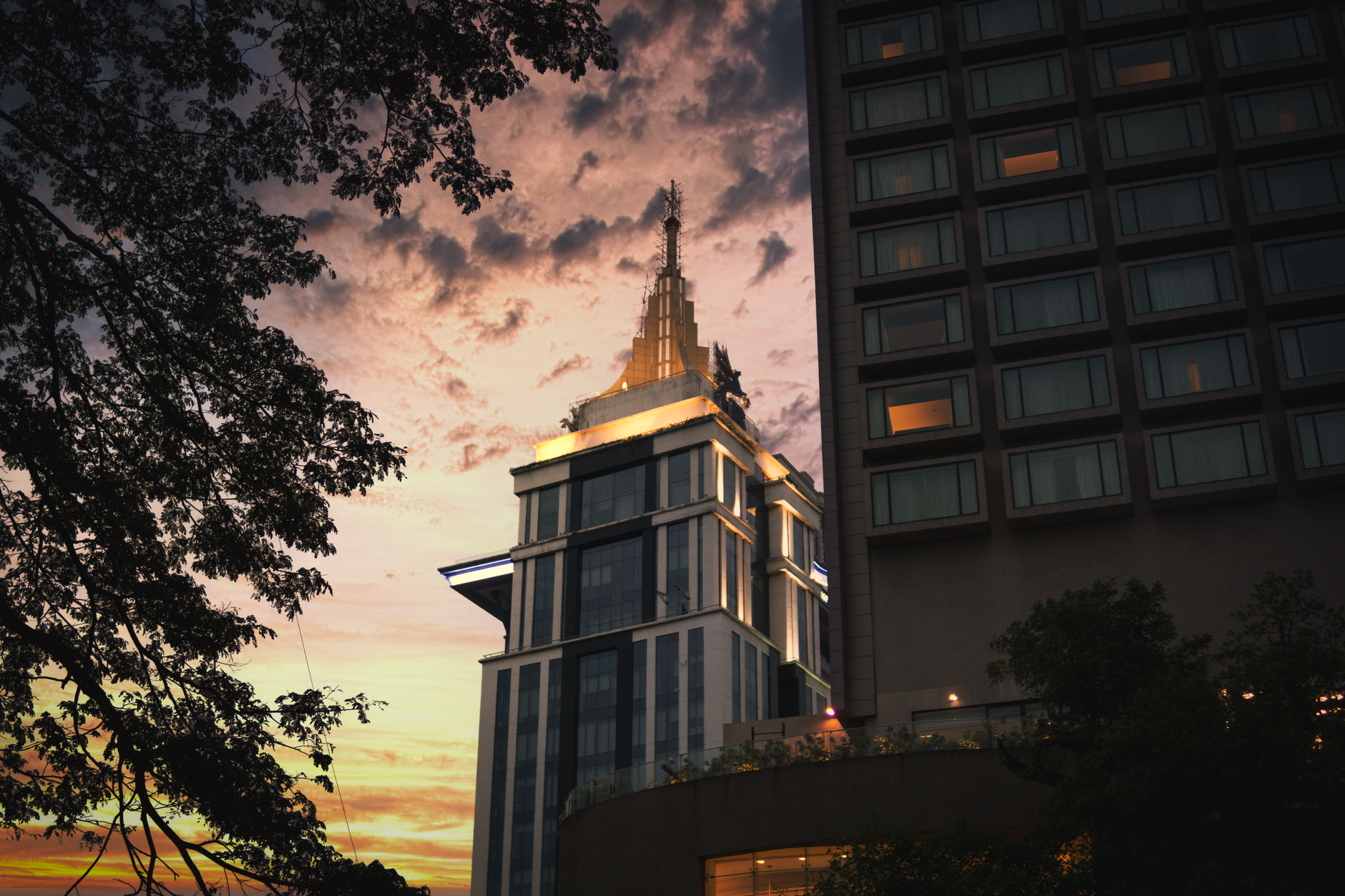
Bengaluru in Monsoon: What to Expect
Bengaluru's monsoon season (June to September) brings heavy rains, temperatures between 15–25°C, and dramatic greenery—but also waterlogged streets and travel delays. The Southwest Monsoon dominates, with July and August being the wettest months. You'll find fewer tourists, lower hotel rates, and a refreshingly cool climate, making it an appealing time to visit if you're prepared for the weather and adjust your itinerary accordingly.
When Does Monsoon Season Start and End?
Monsoon typically arrives in Bengaluru around early June and lasts until September, with peak rainfall in July and August. Early June and late September offer lighter showers and are better for outdoor activities. June sees an average of 100–150 mm of rain, while July and August can exceed 200 mm. By October, the rains taper and the city transitions to cooler, drier weather.
What's the Weather Really Like?
Expect high humidity (70–80%) combined with temperatures of 15–25°C—significantly cooler than summer. Unlike the dry heat of April and May, monsoon Bengaluru feels pleasant for walking, though humidity can be cloying indoors without air conditioning. Rain typically falls in brief, heavy bursts rather than all-day drizzles. Early mornings are often cloudy but dry; afternoon storms are common. Nights are refreshingly cool, ideal for sleeping without excessive air conditioning.
Related: Best time to visit Hassan: month-by-month guide
See also: Karnataka in February: Weather, Where to Go and What to Expect
Related: Best Time to Visit Hampi: Month-by-Month Guide
How Does Monsoon Affect Getting Around?
Traffic congestion worsens considerably during and after heavy rain. Ride-sharing apps surge in price, and auto-rickshaws become scarce. Main roads like Outer Ring Road and arterial routes flood occasionally. Expect journey times to increase by 30–50% on rainy days. Public transport (BMTC buses and the Metro) remain operational but become crowded. Using the Bengaluru Metro—which runs elevated or underground—is often faster and unaffected by flooding. Plan extra time for all journeys and avoid travel during peak afternoon storms (2–6 p.m.).
What Should You Pack?
Bring lightweight, quick-dry clothing, a compact umbrella, and waterproof footwear (trainers or sandals that handle wet surfaces). A light rain jacket or poncho is practical; full waterproofs may be overkill given the heat. Pack waterproof bags for electronics and documents. A small towel is handy. Medications for minor ailments (throat lozenges, antihistamines) help with the cold and humidity-related issues. Sunscreen and sunglasses aren't essential but useful for clearer afternoon periods.
Which Areas Are Best to Explore During Monsoon?
Indoor and covered attractions become your best friend. Vidhana Soudha (the legislative building) and Cubbon Park remain open; the park is lush and beautiful but muddy after rain. Shopping malls like UB City and Phoenix Market City offer climate-controlled comfort. The Bengaluru Palace interior tours, museums (National Gallery of Modern Art, Visvesvaraya Industrial and Technological Museum), and religious sites like the ISKCON Temple operate normally. Lalbagh Botanical Garden is stunning but very wet—wear proper footwear. Outdoor hikes (Nandi Hills, Skandagiri) are risky during monsoon due to slippery terrain and landslide risk; save these for October onwards.
How Do Hotel Rates Compare?
Accommodation prices drop notably—typically 20–40% lower than peak season. Premium properties like Radisson Blu Atria Bengaluru (8.7/10) and The Chancery Pavillion Hotel (8.3/10) remain comfortable and offer excellent value. Mid-range options like Narthaki Boutique Hotel (8.8/10) and IRIS The Business Hotel (8.4/10) are particularly good value. Budget travellers benefit from reduced rates at GRAND KALINGA HOTEL (7.0/10). Ensure your chosen hotel has reliable backup power (monsoon can knock out electricity) and good drainage to avoid damp rooms.
What Food and Drink Issues Might You Face?
Foodborne illness risk slightly increases due to humidity and storage challenges, particularly with street food. Stick to reputable restaurants, avoid raw salads, and drink bottled or filtered water only. Eat at established establishments in MG Road, Indiranagar, and Whitefield areas. Hotels like Holiday Inn Bengaluru Racecourse By IHG (8.7/10) and The LaLiT Ashok Bangalore Hotel (8.0/10) offer safe in-house dining. Coffee and tea remain excellent; avoid unpasteurised dairy products. Monsoon is actually prime season for fresh local fruits and vegetables (mangoes early in the season, then other produce).
Are There Health Concerns?
Common monsoon ailments include water-borne infections, fungal issues (keep skin dry), and respiratory colds from humidity swings. Dengue risk exists but is lower in Bengaluru than surrounding areas. Ensure accommodation has adequate drainage and no standing water nearby. Carry a basic first-aid kit and know the location of nearby pharmacies and clinics. Travel insurance covering medical evacuation is prudent. If you develop persistent symptoms, visit a reputable hospital like Manipal, Apollo, or Fortis immediately.
Is It Worth Visiting During Monsoon?
Yes, if you prioritise savings, cooler weather, and fewer crowds over consistent outdoor activities. Monsoon suits those interested in museums, gardens, shopping, and indoor experiences. However, if hiking, outdoor photography, and spontaneous exploration are your focus, October to April is better. Early June and late September are compromise months—lighter showers, still pleasant weather, and fewer visitors.
FAQ
Can I visit Nandi Hills or other outdoor attractions during monsoon?
Not recommended. Hill stations become slippery, visibility drops dramatically, and landslide risk increases. Save outdoor treks and hill visits for October onwards. Lalbagh and Cubbon Park are manageable if you wear proper footwear, but expect mud and limited visibility for photography.
How reliable is public transport during heavy rain?
Buses and Metro remain operational but experience delays. The Metro is most reliable as it's unaffected by surface flooding. Auto-rickshaws and taxis become scarce and expensive during storms. Booking rides in advance via apps helps, though surge pricing applies. Allow 1.5–2 times your normal travel time on rainy days.
Should I reschedule my trip if monsoon is forecast?
Only if outdoor activities and sightseeing are your priority. If you're flexible and enjoy indoor attractions, cooler weather, and discounted rates, monsoon is fine. Bring waterproofs and stay informed via weather apps. Avoid travelling if heavy flooding is specifically forecasted in your planned areas.
Which hotels are best for monsoon comfort?
Narthaki Boutique Hotel (8.8/10, excellent service) and Radisson Blu Atria Bengaluru (8.7/10, top-rated reliability) both offer robust power backup, good drainage, and central locations near covered attractions. Both provide strong value during monsoon.
Plan your monsoon visit to Bengaluru. Explore guides on best time to visit Bengaluru and what to do in Bengaluru for year-round insights.