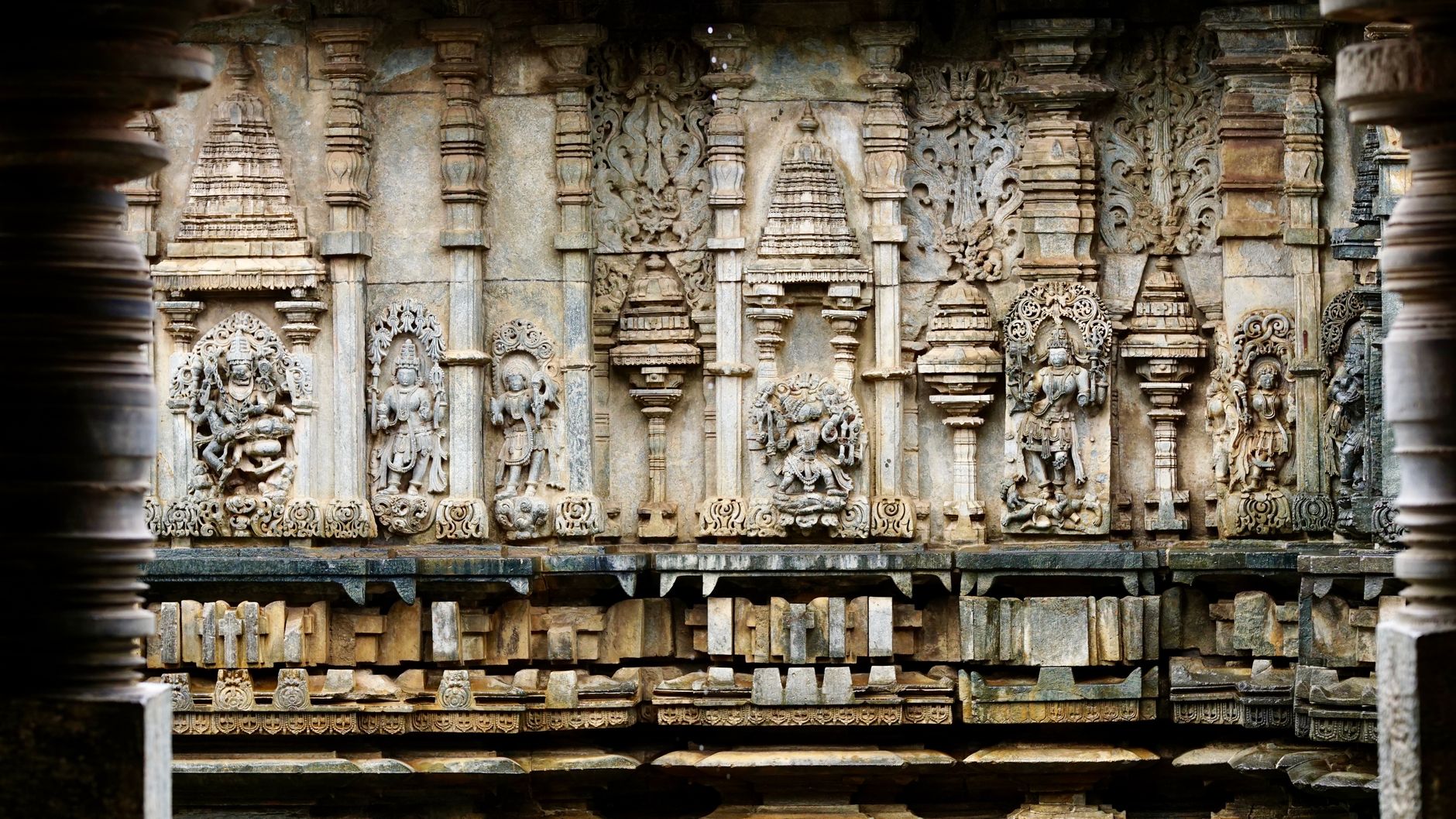
Hassan month-by-month: when to go

October to February is best. Cool (15–28°C), dry, temples accessible. June to September: monsoon rain, flooding roads, poor visibility—avoid unless you're local. March to May: scorching dry heat (35°C+), water shortages. December is the peak-sweet-spot: zero rain, moderate crowds, lower costs than January.
October: the restart
Rain stops mid-October. Temperatures drop to 25–28°C. Roads clear after monsoon damage—highways to Belur and Halebid reopen fully. Crowds light. Hotels drop prices after September slump. Book mid-October onwards for the shoulder season rush. Expect 95–100 mm rainfall in early weeks; carry an umbrella first week.
Hoysala Village Resort (8.7/10) fills up by late October—book ahead.
Related: Best Time to Visit Hampi: Month-by-Month Guide
See also: Karnataka in February: Weather, Where to Go and What to Expect
See also: Badami in Monsoon: What to Expect
November: stable, quiet
No rain. Temperatures 20–26°C. Best month for temple hopping. Belur, Halebid, and Somanathapura are packed with pilgrims but not tourists yet. Roads are perfect. Hotel rates creep up slightly. Water levels in reservoirs are reasonable after monsoon refill. Ideal if you dislike crowds. Humidity low (40–50%).
December: the peak sweet spot
Zero rain. Cool mornings (12–15°C), warm days (26–28°C). Schools break mid-December—domestic tourism peaks. Rates jump 20–30% above October. Weekend bookings essential; weekdays still cheaper. Diwali (Nov-dependent, sometimes Oct) drives November instead. By mid-December, Hassan is busy but not overwhelming. Hotels maintain good stock.
Palguni Residency (9.1/10, 182 reviews) and Chamundi Comforts (8.9/10) book out—reserve 6–8 weeks ahead.
January: expensive, crowded
Dry, cool (10–24°C). New Year holidays and end of school holidays drive crowds. Rates peak—expect 40–50% premiums over October. Belur and Halebid packed on weekends. Good weather, but poor value. Avoid unless you have fixed travel dates. Hotels hold rates firm; negotiation rarely works.
February: last of the dry season
No rain. Warm afternoons (28–30°C), cool mornings (14–18°C). Crowds drop sharply after January. Rates fall 15–20% from January peaks. Still dry and temple-friendly. Late February can touch 32°C—start of summer. Book last-minute deals from mid-February. An underrated month: good weather, half the January cost, manageable crowds.
March to May: avoid
Dry and hot. March: 28–35°C. April: 32–38°C. May: 35–40°C. Water shortages common. Hotel AC running 24/7 (higher bills if you're staying weeks). Belur and Halebid are uncomfortably hot by noon. Pilgrim season ends. Rates drop but the heat is unbearable for most. Only visit if you're accustomed to intense heat or scheduling museums/indoor activities.
June to September: monsoon—avoid
June–September: 150–250 mm monthly rainfall. Roads to Belur and Halebid flood. Visibility poor. Landslips block routes. Temples get damp; some close partially for maintenance. Humidity 70–80%. Mosquitoes spike. Rooms smell musty. Costs bottom out (40–60% off peak), but logistics are difficult. If you must visit, June is the least wet month (120 mm). Roads are passable, though risky after heavy spells.
When to book hotels
Peak (Dec–Jan): Book 8–10 weeks ahead. Hassan Ashok (4-star, 7.9/10) fills quickly.
Shoulder (Oct–Nov, Feb): 4–6 weeks ahead. Mallige residency (8.4/10, 172 reviews) offers good deals.
Off-peak (Mar–Sep): 2–3 weeks. Rates drop; availability high. Treebo Suvarna Comforts (7.9/10) offers last-minute discounts.
Budget breakdown by season
- Dec–Jan (peak): 3-star hotels ₹2,500–4,500/night. 4-star ₹4,500–6,500. Meals +15%.
- Oct–Nov, Feb (shoulder): 3-star ₹1,800–3,000. 4-star ₹3,500–4,500. Steady meal prices.
- Mar–May, Jun–Sep (low): 3-star ₹1,200–2,000. 4-star ₹2,500–3,500. Meals steady, but less choice.
Distance and travel times from Hassan
- Belur: 32 km, 1 hour by road.
- Halebid: 42 km, 1.5 hours.
- Somanathapura: 35 km, 1 hour.
- Bangalore: 190 km, 4–5 hours.
Monday–Friday traffic to Bangalore is heavy; avoid peak hours (7–10 am, 5–7 pm).
Practical checklist
October–February: Carry a light jacket for early mornings (15°C). Sunscreen essential (altitude 1,000 m, UV index moderate). Temples require covered shoulders and knees—sarongs available at entrances.
June–September: Waterproof bag, umbrella, slip-on shoes. Phone a local before driving to Belur after heavy rain.
March–May: High-SPF sunscreen, wide-brimmed hat, hydration pack. Carry extra water; restaurants may run short. Book AC rooms.
Best time for specific activities
- Temple visits: Oct–Feb. Comfortable walking, clear visibility.
- Photography: Nov–Dec. Golden light, no haze, dry roads.
- Budget travel: Jun–Sep or Mar–May, but logistics suffer.
- Local festivals: Navaratri (Sept–Oct, dates vary). Belur sees processions.
FAQ
Q: Will December rain ruin my temple visit? A: No. December is bone-dry; 0–5 mm rainfall. Halebid stone carvings are crystal clear. The only rain months are June–September. You're safe.
Q: Is January worth the premium? A: Only if you have fixed school dates. February offers near-identical weather at 60% the cost and half the crowds. Unless your calendar is locked, February is smarter.
Q: Can I drive to Belur in July? A: Risky. Roads flood July–August. Landslips are common. Mobile networks drop. Wait until October or go via highway 48 (longer, safer route). Local taxi drivers know safe paths; consider hiring one (₹1,500–2,000/day).
Q: What's the best deal month? A: August–September. Rates hit floor (₹1,200–1,800 for 3-star rooms), but monsoon logistics are rough. February is the sweet spot: fair rates (₹1,800–2,500), dry weather, light crowds.