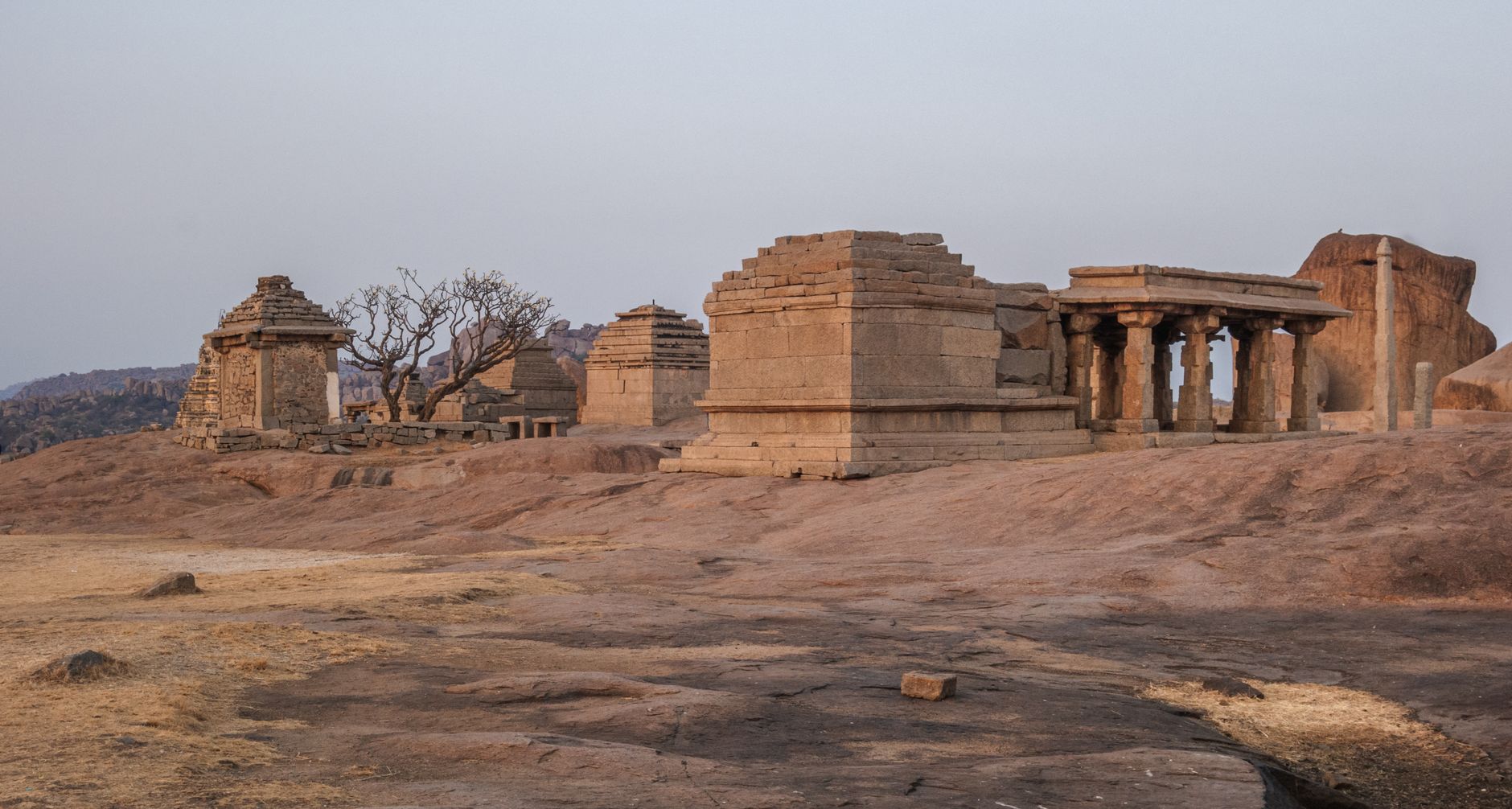
Best Time to Visit Hampi: Month-by-Month Guide
The ideal months to visit Hampi are October through February, when temperatures are cool (15–28°C) and humidity is low. This six-month window offers the best conditions for walking temple ruins and enjoying outdoor exploration. Summer months (April–June) are brutal and nearly unbearable, while monsoon brings beauty but logistical challenges. Your choice depends on whether you prioritise comfort, crowds, or photographic drama.
How does weather change across the year?
Hampi's climate follows a classic Deccan pattern: scorching pre-monsoon heat, brief but intense rain, and a blessed cool season. From October onwards, cool winds return, making outdoor sightseeing genuinely pleasant. By April, temperatures climb past 40°C regularly. Monsoon (July–September) cools things temporarily but makes accessing certain sites difficult.
The best all-rounder months are November and December, when weather is at its most reliable and comfortable.
Related: Mysore in Monsoon: What to Expect
See also: Karnataka in February: Weather, Where to Go and What to Expect
Related: Bengaluru in Monsoon: What to Expect
October: Early Peak Season
Temperature: 18–32°C | Humidity: Moderate | Rainfall: Possible showers
October marks the transition to peak season. Monsoon ends, crowds begin arriving, and the landscape is still lush from recent rains. Early October can still feel sticky, but by late October, conditions improve significantly.
Pros: Reduced crowds compared to November–December; temples surrounded by green vegetation; fewer hotel price hikes.
Cons: Occasional rain showers; some infrastructure may still be monsoon-affected.
Best for: Budget travellers and those seeking fewer crowds without sacrificing comfort.
November–December: Peak Season
Temperature: 15–28°C | Humidity: Low | Rainfall: None
This is Hampi's golden window. Cool, dry weather, crystal-clear skies, and manageable crowds (not yet overwhelming) make November and December ideal. Photography conditions are exceptional, and walking the ruins feels genuinely enjoyable rather than a survival test. Hotels are busy but not fully booked until mid-December when holiday travellers arrive.
Pros: Perfect weather for all-day exploration; clear, blue skies; excellent photography light; comfortable hiking between sites.
Cons: Peak prices for accommodation; increasing crowds, especially mid-to-late December; some hotels and restaurants become busier.
Best for: Most first-time visitors; anyone prioritising comfort and accessibility.
Hotel pick: WelcomHeritage Shivavilas Palace (9.1/10) offers heritage charm and exceptional service if you're splurging, whilst Heritage Resort Hampii (8.6/10) balances comfort with reasonable pricing.
January: Late Peak, Still Excellent
Temperature: 16–27°C | Humidity: Low | Rainfall: None
January remains excellent—cool and clear, though increasingly busy. By the second half of January, crowds thin slightly as holiday visitors depart, yet weather stays reliably pleasant.
Pros: Weather remains ideal; post-holiday quieter periods emerge mid-month; still good photography conditions.
Cons: Some days feel cooler than November (long sleeves needed for evening temple walks); prices stay high.
Best for: Those seeking peak-season conditions without December's holiday rush.
February: Shoulder Season Warmth
Temperature: 18–30°C | Humidity: Low | Rainfall: None
February marks the tail end of peak season. Weather is still excellent, though noticeably warmer than January. Crowds drop substantially as schools return and tourists move on.
Pros: Weather remains dry and pleasant; fewer tourists than November–January; hotel prices begin declining; still excellent sightseeing conditions.
Cons: Slight increase in temperature; some afternoon warmth can slow midday exploration.
Best for: Travellers avoiding crowds, families with flexible schedules, those seeking good-value accommodation.
Hotel suggestion: Zostel Hampi (Gangavathi) (8.5/10) offers budget-friendly beds with social atmosphere; great for independent travellers.
March: Shoulder Season, Building Heat
Temperature: 22–36°C | Humidity: Low–Moderate | Rainfall: None
March remains dry but heat accelerates noticeably. Early March is still manageable; by late March, afternoon temperatures frequently exceed 35°C. It's a transitional month—crowds are minimal, but comfort suffers.
Pros: Very few tourists; excellent accommodation discounts (30–40% cheaper than peak season); still dry weather.
Cons: Heat builds substantially; afternoon exploration becomes exhausting; strong sun can make photography challenging.
Best for: Heat-tolerant travellers, those seeking solitude, budget hunters.
April–June: Summer Heat (Avoid)
Temperature: 30–42°C | Humidity: Low–Moderate | Rainfall: None
This period is essentially off-limits for most visitors. Temperatures regularly exceed 40°C, the sun is merciless, and exploring 16th-century ruins means long periods without shade. Accommodation is aggressively discounted (up to 50% off) because few want to endure it. Even locals recommend avoiding this season.
Pros: Extremely cheap hotels; virtually no tourists; absolute solitude.
Cons: Dangerous heat; early sunrise required for any outdoor activity; dehydration risks; poor photography light due to harsh shadows.
Best for: Only the most heat-tolerant or budget-desperate travellers.
July–September: Monsoon (Challenging)
Temperature: 20–30°C | Humidity: High | Rainfall: Heavy
Monsoon brings dramatic landscape transformation—lush greenery, dramatic skies, and reduced tourists. However, it's logistically problematic. Roads can flood, some temple areas become slippery, and humidity is oppressive. Rain is often intense and unpredictable.
Pros: Stunning green landscapes; photogenic dramatic clouds; very few tourists; lowest hotel prices; cool temperatures; wildlife viewing opportunities improve.
Cons: Heavy, unpredictable rainfall; slippery temple stairs and walkways; some sites partially inaccessible; high humidity despite cooler temps; mosquitoes increase; restaurants and shops have reduced hours.
Best for: Photography enthusiasts seeking dramatic light; adventurous independent travellers; those unbothered by mud and rain.
Month-by-Month Comparison Table
| Month | Temp | Crowds | Rain | Price | Rating |
|---|---|---|---|---|---|
| October | Warm | Low–Mod | Possible | Moderate | ★★★★ |
| November | Cool | High | None | High | ★★★★★ |
| December | Cool | Very High | None | Very High | ★★★★★ |
| January | Cool | High | None | High | ★★★★★ |
| February | Cool–Warm | Moderate | None | Moderate–High | ★★★★ |
| March | Warm | Low | None | Low–Moderate | ★★★ |
| April–June | Hot | Very Low | None | Very Low | ★ |
| July–September | Warm–Cool | Very Low | Heavy | Low | ★★ |
Which season is right for you?
Choose November–December if: You value comfort, photography, and willing to pay for peak-season prices; this is the default recommendation for most visitors.
Choose October or February if: You want good weather without peak-season intensity or pricing; you're flexible on crowds.
Choose March if: You're budget-conscious and heat-tolerant; happy exploring early mornings and late afternoons.
Choose July–September if: You're an adventurous photographer, value solitude, and don't mind monsoon rain; natural landscape appeal is priority.
Avoid April–June unless: You're specifically heat-testing or seeking the absolute cheapest accommodation imaginable.
Practical visiting tips by season
Peak season (Nov–Jan): Book accommodation 4–6 weeks ahead; arrange guide services early; visit major temples (Virupaksha, Krishna) at opening time to beat crowds; carry sunscreen and hats; light evening layers needed.
Shoulder season (Oct, Feb): Still book 2–3 weeks ahead for good properties; fewer queues at monuments; flexibility with timing works well; weather remains predictable.
Monsoon (Jul–Sep): Pack waterproof bag for phone/camera; wear sturdy waterproof footwear; visit indoor attractions (museum, covered ruins); confirm opening times before visiting; prepare for extended site closures on heavy rain days.
Summer (Apr–Jun): Start exploration at 5:30 a.m., finish by 11 a.m.; stay hydrated obsessively; rest during midday heat; visit early in the month (April is more bearable than June); book hotels with excellent air-conditioning like Clarks Inn Hampi (7.6/10) or Royal Orchid Central Kireeti Hampi (7.9/10).
Frequently Asked Questions
When is Hampi too crowded? Mid-December through early January sees peak tourist density, especially around major temples and during sunset viewing. Expect queues and reduced solitude if visiting these weeks. October and February feel significantly quieter.
Is Hampi safe to visit during monsoon? Yes, broadly safe, but logistically more challenging. Heavy rain can wash out some access roads temporarily; always check local conditions before visiting remote sites. Walking temple steps becomes slippery. It's manageable with flexibility and good footwear, though not ideal for rushed or packed itineraries.
Can I visit Hampi comfortably in summer? Technically yes, if starting exploration at 5:30 a.m. and finishing by 11 a.m., then resting during peak heat. However, it's not genuinely comfortable—heat is dangerous and exhausting. Most visitors find this season unpleasant unless heat-adapted or specifically seeking budget prices and solitude.
What's the single best week to visit Hampi? Mid-November to early December offers the perfect balance: excellent weather, manageable but not overwhelming crowds, reasonable hotel prices compared to late December, and no school holidays adding family groups. This week typically represents peak season comfort without peak-season chaos.
Need more planning details? Explore Hampi's best attractions or check out detailed visitor logistics for temple hours, entry fees, and transport options.