Best Time to Visit Belur: Month-by-Month
Belur's ideal season runs from October to February, when daytime temperatures hover between 15 and 28°C and rainfall is minimal. This window encompasses the post-monsoon freshness and winter calm—two distinct but equally rewarding periods. May through September brings heavy rains and oppressive heat, making trekking and temple exploration uncomfortable. If you're chasing festivals or solitude, timing matters; December–January draws pilgrims and tourists alike, whilst July carries the lush green monsoon landscape but waterlogged paths.
October to November: Post-Monsoon Freshness
October marks the transition from monsoon to dry season, and it's genuinely one of Belur's finest months. The Western Ghats are verdant from recent rains, visibility is excellent, and temperatures start to drop from summer's peak. October daytime temperatures sit around 25–28°C, with cool mornings and evenings.
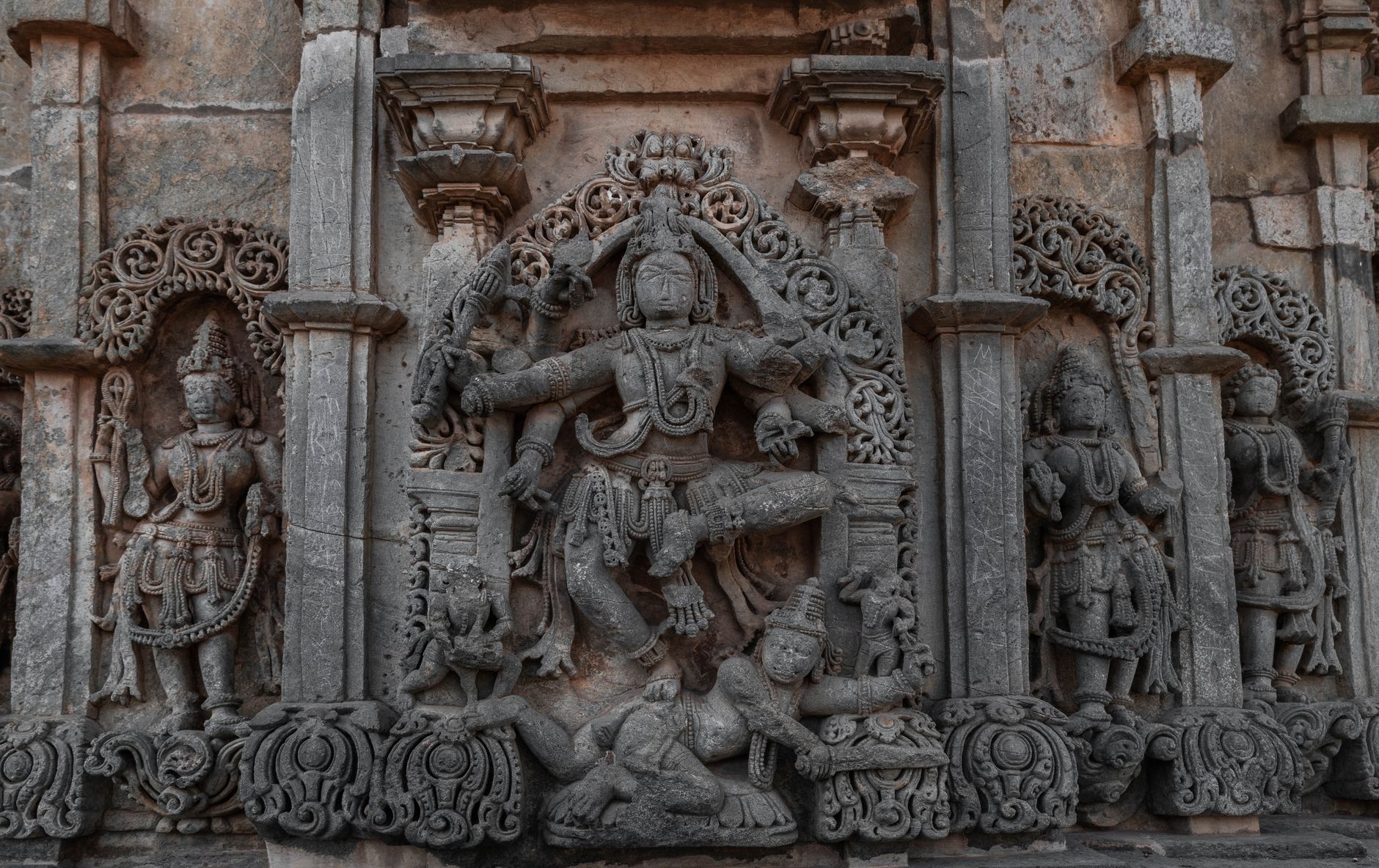
Why visit: The Chennakesava Temple stone carvings photograph beautifully under clear skies. Trails around the Hoysala heritage sites are walkable, mud has begun to dry, and accommodation availability is good before peak season. Wildlife spotting in nearby reserves becomes more reliable as animals emerge after monsoon seclusion.
Related: Udupi in monsoon: what to expect
See also: Karnataka in February: Weather, Where to Go and What to Expect
Related: Chikmagalur in Monsoon: What to Expect
Crowds: Moderate. Not yet peak tourist season, so you'll enjoy shorter queues at the temple and easier restaurant seating.
Rainfall: Occasional showers early October; negligible by late October.
December to January: Winter Peak Season
Winter is Belur's busiest and most festive period. Daytime temperatures range from 18–25°C, nights drop to 10–15°C, and the skies are uniformly clear. This is when domestic tourists and pilgrims flood the region, particularly around Christmas, New Year, and Hindu festivals like Makar Sankranti (mid-January).
Why visit: Comfortable walking temperatures mean you can spend hours exploring temple intricate stone work without heat exhaustion. Festival energy is palpable—you may catch temple ceremonies, local celebrations, or fair-like activity in surrounding towns. The crisp air and low humidity make trekking and photography particularly rewarding.
Crowds: Peak. Hotels book out 2–3 weeks in advance. Temple grounds are busy between 8 a.m. and 5 p.m. If solitude matters, arrive early morning or stay mid-week rather than weekends.
Rainfall: None. Conditions are reliably dry.
Hotel booking tip: Reserve early. Pepper Corn Retreat by Travent Mug (4 stars, 8.5/10) and WaterView Holiday Retreat (3 stars, 9.0/10) are popular mid-range choices that fill quickly in December.
February to March: Late Winter and Early Spring
February continues the dry season comfort without December's peak crowds. Temperatures rise slightly—daytime highs around 25–30°C—but remain pleasant, especially in the shade or at higher elevations. By March, heat begins to intensify, and afternoon temperatures creep toward 32°C.
Why visit February: A sweet spot. You get winter's dry, clear weather with fewer tourists and lower hotel rates than December–January. Accommodation is readily available, and you can book last-minute without penalty.
Why avoid March: Temperature climbing makes afternoon walking taxing. If you're sensitive to heat, February is preferable.
Crowds: Light to moderate in February; increasing in March as holiday-makers return.
Rainfall: Negligible.
April to May: Pre-Monsoon Heat
April and May are Belur's hottest months. Daytime highs regularly exceed 35°C, humidity climbs, and the landscape becomes parched and dusty. Pre-monsoon afternoon thunderstorms—particularly in May—can be intense but brief. These months see the fewest tourists.
Why avoid: Heat makes walking uncomfortable beyond early morning or late afternoon. The temple stone gets too hot to touch. Guest houses and hotels often fill with domestic travellers seeking hill-station respite, so even quiet periods aren't guaranteed good availability.
If you must visit: Plan temple tours for 6–8 a.m., rest during midday, and return for evening exploration around 4 p.m. Stay in properties with good air-conditioning, like Sunshine International Boarding & Lodging (3 stars, 8.3/10).
June to September: Monsoon Season
The Southwest Monsoon drenches the region from June through September, with July and August typically the wettest. Monthly rainfall exceeds 200 mm, often 300+ mm in July. Daytime temperatures moderate to 22–28°C, but constant moisture and cloud cover dominate.
Why avoid: Trails become slippery and muddy, temple courtyards waterlog, and visibility for photography is poor. Leeches are active. Travel between Belur and surrounding villages becomes slower due to road conditions. Most tourists avoid this season entirely.
Why consider it (selectively): If you want solitude and don't mind mud, June and September offer lighter rainfall, fewer tourists, and lush green landscapes. The region is quieter, accommodation is cheaper, and locals' daily life is more visible. Early September can work if you're flexible about weather.
Rainfall: June ~200 mm; July ~350 mm; August ~320 mm; September ~200 mm.
Comparison: Which Month for Your Trip?
| Goal | Best Month | Why |
|---|---|---|
| Clear skies & temple photography | October, February | Dry, excellent visibility, manageable heat |
| Festivals & energy | December, January | Makar Sankranti, local fairs, celebrations |
| Solitude & budget | September, May | Fewer tourists, lower rates (but weather trade-offs) |
| Comfortable trekking | October–November, February | Cool temps, dry trails, good visibility |
| Lush landscape | July–August | Green hills, but accept mud and rain |
Practical Planning by Season
Peak season (Dec–Jan): Book accommodation 3 weeks ahead. Arrive early morning at temples (before 8 a.m.) to avoid queues. Hire a local guide to access lesser-known Hoysala sites beyond the main temple.
Off-peak (Jun–Sep): Expect basic services. Some restaurants may have reduced hours. Roads are passable but slow. No need to book in advance, but confirm accommodation is open.
Shoulder seasons (Oct–Nov, Feb–Mar): Ideal balance of weather, availability, and price. Book 1–2 weeks ahead if you're particular about accommodation quality. Try Edgestay (5 stars, 8.9/10) or HALASE HOMESTAY (5 stars, 9.6/10) for premium comfort without peak-season markup.
Regional Context
Belur sits in Hassan district, part of the Hoysala heartland. Nearby Halebeedu and Shravanabelagola follow identical seasonal patterns, so if you're planning a multi-temple circuit, the same windows apply. See our Hassan best time to visit guide for broader district insights.
FAQs
Is Belur worth visiting during monsoon?
Only if solitude and green landscapes appeal to you more than clear skies and comfortable walking. The 12th-century stone carvings on the Chennakesava Temple are equally impressive in any season, but photographing them and exploring trails is genuinely easier in dry months. Most visitors skip June–August.
What's the coldest month in Belur?
January, with nighttime lows around 10–12°C and daytime highs of 20–24°C. Early mornings can feel chilly; bring a light jacket or shawl. This mild cold, combined with clear skies, is why so many travellers visit then.
Can I visit Belur in summer (May–June)?
Yes, but it's uncomfortable. May heat regularly exceeds 35°C, making daytime exploration taxing. June brings pre-monsoon downpours that obscure views and make trails hazardous. If travel dates are fixed, plan 6–8 a.m. temple sessions and rest during 12–4 p.m., using that time to visit museums or relax at air-conditioned hotels like Dwarasamudra Resort Belur (3 stars, 7.6/10).
Which month has the best photography light?
October and February. Clear skies mean golden-hour light at dawn and dusk is exceptional, and the sun's angle is not so intense that it washes out detail on carved stone. January also works well but can be crowded with other photographers and tourists.