Karnataka in March: Weather, Where to Go and What to Expect
March in Karnataka is hot, dry and gloriously bright. It's late in the dry season, so you'll enjoy clear skies and excellent visibility—ideal for estate walks, forest hikes and long-distance views. However, temperatures climb steadily throughout the month, especially in lowland areas and cities. If you're heat-sensitive, the hill stations of Coorg and Chikmagalur offer genuine relief, with mornings often crisp and evenings pleasantly cool. This is peak tourism season, so popular spots are busy and accommodation prices reflect demand.
What's the weather really like in March?
March is hot and dry across most of Karnataka. In Bengaluru, expect 23–34°C; in Mysore and lowland areas, temperatures reach 28–36°C. The humidity is low compared to the monsoon months, so the heat feels less oppressive. Rainfall is virtually absent—March marks the tail end of the dry season.
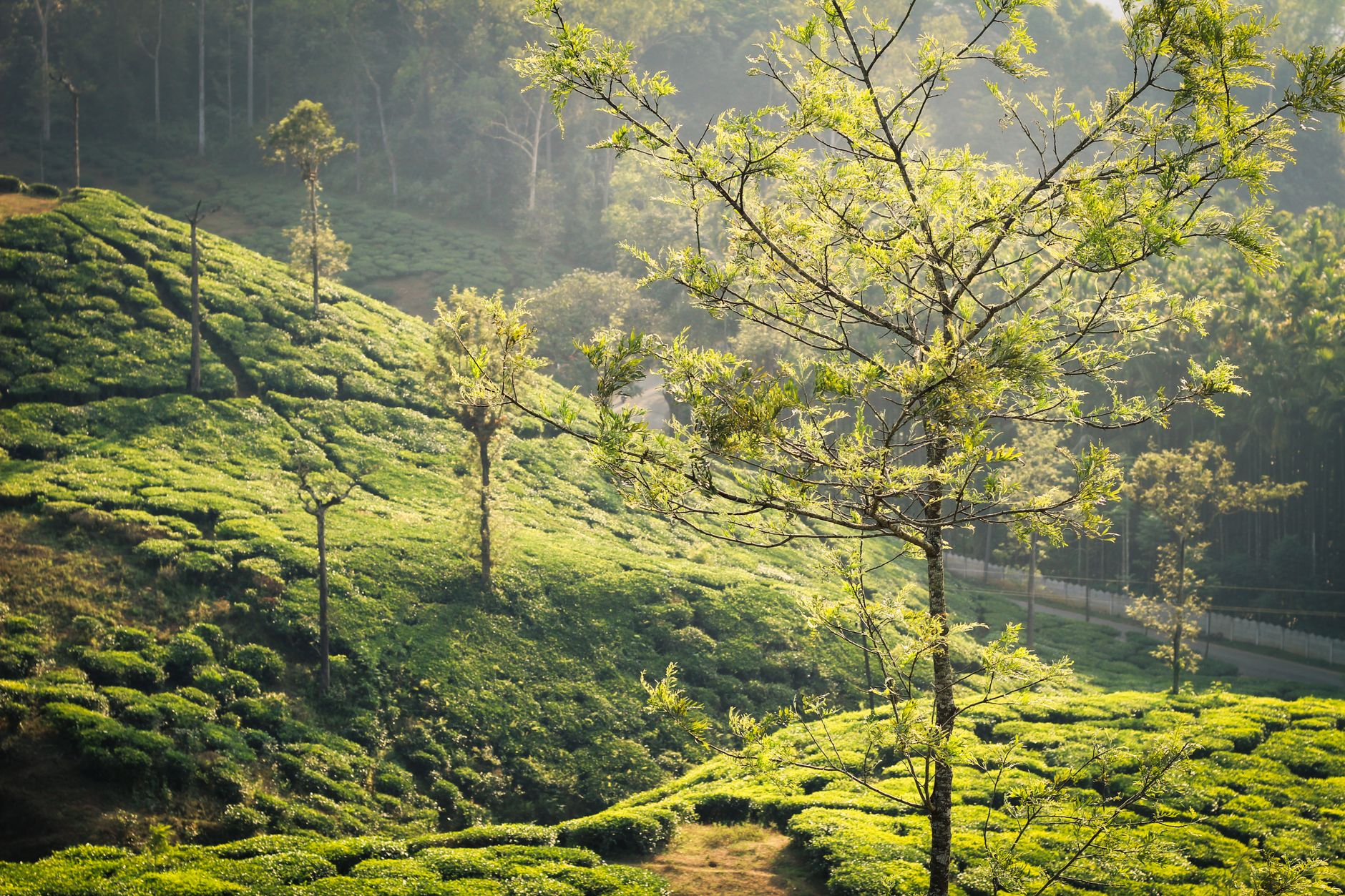
In the Western Ghats—Coorg, Chikmagalur, and around Kodachadri—it's noticeably cooler, typically 18–28°C, with pleasant mornings and mild afternoons. Early-morning mist lingers in coffee estates, creating that distinctive Ghats atmosphere. By late March, even the hills warm up, but they remain significantly cooler than the plains.
Related: Mysore in Monsoon: What to Expect
See also: Karnataka in February: Weather, Where to Go and What to Expect
See also: Shivamogga in Monsoon: What to Expect
Sunrise and sunset are sharp and vivid. The light is excellent for photography and trekking visibility is outstanding. You won't encounter the rain-soaked landscapes of monsoon or the oppressive pre-monsoon humidity of April and May.
Which regions suit March best?
Hill stations: Coorg and Chikmagalur
If heat avoidance is your priority, the Western Ghats are non-negotiable in March. Coorg's undulating coffee and spice plantations are at their cleanest and greenest—the January–February rains have left the landscape lush, yet March weather is still dry and comfortable. Walking through estate trails early morning, you'll pass cardamom plants, pepper vines, and shaded coffee bushes, with cool air and birdsong as your soundtrack.
Chikmagalur works similarly: coffee estates, forest trails to Mullayanagiri (1,930 m) and Baba Budan Giri remain accessible and excellent for trekking. The Kemmanagundi plateau is comfortable for wandering. Water sources are reliable (unlike deep dry season in May), and visibility is perfect.
Both regions are busier in March than January–February, but not unbearably so. Mornings and early evenings remain relatively quiet if you start before 9 a.m. and plan hikes accordingly.
Lowland forests and plains
Mysore, Bengaluru and dry-zone forests (Bandipur, Nagarahole, Kabini) are hot in March, but still visitable. Forest safaris remain excellent—wildlife viewing is often better in March than January because animals congregate around water sources, making spotting easier. However, expect to start safaris at dawn (5–6 a.m.) and finish by mid-morning to avoid the hottest hours.
Mysore city itself is manageable in early March (23–28°C), though the palace interiors and museums can be uncomfortably crowded. The gardens (Brindavan, — Glass House) are less pleasant in the afternoon heat. Visit early.
Bengaluru's IT parks and shopping centres are air-conditioned refuges, and the city's restaurants and museums are fine in March. However, outdoor exploration—Cubbon Park, Lalbagh—is best in early morning.
Coastal regions and Western Ghats foothills
Mangalore and Gokarna remain warm but not oppressively so. March has virtually no rain, so beaches are dry and accessible. However, March is pre-summer and the sea is warm (28–30°C). Beach towns begin to get busy as summer approaches.
Thankfully, many coastal areas see fewer visitors than hill stations, making them a quieter alternative if you don't mind warmth.
What about festivals and cultural events?
March includes Holi (colour festival; dates vary yearly, but often late February or early March), which is celebrated across Karnataka with colour, sweets and community gatherings. In Coorg, Holi has a distinctive flavour blending local traditions with pan-Indian celebrations.
Mahavir Jayanthi (birthday of Mahavira, founder of Jainism) falls in March or early April and is observed, particularly in regions with Jain communities. Temple festivals continue in Mysore and smaller towns, though the major festivals (Dussehra in October) are finished.
Check local festival calendars if you're interested in temple rituals or community events; many are low-key and genuinely welcoming to visitors.
March vs other months: when should you actually visit?
March vs January–February: January and early February offer lower temperatures in the hills and slightly fewer tourists. March is hotter and busier, but still excellent for trekking and the monsoon is not yet a concern. If you're flexible, January is often superior for comfort and solitude; March suits those content with heat and crowds in exchange for reliability.
March vs April–May: April and May are brutally hot—40°C+ in many areas, with increasing humidity and occasional dusty pre-monsoon squalls. March is substantially more pleasant. If you're visiting lowland areas, March is clearly preferable; for hill stations, April remains viable but March is better.
March vs June–September (monsoon): The monsoon brings rain, lower visibility, and slippery forest paths, but the landscape is extraordinarily green and forests burst with life. Estates smell of wet earth and spices. However, trekking is more challenging and some forest roads become unreliable. March offers better hiking conditions; monsoon offers more dramatic scenery and fewer tourists. Choose based on your tolerance for rain and mud.
Practical tips for visiting in March
Hydration and sun protection: Carry at least 2 litres of water per person on forest walks. Sunscreen, a hat, and sunglasses are essential. Many forest trails lack shade; start early.
Accommodation: Book 4–6 weeks ahead if you're visiting popular hill stations. March is peak season and estate homestays, plantation resorts and small hotels fill quickly. Expect higher prices than January–February.
Clothing: Lightweight, breathable cotton is essential. In Coorg and Chikmagalur, bring a light cardigan or shawl for early mornings and evenings (temperatures drop to 15–18°C at altitude). In lowland areas, you'll want nothing more than light cotton and sandals during the day.
Transport: Hire a vehicle with a driver if exploring hill stations; roads are winding and traffic unpredictable. Public transport is reliable but slow. Forest roads may be dusty; a 4x4 is useful for remote forest safaris, though many main routes are accessible by car.
Safari timing: If visiting Nagarahole, Bandipur or Kabini, book morning safaris (5–7 a.m.). Afternoon safaris are uncomfortably hot and wildlife activity drops.
FAQ
Is March too hot for trekking in Karnataka? Not in the hills. Coorg and Chikmagalur remain pleasant for trekking in March (18–28°C). Lowland forests are hot, but early-morning starts (5–6 a.m.) make trekking feasible. Avoid midday exertion; afternoon temperatures exceed 35°C in many areas.
Will I see the monsoon in March? No. Monsoon arrives in Karnataka in June. March is completely dry—expect zero rainfall. The sky is generally clear, making it ideal for visibility and photography.
Is March better than February for visiting? February often offers slightly cooler temperatures and slightly fewer tourists. March is hotter and busier, but still excellent. If comfort and solitude matter most, February is marginally better; if you're flexible on both, March works well.
Should I visit lowlands or hill stations in March? Hill stations (Coorg, Chikmagalur) are significantly more comfortable in March. Lowland areas are hot and crowded. If you must visit lowlands, Nagarahole and Bandipur for forest safaris remain rewarding despite heat; start early and finish by late morning.