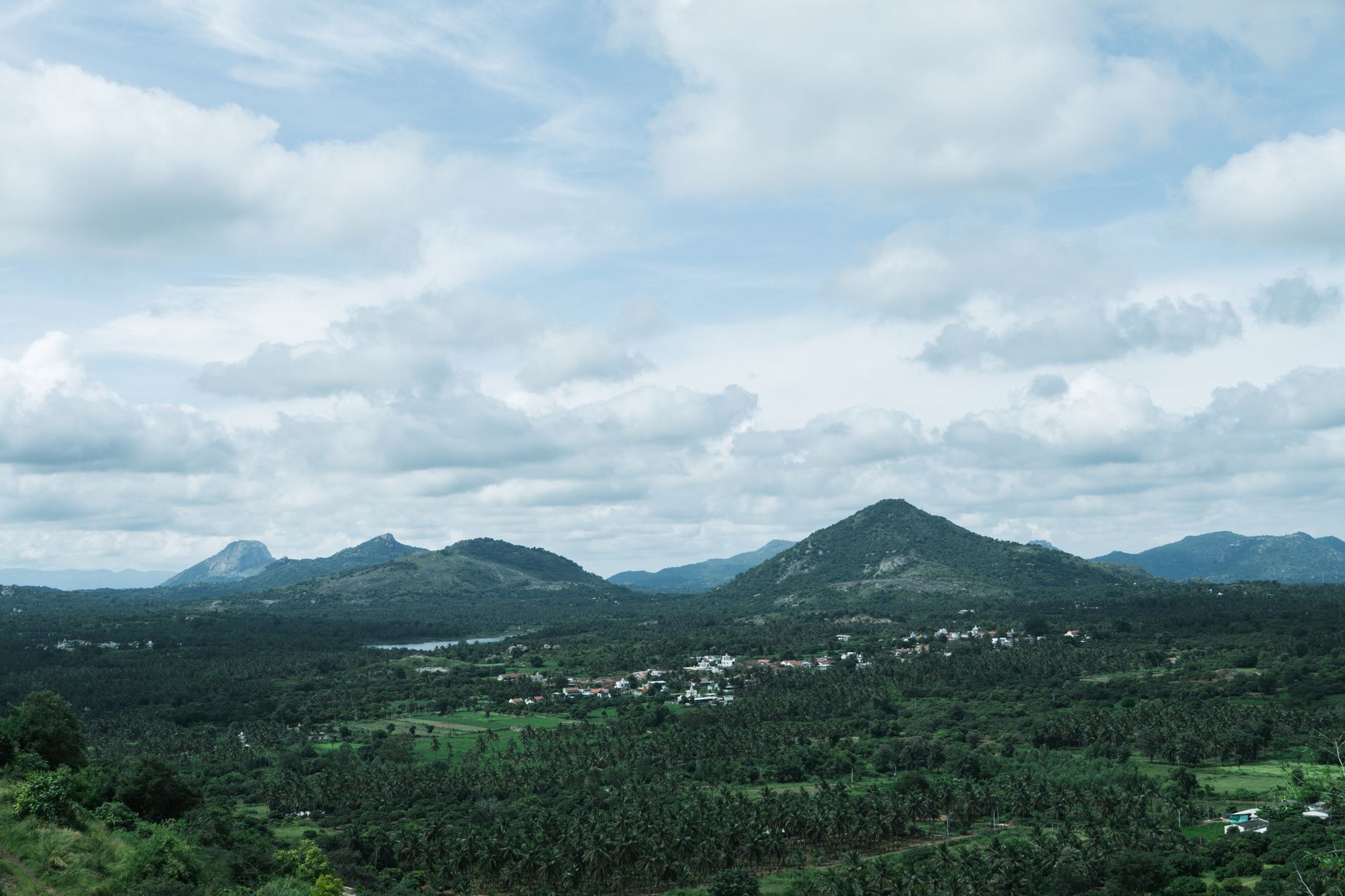
Shivamogga in Monsoon: What to Expect
Monsoon in Shivamogga (June–September) turns the Western Ghats into a soaked, verdant expanse. Heavy rains arrive reliably. Jog Falls and Linganamakki Dam swell dramatically. Roads flood in low-lying zones. Humidity climbs past 80%. If you time it right—late July through early September—you'll catch the best of lush scenery without the worst water damage. Come prepared with waterproofs, flexible plans, and patience.
When Does Monsoon Hit Shivamogga?
Southwest monsoon arrives around 1 June and exits by late September. Peak rainfall hits July and August. Daily downpours are standard. June and early July are the wettest and most disruptive for travel. Late July through September see sustained rain but fewer flash-flood incidents.
Check the India Meteorological Department forecast before booking. Temperature ranges 20–28°C. Humidity sits at 75–85% consistently.
Related: Karnataka in September: Weather, Where to Go and What to Expect
See also: Karnataka in February: Weather, Where to Go and What to Expect
Related: Coorg in Monsoon: What to Expect
What Roads and Transport Look Like
NH44 (Bengaluru–Goa highway) remains open but experiences delays during heavy bursts. Local roads to waterfalls (especially Jog Falls approach) are prone to minor washouts and slippery surfaces. The route to Sakrebyle via forest roads can be impassable after sustained downpour. Travel time increases by 20–40 minutes on main routes.
Public buses run regularly but schedules slip frequently. Driving yourself is safer—better control on wet roads. Avoid travel during afternoon peak rainfall (2–5 p.m.). Early morning departures minimise delays.
Waterfall Conditions and Best Timing
Jog Falls flows at 200–300 feet during peak monsoon. The sight is raw and powerful, but viewing platforms become slippery. Linganamakki Dam's spillways create a spectacle. Sharavati River swells dramatically.
Visit waterfalls between 7–10 a.m. Water levels drop slightly by late morning as inflow stabilises. Avoid 11 a.m.–3 p.m. when the sun's heat and fresh upstream runoff create dangerous currents and spray. Wear non-slip shoes and grip tight to railings. Don't stand too close; rocks are extremely slick.
Accommodation During Monsoon
Book well in advance—July and August attract nature lovers and families escaping heat. Opt for lodges on elevated terrain or with proven drainage systems.
Royal Orchid Central Shimoga (4-star, 8.8/10) offers city-centre reliability, though urban setting limits monsoon scenery appeal. Harsha The Fern Shivamogga (5-star, 8.4/10) provides solid infrastructure. Malnad Shire An Eco Resort- Shivamogga (4-star, 8.9/10) sits in countryside; verify if access roads are maintained during heavy rain.
For forest immersion with reliable setup, Jungle Lodges And Resorts- Sakrebyle Elephant Camp (3-star, 9.2/10) is strong—they manage elephant care in wet seasons and maintain logistics. Ask about the condition of approach roads before confirming.
Budget stays like Green View Clarks Inn, Shimoga, Karnataka (3-star, 7.8/10) are adequate for city stays but check room insulation against moisture.
What Clothes and Gear to Pack
Waterproof jacket (non-negotiable). Full-length water-resistant trousers. Quick-dry shirts. Closed shoes with good grip—not sandals. Lightweight pullover for air-conditioned spaces (temperature swings are sharp). Hat or cap to shield eyes from spray. Waterproof bag for phones and documents. Compact umbrella (large ones catch wind on forest paths).
Bring a change of clothes in your day pack. Moisture causes fungal issues fast; change out of damp clothes immediately after activities.
Activities and Realistic Expectations
Trekking is possible but muddy and slow. Sakrebyle forest trails are navigable but visibility is reduced by low cloud cover. The upside: it's quiet, leeches are manageable with salt, and the green is unmatched. Wildlife spotting improves (bison, monkeys, birds are more active in rain). Photography enthusiasts love the moody light.
Waterfalls dominate monsoon itineraries. Dam viewing is good but less photogenic (spillway spray obscures vistas). Fishing and boating on rivers are often restricted due to high water. Confirm activity availability with your lodge or local guides one day ahead.
Cultural sites (temples, museums) are unaffected by rain and less crowded. Bhadra Wildlife Sanctuary visits depend on forest department clearance—call ahead.
Health and Safety Considerations
Leech bites are common. Salt, insect repellent, or tiger balm applied to socks work. Don't scratch bites; infection risk is high in humidity. Waterborne illnesses spike during monsoon. Drink bottled water only. Avoid salads from street vendors.
Mosquito-borne fevers (dengue, chikungunya) occur. Use repellent, wear long sleeves at dusk. Minor injuries (scrapes, cuts) from slippery terrain worsen quickly; carry antiseptic wipes and bandages.
Roads flood unexpectedly. Don't cross flooded stretches. Landslides are rare but possible on steep hill routes. Avoid travel if heavy rainfall is forecast for your travel day.
Best Time Window for Monsoon Travel
Late July to early September balances drama with safety. June and early July are wet and chaotic. Mid-August can bring brief dry spells that lower waterfall impact. September experiences lighter rain but is still green.
For a 3–4 day trip, aim for late July or August with a weather forecast checked 5 days before departure. Flexibility is essential—be ready to shorten or reschedule if warnings are issued.
Cost Implications
Hotels charge 10–20% premium during July–August. Waterfall tours are standard price but may include waiting time if paths are cleared after recent slides. Fuel costs rise slightly due to slower speeds on wet roads. Food prices remain stable.
Book transport and lodging by late May or early June for monsoon dates.
Getting to Shivamogga
Bengaluru–Shivamogga: 255 km via NH44, 5–6 hours in dry season, 6.5–7.5 hours in monsoon. Avoid 2–5 p.m. travel. Mysuru–Shivamogga: 175 km, 4–5 hours; this route is hillier and slightly riskier in heavy rain.
Read more on best time to visit Shivamogga and planning your Shivamogga trip.
FAQ
Is Shivamogga safe to visit during monsoon? Yes, if you're careful. Heavy rain and slippery terrain are the main hazards, not emergencies. Avoid travel during rainfall peaks, choose elevated lodges, and use common sense on trails. Tourist sites manage monsoon traffic routinely.
Will Jog Falls definitely flow well in August? Almost certainly. August is peak discharge. Expect 200+ feet flow. However, heavy cloud cover may obscure distant views. Late July and early September are more reliable for clear visibility combined with good flow.
Can I hire a local guide for monsoon trekking? Yes. Ask your lodge or contact Shivamogga Tourism. Local guides know safe routes, leech-control tricks, and current landslide status. Cost is typically ₹800–1,500 per day. Essential for forest treks; optional for waterfall visits.
What's the likelihood of road closures? Minor closures (2–6 hours) happen 2–3 times during July–August on district roads. NH44 rarely closes fully. Always check local news or call your hotel before setting out. Having a flexible itinerary is your best insurance.