Karnataka in September: Weather, Where to Go and What to Expect
September is monsoon's final bow in Karnataka. The Ghats are emerald-green, waterfalls thunder with force, and the air smells of wet earth and petrichor. But it's also humid, unpredictable, and roads in remote areas can become treacherous. If you're willing to embrace the wet season's raw beauty and don't mind cancelled plans, September offers solitude and landscape magic that dry months simply can't match.
What's the Weather Really Like?
September sees average rainfall of 200–300 mm across coastal and Ghats regions, though this varies sharply by location. Coastal areas and the Western Ghats remain saturated; inland Bangalore and Mysore are drier but still damp. Temperatures hover between 20–28°C in hill stations and 25–32°C in plains. Humidity sits at 75–85%, making even cool mornings feel sticky.
The honest trade-off: you'll experience spectacular green landscapes and empty trekking trails, but expect afternoon downpours, slippery paths, leeches at altitude, and occasional road washouts. Cloud cover is near-constant, so sunrise and sunset views are rare.
Related: Mysore in Monsoon: What to Expect
See also: Karnataka in February: Weather, Where to Go and What to Expect
See also: Shivamogga in Monsoon: What to Expect
Which Regions Are Actually Worth Visiting?
The Western Ghats: Monsoon's Masterpiece
The Ghats are at their most dramatic. Jog Falls, Sharavathi River, and Unchalli Falls roar at full volume. The Chikmagalur coffee region smells intoxicating—rich earth, wet vegetation, and coffee drying racks creating an almost syrupy aroma. Trekking is possible but demands caution: trails become muddy, visibility drops, and leeches are present at 1000m+ elevations.
Best for: experienced trekkers, photographers capturing monsoon drama, coffee estate walks (morning is essential to beat afternoon rain).
Avoid if: you want reliable clear-sky photography, need flexible day plans, or dislike hiking in mud.
Coorg: Lush, But Saturated
Coorg remains green and dramatic, with mist clinging to hills and spice plantations swollen with moisture. Waterfalls around Iruppu Falls and Abbey Falls are powerful. The coffee estates smell rich and feel primordial under the clouds. However, September is the wettest month; expect daily downpours and limited driving visibility.
Best for: plantation walks (morning only), waterfall visits, solitude-seeking travellers.
Trade-off: roads to higher elevations become questionable; trekking requires guides and experience.
Mysore and Surrounding Areas: Wetter Inland Option
Mysore and Ooty (just across the border) are less waterlogged than coastal regions but still receive significant rainfall. The Nilgiris around Ooty offer cooler temperatures (15–22°C) and greener trekking, while Mysore remains accessible for palace visits, markets, and day excursions to Brindavan Gardens and Srirangapatna.
Best for: cultural tourism combined with nature, as rainfall is distributed rather than intense.
Advantage: more reliable daily schedules than the Ghats.
Bangalore: Surprisingly Reasonable
Bangalore receives moderate September rainfall (100–150 mm) and sits at 920m elevation, making it relatively cool (21–28°C) and less swampy than coastal zones. It's ideal as a base for day trips rather than a destination itself, though the surrounding areas—like Nandi Hills and Lepakshi—become intensely green.
September Activity Guide: What Actually Works?
Morning plantation and estate walks: Essential. The first 4–5 hours after dawn are typically dry or drizzly, before afternoon downpours. Coffee, spice, and cardamom estates are most atmospheric in morning mist.
Waterfall visits: Jog, Iruppu, Abbey, and Unchalli are at peak flow. Arrive early, respect river currents, and never attempt swimming—water moves fast and visibility is poor.
Short forest treks (under 3 hours): Possible with sturdy waterproof boots, gaiters, and a guide who knows the terrain. Longer treks are risky due to slippery rocks, stream crossings, and getting lost in mist.
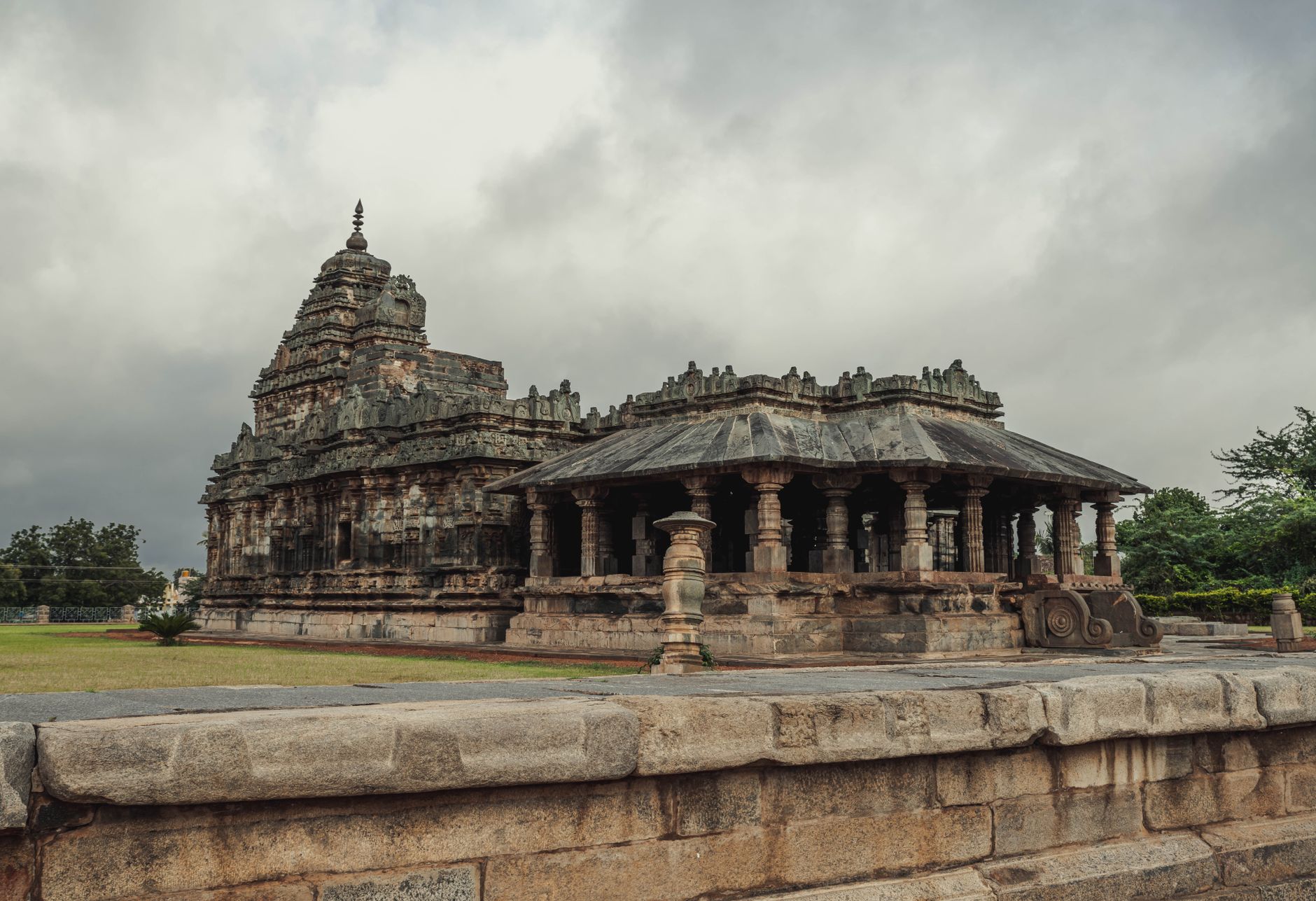
Cultural and temple visits: Unaffected by weather. Mysore Palace, Ranganathittu Bird Sanctuary, and ancient temples around Srirangapatna are excellent.
Avoid: multi-day high-altitude treks, wildlife spotting (animals shelter during rain), photography-focused tours expecting clear skies.
Practical Seasonal Considerations
Leeches and insects: Present in all forested areas above 800m. Wear long socks, apply salt or insect repellent, and remove carefully—never pull directly.
Road conditions: Main highways (NH44, NH48) are well-maintained, but estate roads and smaller routes toward waterfalls can become impassable. Check local conditions before setting out; cancellations are common.
Accommodation and bookings: September tourism is 50–60% quieter than peak season. Hotels offer lower rates, and you'll find genuine local hospitality rather than rushed service. However, some smaller estate homestays close during monsoon.
River crossings: Flash floods are rare but possible. Never attempt to cross swollen streams; always wait or find alternative routes.
September vs Other Monsoon Months
July–August: Heaviest rainfall, frequent landslides, roads less reliable. Go only for dedicated monsoon experience.
September: Rainfall begins to tail off; landscapes remain vivid; fewer tourists and competitive prices. A sweet spot if you're flexible.
October (early): Transition month—some areas still rainy, others clearing. Unpredictable but sometimes brilliant.
Best Destinations Ranked for September
- Coorg – peak waterfall power, stunning coffee estates, dramatic mist
- Chikmagalur – coffee region at its greenest, accessible altitude, manageable rainfall
- Ooty area – cooler temps, reliable trekking, misty landscape drama
- Mysore day trips – cultural tourism unaffected, surrounding areas vivid
- Jog Falls area – highest waterfall drama, but requires patience and flexibility
Final Verdict
September rewards those who embrace uncertainty. You're trading guaranteed sunshine and reliable schedules for mist-wrapped forests, roaring waterfalls, and landscapes so green they seem unreal. Roads can disappoint, plans will shift, and you'll need good waterproofs and humility. But you'll have trekking trails nearly to yourself, coffee that smells like the earth itself, and a sense of Karnataka's raw, untamed character.
Go if you love adventure more than comfort. Skip if you need certainty and clear-sky photography. Consider early September (1st–15th) over late September, as weather begins stabilizing.
FAQ
Is September safe for trekking in Karnataka? Yes, with conditions. Stick to lower-altitude, shorter treks (under 4 hours) with local guides. Wear proper gear—waterproof boots, gaiters, long trousers—and check weather before leaving. High-altitude multi-day treks are risky due to mist, slippery rocks, and stream crossings.
Will I see wildlife or clear skies for photography? Unlikely. Animals shelter during rain, and cloud cover is near-constant. Go for dramatic monsoon imagery—waterfalls, mist, wet foliage—rather than landscape or wildlife shots.
Are hotels and estates open in September? Most are, though rates drop 30–40% below peak season. Some small family-run homestays close temporarily. Book ahead, confirm operating status, and avoid expecting peak-season service levels—staff may be minimal.
What's the best time to visit during the day? Early morning (6–11 am) is driest. Afternoon downpours are almost guaranteed by 2–3 pm. Plan outdoor activities for dawn and mid-morning; use afternoons for indoor activities or rest.