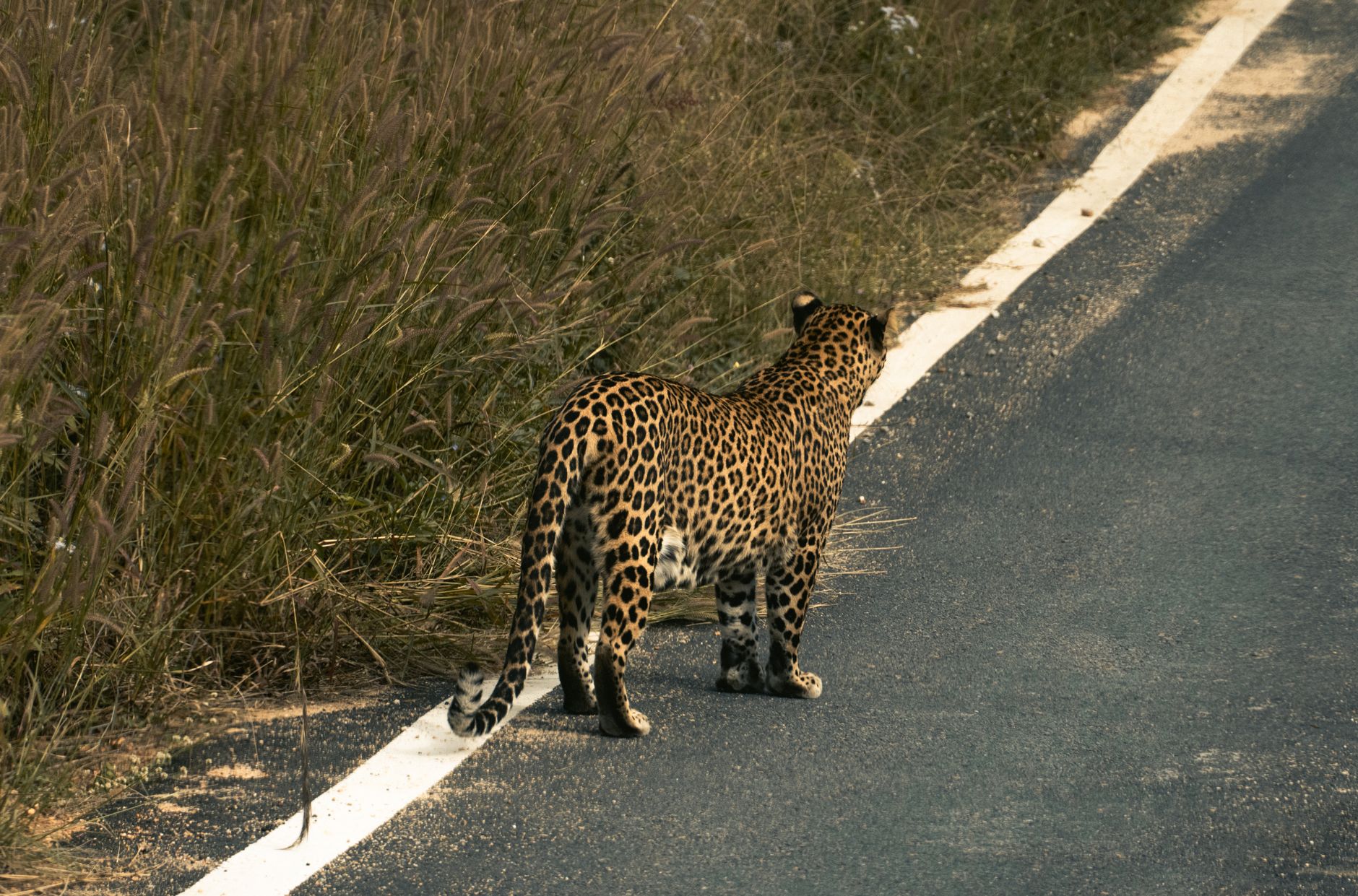
Bandipur in Monsoon: What to Expect
Bandipur during monsoon (June–September) is a genuinely wild experience—mist clings to the Nilgiri slopes, forests glow emerald, and wildlife emerges in abundance. But it's not the season for casual visits. Heavy rain, slippery roads, and intermittent closures are real. Rewards: lush serenity, dramatic animal activity, and far fewer tourists crowding the trails.
When Exactly Does Monsoon Hit Bandipur?
The Southwest monsoon arrives in early June and typically sustains through mid-September. July and August are the heaviest months, with daily afternoon downpours and occasional all-day rain. June and September are lighter but still wet—a reasonable middle ground if you want forest greenery without the intense precipitation.
Road Conditions and Accessibility
This is the crucial detail: monsoon roads in Bandipur can be treacherous. The ghat sections between Ooty and Bandipur become slick, landslides occasionally block routes, and the highway administration sometimes enforces temporary closures during heavy spells. Journey times stretch by an hour or more.
Related: Sirsi in Monsoon: What to Expect
See also: Karnataka in February: Weather, Where to Go and What to Expect
Related: Best time to visit Mysore: month-by-month
If you're driving from Bangalore or Mysore, plan extra buffer time. Heavy vehicles and buses face restrictions on certain days. Public transport (buses) runs but delays are frequent. If you're flying in or have a tight schedule, monsoon isn't your season.
What the Weather Actually Feels Like
Expect cool, damp mornings (around 12–15°C) and warmer afternoons (18–22°C)—much cooler than Bandipur's dry season heat. Rain isn't constant; mornings are often clear or misty, with rain arriving mid-afternoon. Humidity is thick year-round, but monsoon adds a primal dampness to the forest floor that's intoxicating if you love that earthy smell of wet earth and leaf litter.
Mist rolling off the Nilgiris creates stunning photography light (and near-zero visibility seconds later). Pack waterproofs you'll actually use, not just optimistic hopes.
Wildlife: The Peak Season
Months of water scarcity disappear. Streams flow full, grass grows lush, and animals don't cluster around water sources. This sounds ideal, but it actually makes spotting wildlife harder—they're dispersed across a verdant landscape rather than concentrated at drying waterholes.
That said, birdwatching is exceptional. Resident and migratory species are most active during monsoon, and the forest soundscape is extraordinary: calls, rustling, the constant percussion of rain.
Jeep safaris still operate (most days), but guides will tell you sightings are less predictable than dry-season visits. If you're visiting for wildlife, dry season (November–May) is genuinely more reliable. Monsoon is for those who value the experience over a guaranteed sighting checklist.
Accommodation During Monsoon
Most resorts stay open, but book ahead—some close for maintenance during lighter-traffic months. Quality options include The Windflower Jungle Resorts & Spa Bandipur, which handles monsoon well with proper drainage and indoor spaces, and Jungle Hut, Masinagudi (9.4/10 rating), which offers intimate forest immersion with reliable facilities.
Tranqville Resorts and Tiger Paw Resort are solid mid-range choices that operate confidently through the season. If you want a lighter-touch stay, Whispering Willows - A Wandertrails Showcase captures the forest experience authentically.
Verify before booking: some smaller properties restrict monsoon bookings or offer minimal activity options. Ask explicitly about road access and what happens if rain blocks your exit.
Activities and Practical Reality
Jeep safaris: Still available, but cancellations happen if roads deteriorate. Book flexibility into your plans.
Trekking: Most forest trails become muddy streams. Slips are real. If you're an experienced trekker with proper boots, early-morning walks can be magical. Casual walkers should stick to resort grounds.
Village visits and local experiences: Often more engaging because tourists are scarce. Local guides are genuinely warm and unhurried.
Photography: Moody, misty light is extraordinary. Bring extra memory cards and waterproof bags for gear.
Birdwatching: Peak season. Bring binoculars, a field guide, and patience.
Is Monsoon Worth It? A Honest Comparison
Visit Bandipur in monsoon if you:
- Love solitude and atmospheric landscapes
- Are an experienced trekker or keen birder
- Have flexible plans and aren't on a tight schedule
- Don't mind unpredictable weather or occasional disruptions
- Want to experience the forest in its wettest, most primordial state
Skip monsoon if you:
- Want reliable wildlife sightings
- Are visiting with young children
- Have limited time and need guaranteed access
- Prefer warm, dry days
- Are driving a rental car and nervous about mountain roads
For most first-time visitors, dry season (November–March) is genuinely better. Monsoon suits return visitors or those prioritising forest immersion over itinerary certainty.
Planning Your Monsoon Visit
Before you book:
- Check weather forecasts at least a week ahead; book hotels with cancellation policies
- Confirm road status with local transport authorities
- Reserve jeep safaris with operators who'll reschedule reliably
- Pack extra days as a buffer
What to bring:
- Waterproof jacket and trousers (not ponchos—you need mobility)
- Waterproof bag for camera/phone
- Sturdy, water-resistant trekking boots
- Quick-dry clothing
- Umbrella (for shelter, though roads can be hazardous in heavy rain)
- Medications for any damp-weather ailments
Duration: Plan at least 3–4 days. Two-day trips feel rushed; weather delays compound in short windows.
For more detail on Bandipur's geography and year-round rhythm, see Bandipur's best time to visit. If you're comparing the wider region, Ooty's monsoon experience offers a nearby alternative with slightly different climate dynamics.
FAQ
Q: Will my hotel definitely stay open during monsoon? A: Most established resorts remain open, but confirm before booking. Ask specifically about emergency road closures, activity cancellations, and refund policies.
Q: Is it safe to drive to Bandipur in monsoon? A: Safe if you're experienced on ghat roads and driving an appropriate vehicle. Rental cars are riskier; hire a taxi or driver familiar with the route. Check road status on your travel date.
Q: Will I see tigers or leopards during monsoon? A: Less reliably than dry season. Water is plentiful, so animals disperse widely. Wildlife presence is real, but sightings are opportunistic rather than probable.
Q: What's the absolute best lodge to stay in during monsoon? A: Jungle Hut, Masinagudi (9.4/10 from 165 reviews) is the highest-rated option and handles monsoon conditions exceptionally. LABDHI RESORTS STAG GROUPS NOT ALLOWED (9.2/10) also scores very highly and offers good value.