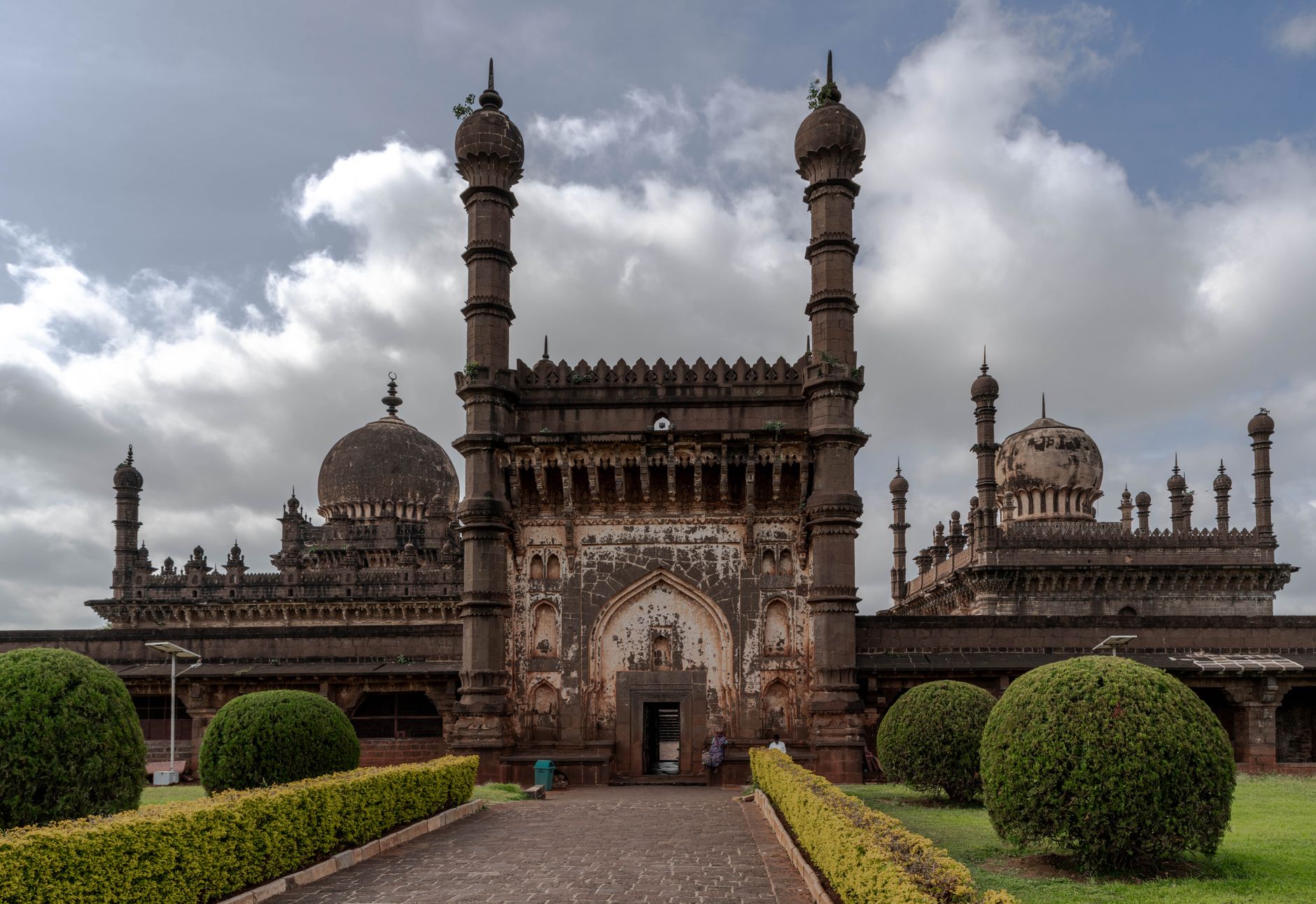
What to expect in Vijayapura during monsoon
Monsoon arrives in Vijayapura around early June and peaks in July–August. Rainfall averages 600–800 mm over four months. Streets waterlog within hours after heavy downpours. Humidity climbs to 70–85%. Temperatures stay moderate (22–28 °C), but sticky conditions make walking uncomfortable. Road surfaces deteriorate; potholes deepen. Some heritage sites and outdoor attractions close or limit access. Tourist footfall drops 40–50%, so hotel rates fall 20–30% and crowds thin considerably.
When does monsoon actually hit Vijayapura?
June sees the onset; expect sporadic, heavy afternoon showers. July and August are wettest—prepare for relentless rain, sometimes all day. September tapers off but remains damp. The window between late August and mid-September offers the best balance: less continuous rain, still affordable, landscapes still green.
Which roads and routes stay passable?
NH-48 (highway to Bengaluru, 260 km south) remains open but becomes slippery and prone to brief closures after intense rain. Local roads within Vijayapura city clog with water after 20–30 minutes of downpour; navigate slowly and avoid low-lying stretches near old bazaar areas. Roads to nearby Almatti Dam (45 km west) stay functional except during extreme weather. Plan travel for early morning; afternoon showers can trap you for 1–2 hours.
Related: Best Time to Visit Bengaluru: Month-by-Month Guide
See also: Karnataka in February: Weather, Where to Go and What to Expect
See also: Karwar in Monsoon: What to Expect
Can you visit the main attractions?
Open (accessible with caution):
- Vijayapura Fort (central): Slippery stone surfaces; wear non-slip shoes. Water pooling in courtyards. Still visitable, fewer tourists.
- Gol Gumbaz: The dome structure itself is weatherproof; interior remains open. Pathways muddy; stairs can be treacherous when wet.
- Ibrahim Roza: Accessible but waterlogged gardens. Photography challenging due to grey skies and spray.
- Almatti Dam and reservoir: Scenic but risky; viewing areas close if water levels rise sharply or spillways open.
Temporarily restricted or unreliable:
- Outdoor trekking or village walks: Heavy rain can trigger flash flooding in gullies; local guides often refuse to lead during peak downpour.
- Boat rides on Krishna River: Cancelled if water is too fast or murky.
- Excavation sites or archaeological zones: May close if sites become unsafe or waterlogged.
Check with local authorities or hotel concierge before visiting; closures change week to week.
Which hotels handle monsoon best?
Prioritise properties with strong drainage, backup power, and reliable wifi (internet helps when you're confined indoors). VOV Hotels Vijayapura a part of Shubhashree group (8.6/10, 523 reviews) and The Fern Residency Vijayapura (8.6/10, 213 reviews) both score well and have modern infrastructure. Pravasa Hotel Vijayapura (9.1/10, 82 reviews) is a 4-star option with better backup systems. Hotel Unnati Stay Inn Vijayapura By HRG (8.8/10, 88 reviews) offers solid comfort at mid-range rates.
Budget travellers: KSTDC Hotel Mayura Adilshahi Bijapur (8.5/10, 80 reviews) is reliable and state-run, so it rarely closes.
Avoid ground-floor rooms near storm drains. Confirm generator capacity during booking—power cuts of 2–4 hours are common.
What should you pack and prepare?
- Clothes: Quick-dry shirts and trousers, light waterproof jacket (not a heavy raincoat; humidity makes it suffocating). Moisture-wicking socks and indoor shoes.
- Footwear: Non-slip sole trainers or hiking boots. Sandals get waterlogged; flip-flops are dangerous on wet stone.
- Gear: Compact umbrella (not useful in sideways rain, but helps), waterproof bag for camera/phone, microfibre towel.
- Medications: Antibiotic ointment for cuts (fungi thrive in damp), anti-diarrhoeal tablets (water quality drops in monsoon), antihistamine (mould allergies spike).
- Power: Power bank or extension leads; outlets become unreliable. Backup chargers.
How do costs and crowds compare?
Hotel rates drop 20–30% versus summer (April–May). A 3-star room falls from ₹3,000–4,000 to ₹2,200–2,800. Flights and buses are half-empty; booking a day ahead is often enough. Restaurant prices hold steady, but some eateries reduce operating hours or close Sundays during heavy rain.
Tourist numbers are lowest: you can walk Gol Gumbaz alone, a rarity in peak season.
Best time window within monsoon?
Mid-September to early October is optimal. Rain frequency drops to 2–3 showers per week. Foliage remains lush. Humidity falls to 60–70%. Road conditions improve noticeably. Most sites reopen fully. Rates remain discounted. This is the sweet spot for a monsoon visit to Vijayapura.
Health and food safety tips
Drink bottled or boiled water only. Street food hygiene declines in wet weather—stick to established restaurants inside hotels. Wash hands before eating; bacteria flourish on damp surfaces. Avoid seafood if travelling inland (supply chains break; freshness suffers). Mould grows fast on shoes and bags; air them out daily or dry with a cloth. If you develop cough or fever, visit a clinic immediately; respiratory infections spike in monsoon.
FAQs
Is monsoon a bad time to visit Vijayapura? Not if you're flexible and self-sufficient. Expect disruptions, reduced hours, and weather-related cancellations. But you'll save money, avoid crowds, and see the city in a different light. Families with young children or those on tight schedules should avoid.
How often do roads flood? Major highways (NH-48) rarely flood. City roads and approach roads to heritage sites waterlog for 1–2 hours after heavy rain, then drain within 3–4 hours. Plan journeys between 6 and 10 a.m. or after 5 p.m. to minimise risk.
Do hotels offer discounts for multi-night monsoon stays? Most do, especially for 5+ nights. Ask at booking or call directly. Walk-in negotiation is effective; occupancy is low, and managers are motivated to fill rooms.
What's the one thing you absolutely shouldn't miss despite the rain? Gol Gumbaz at dawn (6–7 a.m.). Early morning rain clears by sunrise; light through clouds is magical. Bring a windproof jacket and go immediately after breakfast.
Read more: Best time to visit Vijayapura | Where to stay in Vijayapura | Things to do in Vijayapura