Karwar in Monsoon: What to Expect
Karwar transforms during monsoon into a dramatically different landscape—dramatic skies, thundering seas, and verdant hillsides replace the dry season's bright clarity. Expect heavy rainfall, rough waters unsuitable for swimming, but also significantly fewer tourists, lower accommodation prices, and an intimate glimpse of how the coastal town genuinely functions beyond the tourist season. If you travel here expecting beach lounging, you'll be disappointed; if you're seeking moody coastal atmosphere and genuine local rhythms, you'll find something truly worth experiencing.
When does monsoon arrive and how intense is it?
The Southwest monsoon typically arrives in Karwar around late May or early June, building gradually through July and August before beginning to withdraw in September. The period from mid-June through August represents peak monsoon intensity, when rainfall can exceed 200mm in a single week and atmospheric pressure drops noticeably. The months of June and September sit at the periphery—still very much monsoon, but with slightly more predictable weather patterns and occasionally clearer mornings before afternoon downpours arrive.
Unlike inland areas where monsoon rains come in discrete afternoon bursts, coastal Karwar experiences a more sustained dampness. You'll see continuous drizzle punctuated by heavy downpours rather than the neat pattern of "morning sunshine, afternoon rain, evening clear skies" that characterises many hill stations. This means your activities must genuinely adapt, not simply shift a few hours.
Related: Karnataka in January: Weather, Where to Go and What to Expect
See also: Karnataka in February: Weather, Where to Go and What to Expect
Related: Udupi in monsoon: what to expect
What happens to the beaches and water?
The Arabian Sea becomes genuinely rough during peak monsoon, with waves reaching 3-4 metres regularly and undercurrents turning treacherous. Officially, all beaches close to swimming, and this restriction exists for legitimate safety reasons rather than bureaucratic caution. The sand itself often shifts and erodes, with some sections disappearing entirely under water during spring tides combined with monsoon swells.
That said, the visual drama is extraordinary—standing at the cliff edge above Karwar's beaches during a storm, watching waves crash against rocks with tremendous force, carries an intensity that sunny season visits simply cannot match. Photographers and those who simply want to feel the raw power of the ocean find this period compelling, though it requires respecting the water's genuine danger rather than treating it as scenery.
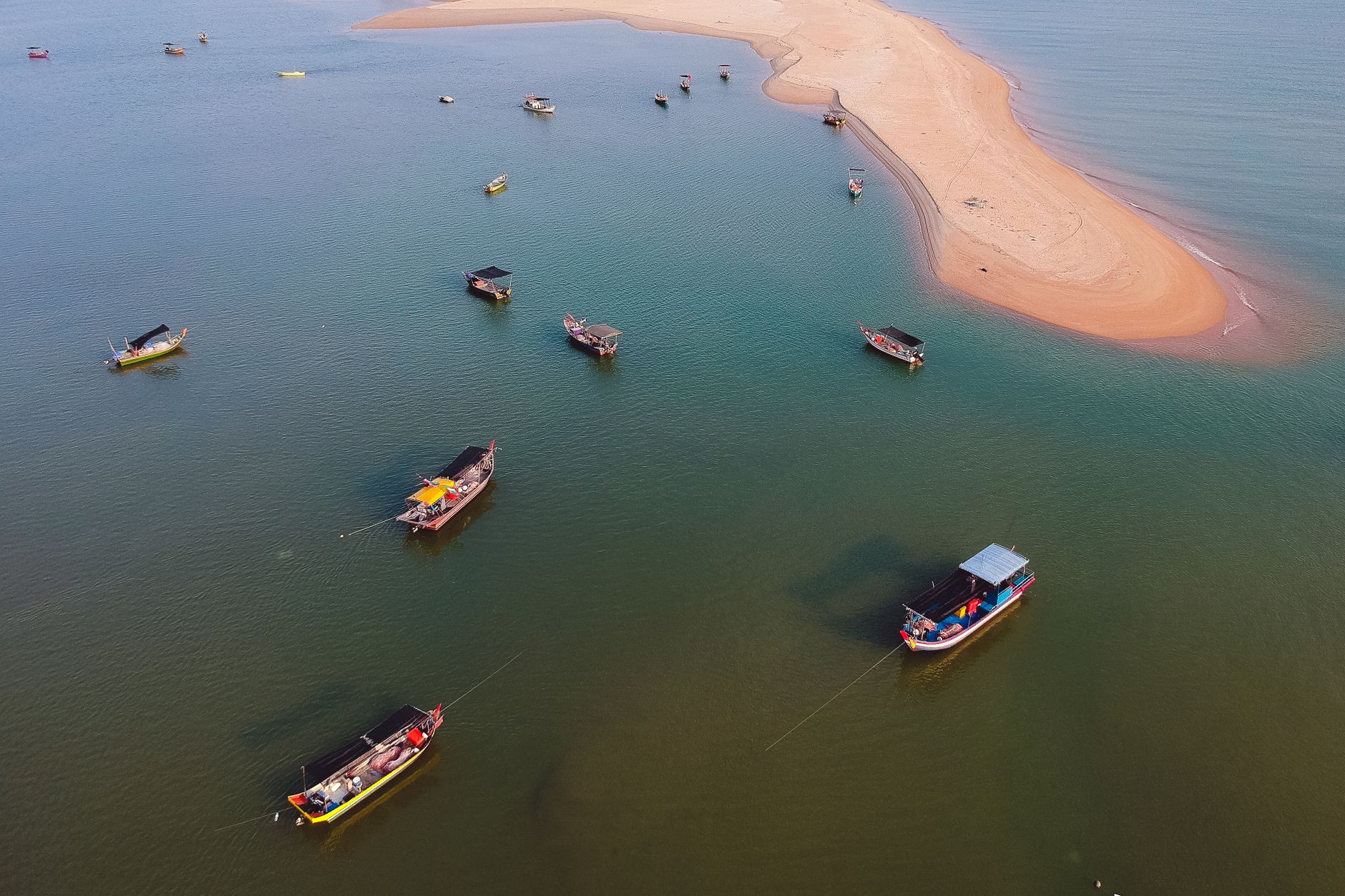
The beaches themselves transform into working spaces: fishermen launch traditional boats with remarkable skill despite the conditions, local communities dry fish and repair nets, and the entire economy of the coast becomes visible rather than hidden behind tourist activities.
How does rainfall affect getting around?
Roads remain passable, though the NH-66 (formerly NH-17) occasionally experiences minor waterlogging in low-lying sections, typically clearing within hours. The bigger practical issue is visibility and road conditions on the ghat sections leading towards the Western Ghats—winding mountain roads become slick and visibility drops significantly during heavy downpours, making travel slower and requiring careful driving.
Within Karwar town itself, drainage is reasonably functional, though some areas near the seafront or in older neighbourhoods can develop puddles and temporary flooding during the heaviest spells. Autorickshaws and taxis continue operating, but journeys take longer due to cautious driving speeds and occasional diversions around waterlogged stretches.
The practical recommendation: don't plan tight itineraries that depend on covering large distances during peak monsoon. Build in buffer days, expect journeys to take 30-40% longer than dry season estimates, and check local weather forecasts before heading out.
Which activities actually work during monsoon?
Water-based activities essentially disappear—no beach swimming, no boat trips, no water sports. However, this creates space for genuinely different experiences. The Western Ghats surrounding Karwar become dramatically alive with flowing waterfalls, and trekking through waterlogged forest paths, whilst muddy and requiring proper footwear, reveals the region's genuine ecology rather than its dry season skeleton.
Local culture becomes more accessible: you'll find fishermen repairing boats and nets, women working in fish-drying operations (though this continues year-round, the pace and visibility shift), and the town's authentic rhythms operating without the dilution of tourist season bustle. Visiting local markets, particularly the fish market in early morning, provides genuine insight into how Karwar actually functions.
Indoor alternatives include visiting the Sadashivgad Fort, which becomes remarkably atmospheric in dramatic weather, exploring local temples and heritage sites without crowds, and simply spending time in local tea shops and restaurants where conversation naturally flows with residents rather than following the tourist script.
Weather photography, birdwatching (migratory species arrive with monsoon fronts), and exploring the town's history become genuinely compelling activities rather than fallback options.
What about accommodation and prices?
Monsoon represents peak low season, with accommodation prices typically 40-60% below dry season rates. Properties like Sterling Karwar and Marron Sea View Resort remain fully operational and professionally maintained despite the quiet season, offering excellent value. However, availability sometimes reverses—certain properties do close during monsoon, whilst others reduce staff levels and may provide slower service, so booking ahead and confirming operations is essential.
The trade-off is straightforward: significantly lower prices in exchange for potentially interrupted service and a completely different travel experience. For budget-conscious travellers who genuinely enjoy monsoon atmosphere, this represents excellent value; for those expecting dry season comfort at lower prices, the reality proves disappointing.
Health and practical considerations
Monsoon brings increased humidity, which some visitors find uncomfortable and which can exacerbate certain health conditions. The combination of dampness and heat creates ideal conditions for fungal issues, so packing antifungal powder, keeping feet dry, and wearing breathable clothing matters practically.
Mosquitoes increase during monsoon due to standing water, so bringing effective insect repellent and wearing long sleeves during dawn and dusk serves double duty—mosquito protection and the genuine comfort factor given the cooler air. Malaria and dengue, whilst not endemic to Karwar specifically, exist in surrounding regions, so standard precautions make sense.
Diarrheal illnesses can spike during monsoon, particularly from street food or water sources—this isn't unique to Karwar but rather affects coastal towns generally. Stick to established restaurants with visible hygiene standards, drink bottled or boiled water, and avoid ice unless you're completely certain of its source.
Mental adjustment matters: continuous grey skies and rain affect mood for some travellers, particularly those expecting sunshine. Managing expectations beforehand prevents disappointment mid-journey.
When is monsoon actually worth visiting?
Consider June or early September if you want lighter monsoon conditions with less rainfall. July and August suit those specifically seeking dramatic weather and willing to accept the constraints it imposes. Avoid visiting specifically to escape crowds expecting sunny-season infrastructure—you'll find fewer tourists but also reduced services in some quarters.
The genuine appeal exists for photographers, those seeking authentic local experience, budget travellers who genuinely enjoy different seasons, and anyone specifically drawn to atmospheric coastal landscapes during dramatic weather. For conventional beach holidays, simply choose a different season; for something genuinely different from what tourism typically offers, monsoon Karwar delivers.
FAQ
Is it safe to visit Karwar during monsoon? Yes, though with practical caveats. Roads remain passable, towns function normally, and hospitals operate fully. The primary risks involve rough seas (don't swim), reduced visibility whilst driving, and standard monsoon health considerations like mosquitoes. Exercise normal caution and your monsoon visit carries no greater risk than any other season.
Will I be completely bored without beach swimming? Not if you're genuinely interested in exploring local culture, trekking, photography, or simply experiencing a different pace. If your primary purpose was beach lounging and swimming, then yes, monsoon represents poor timing. Consider visiting /karwar or /karwar/best-time-to-visit for alternative season information.
Do all hotels stay open during monsoon? Most remain open, though some smaller properties close seasonally. Always confirm directly with your chosen accommodation before booking—this matters far more during monsoon than other seasons. Major properties like Sterling Karwar maintain full operations.
Is monsoon cheaper enough to justify the weather challenges? If you're budget-conscious and genuinely interested in monsoon atmosphere or willing to adapt your activities significantly, yes. If you're expecting dry season comfort at monsoon prices, you'll feel short-changed. Be honest about your motivations before booking.