Gokarna in monsoon: what to expect
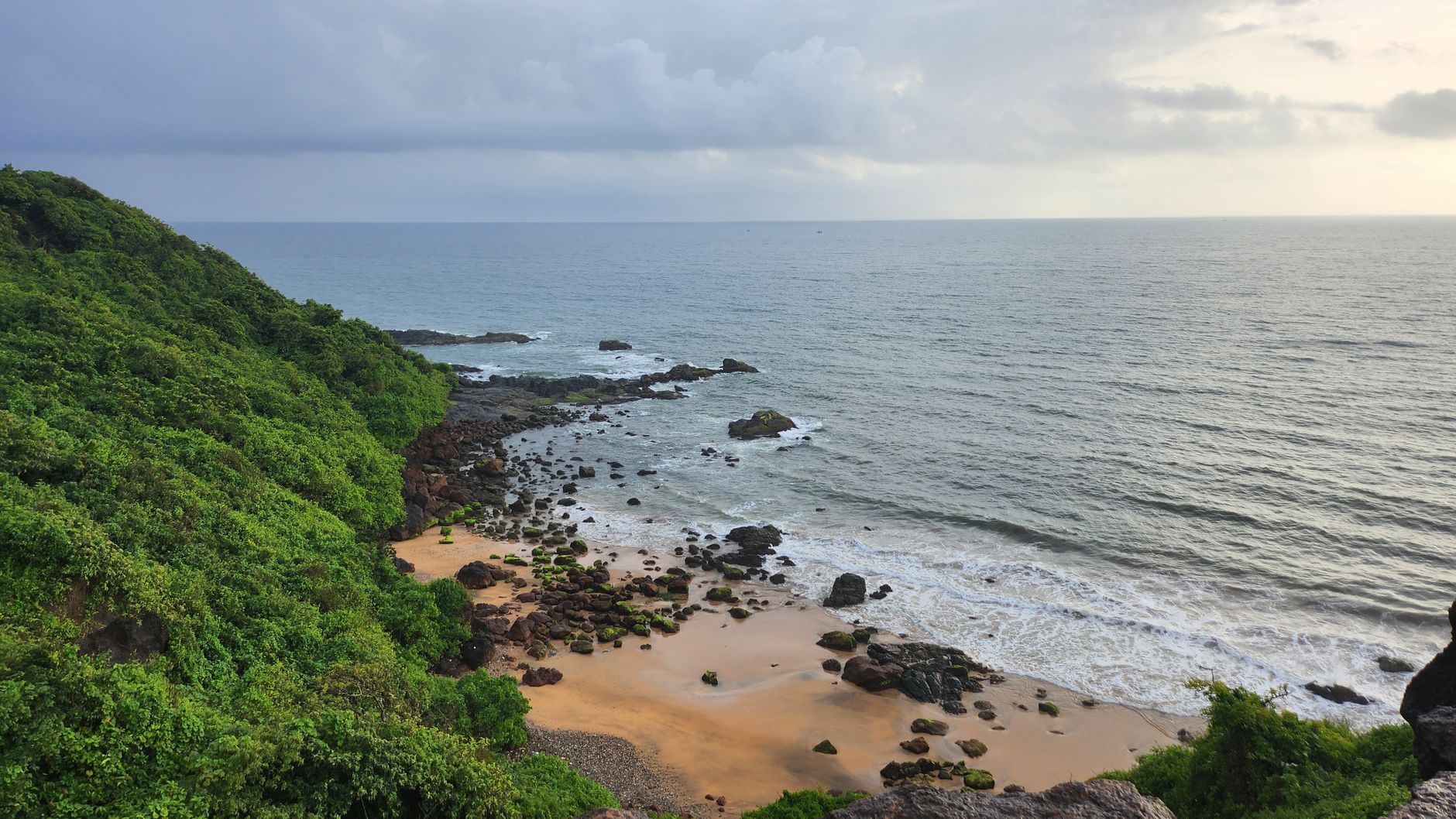
Monsoon season in Gokarna (June to September) brings relentless rainfall, swollen streams cascading down cliffsides, and an almost complete absence of tourists—transforming this coastal town from a bustling backpacker hub into a place of genuine solitude and atmospheric natural beauty. The sea turns grey and powerful, beaches are often waterlogged, and most water-based activities grind to a halt, yet those who travel during these months experience Gokarna stripped of its tourist veneer, with accommodation prices at their lowest and the landscape painted in shades of green that disappear entirely once the rains cease.
How much rain falls, and when is it heaviest?
Gokarna receives between 3,500 and 4,000 millimetres of annual rainfall, with the monsoon months accounting for the vast majority. July and August are typically the wettest, with almost continuous downpours and occasional intense storms that can last several hours. June sees the rains begin in earnest, whilst September marks the tail end of the season with more sporadic showers and clearer intervals. Expect rainfall on roughly 20 to 24 days each month, though this varies year to year. Temperatures hover around 23–28°C, making the weather humid and warm rather than cold, but the constant moisture in the air can feel oppressive if you're unaccustomed to tropical monsoons.
What happens to the beaches?
The beaches themselves become challenging to navigate during peak monsoon. Sand accumulates seaweed and debris, the water churns with sediment, and strong currents make swimming unsafe for most visitors. Paradoxically, the cliffs surrounding Gokarna's coves become extraordinarily dramatic during this period—waterfalls pour directly onto the sand, and the landscape glows with moss and vegetation. Main Beach (near the temple) remains the most accessible, though even here the experience is one of contemplation rather than recreation. If you're seeking solitude and are comfortable with wet conditions, the atmospheric reward is substantial; if you're expecting typical beach resort conditions, monsoon will disappoint.
Related: Udupi in monsoon: what to expect
See also: Karnataka in February: Weather, Where to Go and What to Expect
See also: Karnataka in September: Weather, Where to Go and What to Expect
Can you still reach Gokarna, and what about accommodation?
Roads remain open and buses continue to run from Bangalore, Goa, and nearby towns, though journeys can be slower due to waterlogged stretches and occasional minor landslips in the surrounding Western Ghats. The Konkan Railway also operates normally. Accommodation prices drop by 40–60% compared with peak season, and many budget and mid-range properties offer excellent value. Stone Wood Nature Resort, Gokarna maintains consistent quality with ratings of 8.4/10 and provides a retreat-like atmosphere during the quiet months; Ombodhi Retreat scores 8.9/10 and offers a similarly tranquil experience. Budget-conscious visitors will find The Hosteller Gokarna and Zostel Gokarna both rated above 8.0/10, making them sensible choices for monsoon stays when communal spaces and shared conversation become part of the experience. For those wanting premium comfort, SHANTIDHAM SEA VIEW COTTAGES offers 5-star standards at discounted rates, with a 9.0/10 rating from guests who specifically sought out the quieter season.
What activities actually work in monsoon?
Water sports, boat rides, and beach lounging are largely off the table. Instead, monsoon visitors engage with Gokarna differently: walking forest trails when the rain pauses, visiting the Mahabaleshwar Temple (a centuries-old pilgrimage site that draws far fewer visitors than usual), and spending time in cafés reading or working. The surrounding Western Ghats landscape is at its most lush and photogenic, and trekking to waterfalls becomes possible with proper footwear and caution—the Jog Falls viewpoint, a few hours' drive inland, is particularly dramatic during monsoon. Local food markets in the town centre are quieter, offering a genuine glimpse of Gokarna's year-round rhythm rather than its tourist-season persona. Many visitors use monsoon as a writing or working retreat, taking advantage of reliable WiFi at guesthouses like Ombodhi Retreat and Stone Wood Nature Resort, Gokarna without the constant noise and distractions of high season.
Health and practical considerations
Monsoon brings increased humidity, which can aggravate respiratory conditions or trigger fungal infections if you're not careful about keeping dry. Pack a reliable rain jacket and quick-dry clothing rather than cotton; waterproof bags for electronics are essential. Mosquito-borne illnesses like dengue fever are more common during and immediately after the monsoon, so insect repellent is important, particularly at dawn and dusk. The town's medical facilities are basic—serious illness or injury would require travel to Karwar or Mangalore—so travel insurance is advisable. Drinking water is generally safe from hotels and established restaurants, but avoid street stalls selling fresh juices unless you're confident in their hygiene practices.
Monsoon also affects food availability; fresh produce from outside the region becomes scarce, so restaurants rely more heavily on preserved items and locally grown staples. Rice, fish, and coconut-based curries dominate menus, and this dietary simplicity is often refreshing rather than limiting. Seafood, paradoxically, remains excellent and affordable, though fishing boats operate less frequently during the roughest conditions.
Is monsoon right for you?
Choose monsoon if you value solitude, lower costs, atmospheric landscape photography, and the chance to experience a coastal town as locals do rather than as tourists. Choose a different season if you require reliable beach activities, guaranteed sunshine, or if you're travelling with young children who need constant entertainment. For solo travellers, remote workers, or those seeking a contemplative retreat, monsoon Gokarna offers an experience entirely distinct from the crowded, sun-soaked months of October through May.
Visit our Gokarna page for year-round information, or explore best time to visit Gokarna for comparisons across all seasons.
FAQ
Is it safe to swim in Gokarna during monsoon? No. Strong currents, poor visibility, and powerful waves make swimming dangerous during June–September. Wading in shallow water near the shore is possible on calmer days, but even this carries risk. Stick to walking, photography, and exploring the landscape instead.
Will I definitely see rain every single day? No. Whilst rainfall is frequent and heavy, there are usually breaks of an hour to several hours between showers, especially in June and September. July and August are the most relentless. Pack a rain jacket and expect to adapt plans daily rather than follow a rigid itinerary.
Are the monsoon prices significantly cheaper than other seasons? Yes. Most accommodation costs 40–60% less than peak season (October–April). Restaurant meals, local transport, and tours all drop in price, making monsoon excellent value for budget-conscious travellers willing to accept wet conditions.
Will the roads be blocked or dangerous? Rarely. The main highway and bus routes remain open. Minor landslips and waterlogged sections occasionally slow traffic, but closures are infrequent. Allow extra travel time and avoid driving at night during heavy downpours if you're self-driving.