Bidar in Monsoon: What to Expect
Bidar during monsoon (June to September) becomes a cooler, greener destination where the city's famous fort and Sufi monuments reveal themselves against brooding skies and mist. Rainfall is substantial—expect 100–150mm in peak months—which means frequent wet patches, slippery pathways around historical sites, and the occasional afternoon when you'll retreat indoors. The upside: temperatures drop to 22–28°C, crowds thin noticeably, and the landscape transforms into something altogether different from the dusty summer version most visitors encounter.
What weather and rainfall will you actually face?
June and July bring the heaviest precipitation, often in intense afternoon bursts that last 1–3 hours. August and September remain wet but slightly drier, though mornings often start overcast and cool. You'll need waterproof footwear with solid grip—the stone floors of Bidar Fort and the courtyards around Chaubara become genuinely treacherous when wet. Humidity climbs during these months, so breathable cotton layers work better than heavy synthetics. Pack a lightweight poncho or compact umbrella rather than relying on enclosed raincoats, which trap warmth.
The fort's exterior walls remain accessible, but certain interior passages and basement areas collect water; check locally before descending into less-visited sections. Underground stepwells and cisterns, which define much of Bidar's medieval engineering, are worth seeing but approach cautiously on wet days.
Related: Karnataka in October: Weather, Where to Go & What to Expect
See also: Karnataka in February: Weather, Where to Go and What to Expect
See also: Kalaburagi in Monsoon: What to Expect
Why does monsoon actually suit Bidar differently than other seasons?
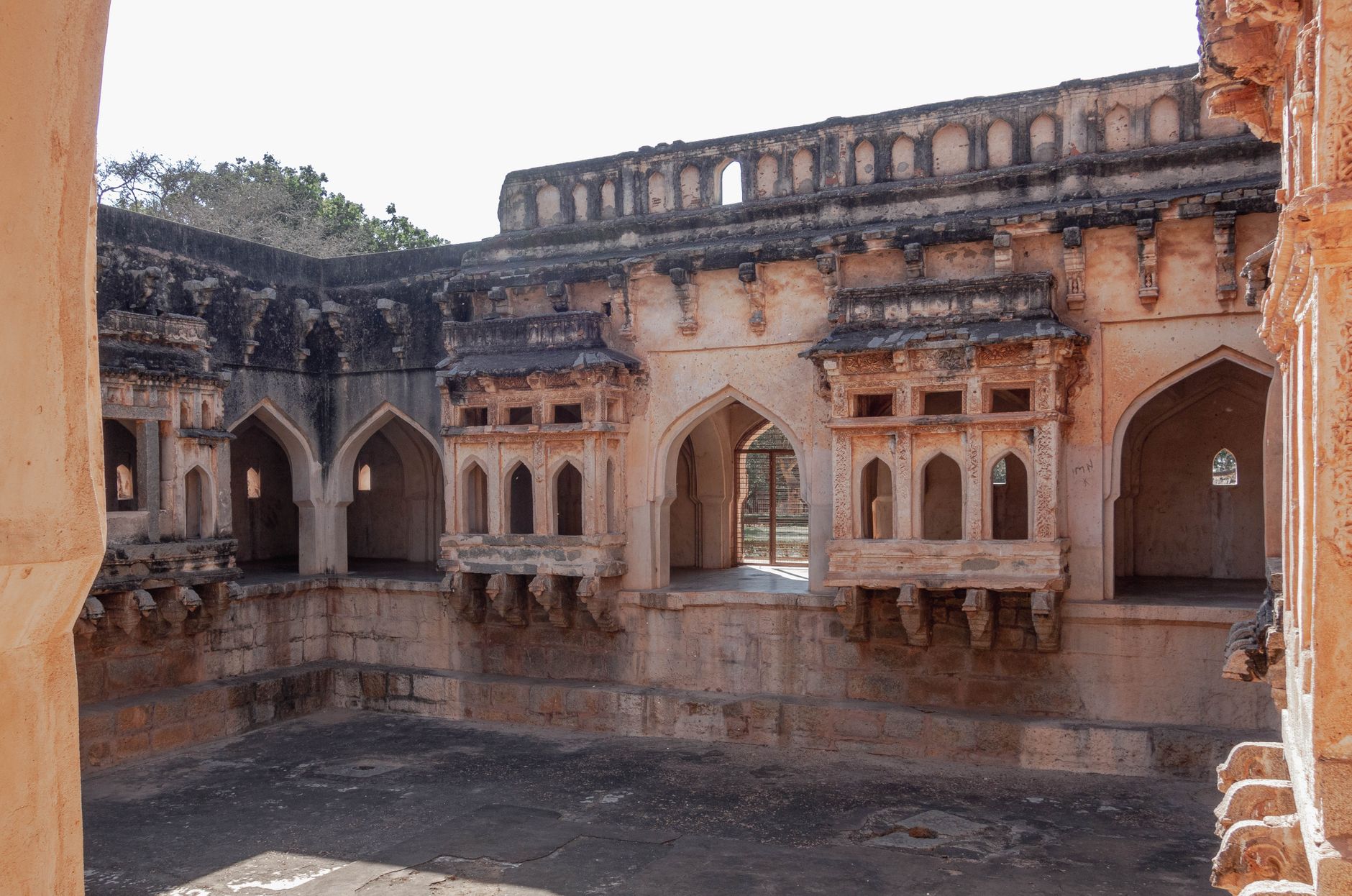
Bidar's architectural heritage—from the 15th-century fort to the intricately carved Bahmani tombs—reads differently under grey skies. The minarets of Solah Khambar Masjid emerge more dramatically from mist; the water features within the fort's gardens, usually dry, occasionally flow. You'll move slowly through these spaces, partly because pathways are slippery, partly because the atmosphere compels lingering.
Crowds drop sharply. Summer sees domestic school groups and weekend visitors; monsoon brings only committed travellers and pilgrims visiting Sufi shrines. This matters particularly at the Ashtur Mausoleum complex and around the old city's narrow lanes, where congestion during peak season can feel claustrophobic.
Local life shifts visibly too. Markets near the Bidar Gate operate as usual, but agricultural work dominates the surrounding countryside, meaning you'll encounter fewer tourism-focused vendors and more authentic local rhythms—farmers sorting produce in markets, families sheltering under shop awnings, the practical reality of a working city rather than a heritage showpiece.
Should you choose monsoon over other seasons?
Compare monsoon against Bidar's best time to visit: October to February brings dry weather, clear skies, and peak visibility—ideal for photography and unhindered walking. Monsoon trades those advantages for cooler temperatures, fewer crowds, and lower accommodation rates (typically 20–30% cheaper than winter). If you're driven by comfort and photography, winter wins decisively. If you're interested in atmosphere, solitude, and experiencing Bidar as a living place rather than a heritage destination, monsoon holds unusual appeal.
Temperature-sensitive travellers and those with mobility concerns should favour winter. Families with young children will find October–November more manageable; monsoon's unpredictable weather and slippery terrain complicate logistics.
How should you plan accommodation and movement?
Book a property with reliable drainage and covered parking; power cuts do occur during heavy rain, so confirm backup generators or battery systems. Mastiff Select Bidar (9.1/10) and Hotel The Crown Town (9.7/10) offer dependable infrastructure and positioning in central Bidar. If you prefer quieter surroundings and don't mind 20 minutes outside the city, BlackBuck Resort-Jungle Lodges (8.9/10) provides an air-conditioned retreat with grounds that benefit visually from monsoon greenery, though gravel roads become muddy.
Movement around Bidar during monsoon demands flexibility. The fort and central monuments remain accessible, but plan indoor activities (Bidar Museum, Rangeen Mahal interiors, covered bazaar sections) for peak rain hours. Hire an auto-rickshaw rather than attempting walking tours, particularly on afternoons when downpours arrive suddenly. Negotiated fares are typically ₹200–400 for hour-long circuits depending on distance.
Food becomes an unexpected pleasure during monsoon. Bidar's restaurant scene (concentrated around Ashoka Road and the main bazaar) shifts toward warming, locally rooted dishes—khichdi, nihari, ash-e reshteh—that feel entirely different during summer. Street snacks like pakora and samosa emerge in temporary vendors' setups, often fresher than year-round offerings.
Practical considerations for monsoon visits
Electricity does cut off during heavy storms; charge devices fully each morning. Mobile networks occasionally falter temporarily. Water quality in temporary accommodations can be affected, so bottled water remains essential (not because tap water is unsafe, but because heavy runoff temporarily affects supplies in older buildings).
The road to Bidar from Bengaluru or Hyderabad remains passable, though journey times increase slightly during peak rainfall. The National Highway 44 doesn't flood in the Bidar approach section, but minor roads toward villages can become waterlogged; use Google Maps and check local weather before finalising travel dates.
Clothing-wise, accept that everything dries slowly. Pack more changes of clothing than usual, and carry quick-dry options. Waterproof bags for electronics aren't luxury—they're practical. Bidar's old city has limited shelter between monuments, so a compact umbrella is far more useful than a substantial one you won't carry.
Comparing Bidar with nearby destinations during monsoon
If monsoon timing is fixed and you're considering alternatives, Gulbarga (90km east) faces identical weather but smaller crowds and fewer developed accommodation options. Kalaburagi offers more amenities but less distinctive atmosphere. Bidar's monsoon experience genuinely stands on its own—the combination of architectural significance, water-sensible siting (the fort was engineered with drainage in mind), and limited tourism infrastructure creates something quieter than the better-known monsoon destinations in Karnataka.
FAQs
Is it safe to visit Bidar's fort during monsoon? Yes, but wear sturdy water-resistant footwear and avoid attempting underground sections after heavy rain without local guidance. Main pathways and ramparts are secure; exercise caution on steep stone stairs. Check weather forecasts before each day's exploration.
Will hotels and restaurants remain open throughout monsoon? Most establishments stay open year-round. Smaller local restaurants may close on particularly heavy rain days. Main properties like Mastiff Select Bidar and central-city hotels maintain regular hours. Confirm directly if visiting during extreme weather.
What's the actual rainfall difference between June and September? June and July receive 120–150mm monthly; August drops to 100–120mm; September tapers to 80–100mm. By late September, gaps between rain increase noticeably and mornings become clearer, approaching early-October conditions.
Should I hire a guide specifically for monsoon visits? A guide adds value for understanding Bidar's historical layout and accessing less-obvious routes safely. Local guides cost ₹400–600 for 3–4 hours and navigate weather patterns better than independent exploration allows.