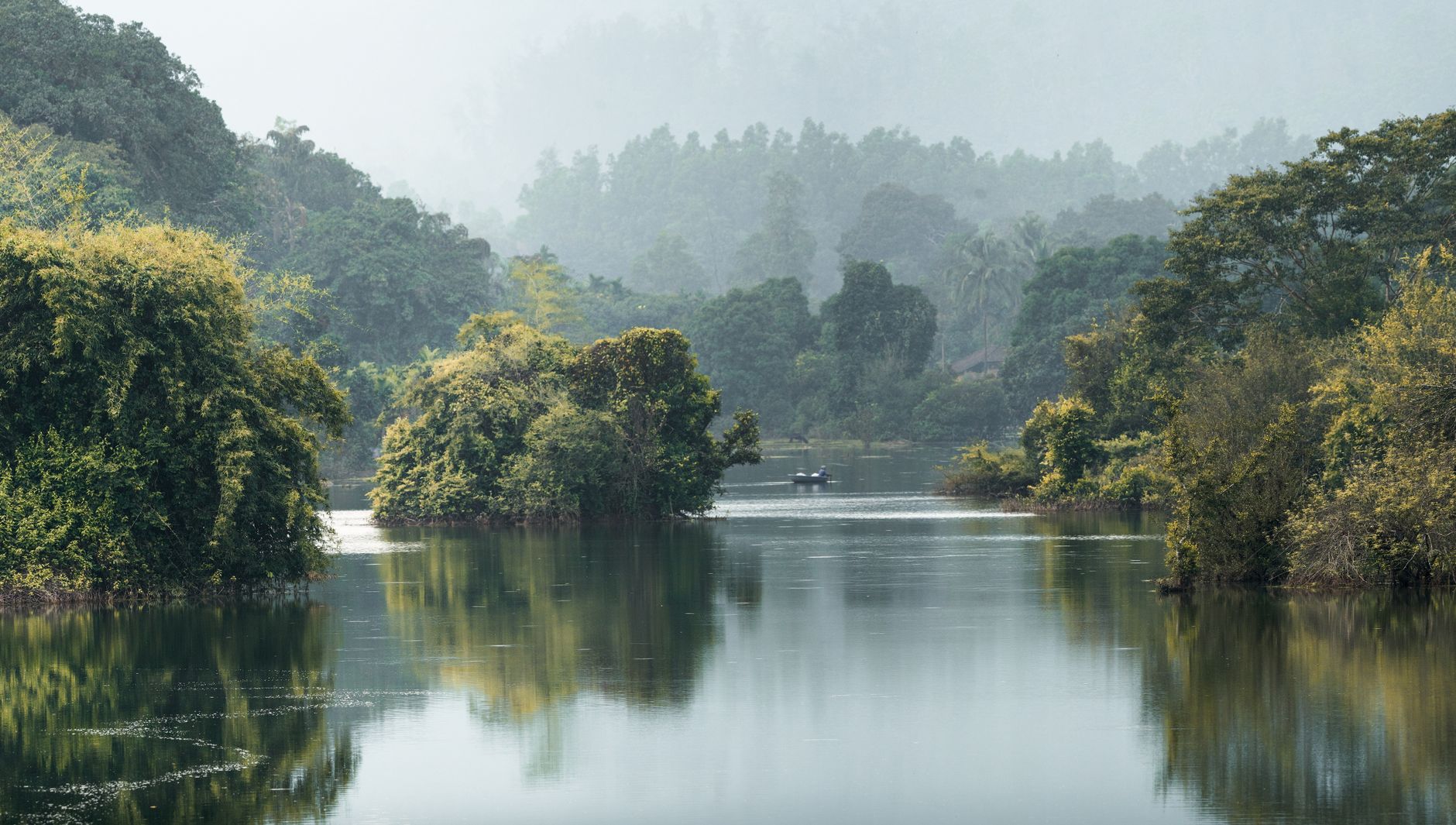
Best Time to Visit Coorg: Month-by-Month Guide
Coorg's appeal shifts dramatically across seasons. September to February offers cool, clear weather ideal for trekking and sightseeing. June to August brings dramatic monsoons and lush landscapes. Each month has distinct advantages depending on your priorities—this guide breaks down what to expect year-round so you can book at the right time.
When is the absolute best time to visit Coorg?
October and November stand out as the sweet spot. Post-monsoon freshness meets ideal temperatures (18–25°C), clear skies dominate, and the landscape glows emerald-green. Crowds are manageable, and coffee estates hum with harvest activity. If you can only visit once, these two months deliver the full Coorg experience without compromise.
December and January rival October-November but draw larger crowds and command higher room rates. Book early if these months suit your schedule.
Related: Mysore in Monsoon: What to Expect
See also: Karnataka in February: Weather, Where to Go and What to Expect
Related: Bengaluru in Monsoon: What to Expect
Month-by-Month Breakdown
January: Peak season clarity
Weather: Cool, dry, clear (14–24°C) Rainfall: Minimal Visitor levels: High Highlights: Crystal-clear skies, perfect trekking conditions, coffee harvest winds down. Waterfalls are reduced but not dry.
January is technically excellent but tourist-heavy. If you prefer solitude and lower prices, skip this month; if you want guaranteed sunshine and don't mind crowds, go ahead. Hotels like Purple Palms Resort and Spa book solid months in advance.
February: Still brilliant, fewer crowds
Weather: Cool, dry (15–26°C) Rainfall: Negligible Visitor levels: Moderate-high Highlights: Same excellent conditions as January with fractionally fewer tourists. Ideal for families.
February edges out January if you want peak weather without the January stampede. Prices dip slightly. It's arguably the most underrated month to visit.
March: Heating up but still viable
Weather: Warm, dry (18–28°C) Rainfall: Rare Visitor levels: Moderate Highlights: Fewer tourists, budget prices climbing down from peak season. Comfortable for most activities, though midday heat increases.
March works if you're flexible on temperature. Trekking is still good early morning; afternoons grow warm. Coffee estates are quiet post-harvest.
April: Pre-monsoon lull
Weather: Hot, dry (22–32°C) Rainfall: Nearly absent Visitor levels: Low Highlights: Rock-bottom accommodation rates. Perfect if you prioritise budget and don't mind heat. Many accommodation and tour operators run discounts.
April is a visitor's paradox: genuinely challenging for sightseeing due to heat, but excellent value and tranquillity. Skip intense activities; embrace leisurely spa days at Amanvana Spa Resort - Coorg.
May: Pre-monsoon transition
Weather: Hot, increasingly humid (23–33°C) Rainfall: Starting to build Visitor levels: Low Highlights: Atmospheric humidity, threat of pre-monsoon showers (brief, dramatic). Budget prices persist. Some find this month atmospheric; others find it oppressive.
May is hit-or-miss. Humidity climbs, occasional showers arrive without the full monsoon relief. Not recommended unless budget is your sole priority or you enjoy moody weather.
June: Monsoon arrives
Weather: Cool, very wet (18–25°C) Rainfall: Heavy and frequent Visitor levels: Low to very low Highlights: Waterfalls at peak fury, landscape emerald and saturated, rates bottom out. Romantic for some, challenging for sightseeing.
June marks monsoon's dramatic entrance. The Western Ghats transform into a moss-draped wonderland, but hiking becomes risky and visibility poor. Budget travellers and photographers seeking moody landscapes thrive here; others should wait. Roads remain passable but require careful driving.
July: Full monsoon majesty
Weather: Cool, heavy rain (17–24°C) Rainfall: Heaviest month (5–7 metres possible) Visitor levels: Very low Highlights: Coorg at its most lush and wild. Waterfalls become torrents. Rates rock-bottom, solitude absolute.
July is for monsoon devotees only. Trekking is risky; many trails waterlogged. Waterfalls are ferocious. If you crave empty trails and dramatic scenery, and don't mind rain-bound days, July offers unmatched intimacy with Coorg's wild side. Landslides occasionally block mountain roads; plan flexibility into your itinerary.
August: Monsoon continues, clearing starts
Weather: Cool, heavy rain, occasional breaks (17–24°C) Rainfall: Still substantial but declining Visitor levels: Low Highlights: Waterfalls remain powerful, weather slightly more stable than July. Growing chance of clear afternoons. Still excellent value.
August splits the difference between July's intensity and September's transition. Rain is heavy but not relentless; brief clear spells offer sightseeing windows. Roads are usually passable. A solid budget option if you're monsoon-tolerant.
September: Monsoon retreat, renewal begins
Weather: Cool, declining rain (17–25°C) Rainfall: Decreasing noticeably Visitor levels: Starting to rise Highlights: Landscape lush but clearing up. Waterfalls powerful but weather increasingly stable. Coffee estates prepare for harvest. Rates begin climbing from bottom.
September is the monsoon's graceful exit. Weather stabilises enough for reliable trekking. Landscapes glow post-rain. This is when astute travellers arrive—excellent conditions, crowds haven't swarmed back, and prices remain reasonable. Book Club Mahindra Madikeri Resort and SPA, Coorg or Indo Asia Heritage Coorg, Formerly Heritage Resort Coorg with confidence.
October: Post-monsoon perfection
Weather: Cool, dry, clear (16–25°C) Rainfall: Minimal Visitor levels: High Highlights: Landscape at absolute peak lushness from fresh monsoon water. Clear skies return. Coffee harvest in full swing. Comfortable temperatures throughout.
October is Coorg's masterpiece month. Everything aligns: weather, scenery, activities, cultural energy (harvest season). It's the most expensive month for accommodation and attracts crowds, but those trade-offs are worth it. Popular hotels fill fast; book ahead.
November: Second-best season
Weather: Cool, dry, clear (15–24°C) Rainfall: None Visitor levels: High but declining from October Highlights: Coffee harvest in full swing. Climate identical to October. Fewer tourists than October. Prices slightly lower.
November matches October's weather and activity without October's peak crowds. Coffee estates hum with harvest; you can participate in picking and processing tours. Some consider November superior to October for this reason. Montrose Golf Resort And Spa and The Cliff Edge Coorg both offer excellent value in November relative to October.
December: Holiday season arrives
Weather: Cool, dry (14–23°C) Rainfall: None Visitor levels: Very high (holidays) Highlights: Festive energy, perfect weather, end-of-harvest season. Christmas and New Year bring families and celebrations.
December combines perfect weather with holiday tourism surge. Prices spike significantly from mid-December through early January. If you're visiting for holidays and don't mind crowds, December is superb; otherwise, avoid.
Quick comparison: When to visit for different priorities
Best weather: October–February (October–November peak) Budget travel: April–June (April cheapest, most challenging) Coffee harvest participation: September–November (October–November most active) Monsoon scenery: June–August (July most intense) Solitude: May–August (July most isolated) Families: February–March, October–November Photographers: October–November, June–July (different aesthetics)
How rainfall patterns affect activities
Trekking through cardamom and coffee plantations is safe and rewarding September–February. June–August, many popular trails (Tadiandamol, Brahmagiri) remain passable but require experience and caution. Waterfalls are spectacular June–November; December–May they're either dry or modest. Wildlife spotting (birds, gaur, hornbills) is best in clear months (January–February, September–October) when visibility aids spotting.
The weather reality: No truly bad months
Coorg's climate is broadly favourable year-round. What varies is crowd, cost, and which activities shine. There's no "avoid" month—only months better suited to different traveller profiles. April-May is genuinely hot, and June-August demand monsoon tolerance, but neither is objectively wrong.
FAQ
Q: What's the coldest month in Coorg? A: December-January, dropping to 14°C at night in higher elevations. Bring layers if you're trekking early morning.
Q: Can I visit during monsoon (June-August) safely? A: Yes, with caution. Roads are open, accommodation operates normally, and landscapes are stunning. Avoid high-altitude trekking and check landslide reports before driving mountain roads. The experience is extraordinary for the monsoon-prepared traveller.
Q: Which month is best if I want to participate in coffee harvest? A: September–November, with October–November being the peak. Tour operators and homestays offer harvest experiences; book with your accommodation directly.
Q: When should I book accommodation in advance? A: October–January requires 2–3 months' advance booking for preferred hotels. February–May can often be booked 2–3 weeks ahead. June–August, you can often book within days unless it's a specific property.
Related planning guides
Explore how to reach Coorg and things to do in Coorg to complete your planning. Check best time to visit Karnataka for context on the broader region's seasons.