Best Time to Visit Chikmagalur: Month-by-Month Guide
Chikmagalur's appeal shifts dramatically with the seasons. The best overall window is October to February, when temperatures hover between 15–25°C and rainfall is minimal—ideal for coffee plantation walks, trekking, and sightseeing. However, each month has its own character. Monsoon (June–September) transforms the landscape into lush green but brings heavy downpours and occasional landslides. Summer (March–May) is hot and dry, clearing the air but offering less visual appeal. Your choice depends on what you prioritise: comfortable weather, photogenic scenery, or solitude.
October to February: The Peak Season
Why visit: This six-month window is when Chikmagalur shines. Daytime temperatures range from 20–25°C; evenings dip to 10–15°C. Skies are clear, humidity is low, and rainfall is almost absent. Coffee harvest (October–December) adds activity to the plantations, making guided estate tours more engaging.
October: The transition month. Remnants of monsoon greenery remain, but skies clear progressively. Crowds begin building mid-month. Light pullover needed for early mornings. Book accommodation early if visiting late October.
Related: Mysore in Monsoon: What to Expect
See also: Karnataka in February: Weather, Where to Go and What to Expect
Related: Bengaluru in Monsoon: What to Expect
November–December: Peak season proper. Crisp, sunny days; perfect for trekking Mullayanagiri or Baba Budan Giri. Coffee estates buzz with harvest activity—an excellent time for plantation tours. Nights are cool (8–12°C); warm layers essential. Hotels fill quickly; expect higher rates.
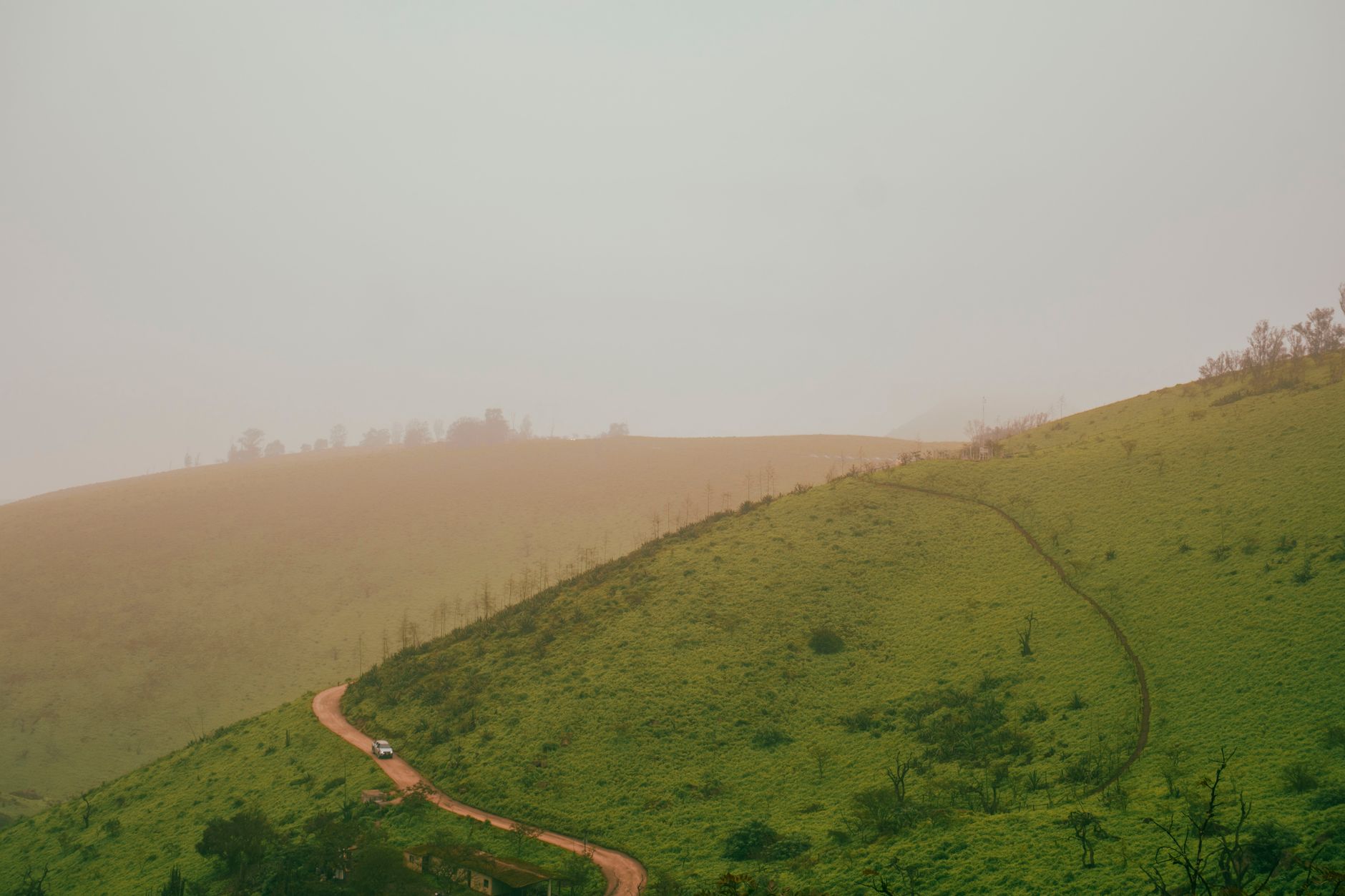
January–February: Coldest months (10–20°C). Morning mist often blankets the hills, creating photogenic conditions. Tourist numbers remain high but begin tapering by late February. February is excellent if you want moderate crowds without sacrificing weather quality.
Accommodation tip: Trivik Hotels & Resort, Chikmagalur (5-star, 9.3/10) and The Grand Retreat - Chikmagalur (5-star, 8.8/10) are worth booking well ahead during this period.
March to May: Hot, Dry Summer
Why it's mixed: Temperatures climb to 28–35°C, especially April and May. Days are long and sky generally clear, but the heat is intense and the landscape dries out. Tourist numbers drop significantly, and hotel rates fall. Best suited to those who enjoy heat and want solitude.
March: Still reasonably pleasant (22–28°C). Cardamom and coffee plants need water; plantations are less visually striking than in cooler months. Fewer tourists mean shorter queues and better attention from guides.
April–May: Temperatures peak; daytime highs often exceed 32°C. Morning visits to viewpoints (before 10 a.m.) are advisable. Dust and haze can reduce visibility at high altitudes. However, prices dip 20–30% compared to peak season, and you'll rarely queue for anything. Best suited to heat-tolerant travellers seeking budget options and fewer crowds.
Accommodation option: Hotel Aadrika (3-star, 8.7/10) and The Spectrum Resort – Chikmagalur (3-star, 8.6/10) offer good value during this period.
June to September: Monsoon and Lush Greenery
Why visit (or avoid): The landscape transforms into stunning emerald—ideal for photographers seeking saturated colours. Temperatures are cool (18–25°C). However, rainfall is heavy and frequent, sometimes exceeding 200 mm per month. Roads can become slippery; some trekking routes close temporarily. Landslides are rare but possible. Malaria-carrying mosquitoes are active; antimalarial precautions recommended.
June: Monsoon begins mid-month. Rainfall builds gradually; expect 100–150 mm. Humidity rises sharply. First two weeks remain relatively dry; later weeks see increasing downpours. Fewer tourists; peaceful atmosphere.
July–August: Heaviest rainfall months (150–250 mm). Cloud cover is persistent; visibility at high altitudes is often poor. Waterfalls are spectacular. Plantations are lush. Adventure travellers and birdwatchers come for the activity and greenery, but trekking requires care. Landslide warnings should be heeded.
September: Monsoon begins tapering. Rainfall decreases (100–150 mm). Skies start clearing towards month-end. Excellent transitional month for those seeking green landscape with improving visibility and drier conditions.
Practical note: If visiting June–September, carry waterproof jackets, trekking shoes with good grip, and antimalarial medication. Check local weather warnings before trekking. Coffeeberry Hills Chikamagalur (4-star, 8.9/10) and Vismita County (4-star, 8.9/10) are solid choices with indoor amenities for rainy days.
Month-by-Month Quick Comparison
| Month | Temp (°C) | Rainfall | Best for | Crowds | Cost |
|---|---|---|---|---|---|
| January | 10–20 | Minimal | Trekking, photos | High | High |
| February | 12–22 | Minimal | All activities | High | High |
| March | 16–28 | Low | Budget travel, solitude | Low | Medium |
| April | 20–33 | None | Heat tolerance needed | Very low | Low |
| May | 22–35 | Rare | Adventurous, budget | Low | Low |
| June | 18–26 | Increasing | Green landscape | Low | Medium |
| July | 16–24 | Heavy | Waterfalls, birdwatching | Low | Medium |
| August | 16–24 | Heavy | Green scenery | Low | Medium |
| September | 17–26 | Decreasing | Transition advantage | Low | Medium |
| October | 18–28 | Minimal | Harvest season | Medium | Medium |
| November | 14–25 | None | Peak (best overall) | Very high | High |
| December | 12–23 | None | Peak (best overall) | Very high | High |
What Should You Pack by Season?
October–February: Light layers (t-shirts, cardigans, fleece jacket), trekking shoes, hat, sunscreen, water bottle, warm sleepwear.
March–May: Lightweight, loose-fitting clothing, wide-brimmed hat, high-SPF sunscreen, sunglasses, electrolyte drink.
June–September: Waterproof jacket, quick-dry trousers, sturdy waterproof trekking shoes, antimalarial medication, insect repellent, small umbrella.
Comparing Seasons: Which Suits You?
Choose October–February if: You want guaranteed good weather, planned activities, comfortable trekking, and don't mind crowds or higher costs. Most visitors come during this window.
Choose March–May if: You're budget-conscious, seek solitude, tolerate heat, and want flexible itineraries. Fewer facilities and guides available, but prices are lowest.
Choose June–September if: You love greenery, photography in wet landscapes, wildlife spotting, or want peaceful travels. Bring rain gear and check weather daily. Not ideal for casual sightseeing.
Choose September–October for: A sweet spot—monsoon ends, landscape remains green, crowds are starting but not peak, prices are rising but not yet peak. Similar appeal to November without the crowds.
More detailed information on when to visit can be found in our best time to visit Chikmagalur guide and Chikmagalur weather and climate pages.
FAQs
Is Chikmagalur safe during monsoon? Generally yes, but exercise caution. Avoid trekking immediately after heavy rain due to slippery paths and potential landslides. Check local weather alerts and travel advisories before heading to remote areas. Main roads and tourist sites remain safe.
What's the coldest month in Chikmagalur? January is typically the coldest, with night temperatures often dropping below 10°C. If you're cold-sensitive, bring a warm jacket. Early mornings on trekking routes can be particularly chilly.
Do coffee plantations give tours year-round? Yes, but harvest season (October–December) offers more engaging tours because picking and processing activities are visible. Off-season tours are quieter and better for understanding plant growth and shade-tree ecosystems.
Which month has the least rain but isn't crowded? March and early April offer dry weather with significantly fewer tourists than November–February. Expect higher heat but 50–70% lower accommodation costs and shorter queues at attractions.