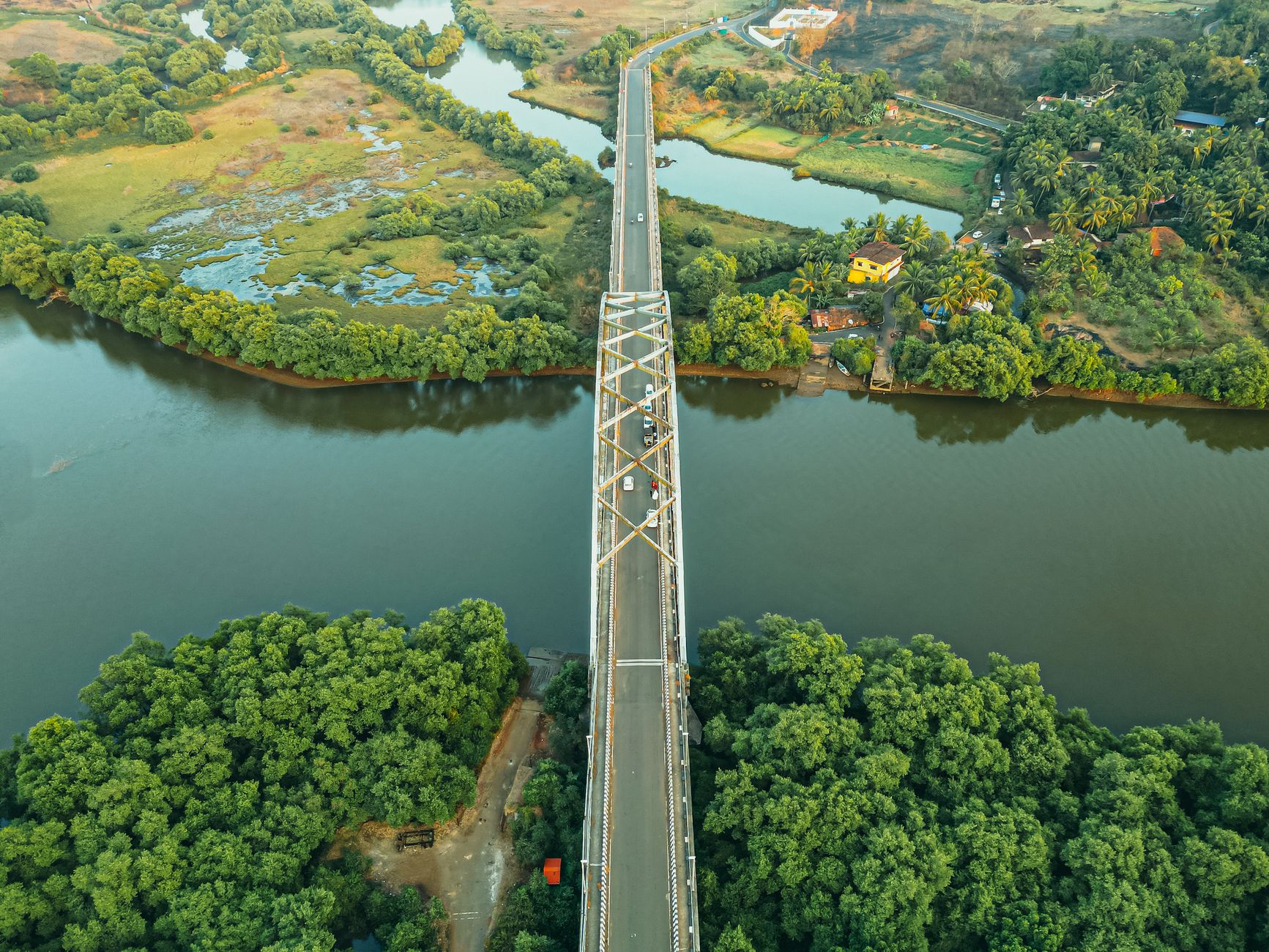
Mangalore in Monsoon: What to Expect
Mangalore transforms during monsoon (June–September) into a moody, atmospheric destination. Coastal rains drench the city daily, humidity climbs to uncomfortable levels, and tourist crowds thin dramatically. Yet monsoon also reveals the region's lushest character: verdant Western Ghats, invigorating sea spray, and authentic local life. If you choose to visit, prepare for wet weather with realistic expectations—and discover why some travellers prefer Mangalore wet.
When Does Monsoon Hit Mangalore?
Southwest monsoon arrives reliably in early June and persists until September, peaking July–August. Expect rainfall on roughly 20–25 days per month, though intensity varies. June often sees gentler, scattered showers; July–August bring relentless downpours, sometimes lasting 12+ hours. September tapers gradually, with dry days becoming more frequent by month's end. The Arabian Sea roughens considerably—waves reach 6–8 feet, making swimming dangerous and boat trips risky.
What's the Weather Really Like?
Temperature and humidity: Daytime highs hover around 28–30°C, but humidity often exceeds 80 per cent, making the air feel thick and sticky. The heat-humidity combination can be draining indoors without air conditioning. Nights cool only marginally to 22–24°C, offering limited respite.
Related: Karnataka in May: Weather, Where to Go and What to Expect
See also: Karnataka in February: Weather, Where to Go and What to Expect
See also: Kalaburagi in Monsoon: What to Expect
Rainfall patterns: Morning showers are common; afternoon downpours can arrive suddenly and last hours. You might experience hazy, grey skies for days on end. Occasional sunny spells break the monotony, but assume every outing requires an umbrella and waterproof bag.
Visibility: Sea fog and cloud cover reduce coastal visibility. Sunsets, normally spectacular at Mangalore's beaches, are often obscured. Photography enthusiasts may find flat, overcast light challenging.
Which Activities Work in Monsoon?
What to avoid: Beaches become unsafe. Strong rip currents, high waves, and occasional debris make swimming and water sports hazardous. Coastal drives remain scenic but slippery. Boat excursions to nearby islands (St. Mary's Islands, Pigeon Island) rarely operate.
What shines: Indoor attractions come into focus. Explore Mangalore's spice markets at Sultan Battery, where the humid air intensifies aromatic clove, cardamom, and cinnamon. Visit heritage temples—Kadri Manjunath Temple and Midhun Nagar Durga Temple—which feel spiritual and serene in the rain. Walk through old Portuguese-influenced architecture in the Fort area, photographing weathered facades.
Coffee and spice plantations in nearby Chikmagalur and Kodagu (2–3 hours inland) come alive. Monsoon-fed plantations gleam emerald, and fewer tourists mean quieter treks. The air is cool, visibility excellent at higher elevations, and afternoon mists add drama.
Food lovers thrive: monsoon brings fresh produce, and Mangalore's seafood—fish curries, prawns, crab—reaches seasonal perfection. Local restaurants offer warming comfort food. Street food is riskier due to water safety concerns, but established eateries with consistent hygiene remain reliable.
Should You Book a Hotel Now?
Monsoon is low season; room rates drop 20–40 per cent compared to dry months. Hotel Sai Palace Mangalore and AJ Grand Hotel both score 8.8–8.9/10 and offer excellent value. Goldfinch Hotel Mangalore (8.2/10) provides reliable mid-range comfort. For budget stays, Royal Plaza Suites by RAK Rooms (8.5/10) delivers surprising quality.
What matters:
- Choose rooms with reliable air conditioning and working dehumidifiers—essential for comfort.
- Confirm generators or backup power; occasional outages occur during severe storms.
- Pick hotels centrally located (CBD or Lighthouse Hill area) to minimise travel in heavy rain.
- Avoid ground-floor rooms; water seepage happens in older properties.
Ginger Mangalore (7.4/10) and Hotel Heraa International (7.9/10) suit travellers prioritising business-hotel efficiency over character, which is practical in unpredictable weather.
Practical Monsoon Travel Tips
Pack smart:
- Lightweight, quick-dry clothing (moisture lingers in humid air).
- Waterproof backpack or bag with sealed compartments.
- Umbrella (a compact travel type) and rain jacket.
- Waterproof phone case.
- Extra toiletries; dampness accelerates mildew and skin irritation.
- Medication for stomach upset (water safety is variable).
Health precautions:
- Drink bottled or boiled water exclusively.
- Avoid raw salads unless prepared at reputable restaurants.
- Humidity increases mosquito breeding; use insect repellent and consider antimalarial precautions (consult a doctor).
- Slippery surfaces cause slips; wear grip-soled shoes.
Plan flexibility:
- Book attractions 1–2 days ahead, not weeks. Weather delays happen.
- Keep a buffer day for cancellations (boat trips, outdoor festivals).
- Carry entertainment for indoor-bound hours: e-books, podcasts, offline maps.
Is Monsoon Worth Visiting?
Pros:
- Fewer crowds; temples, markets, and cafés feel intimate.
- Dramatic natural beauty; misty hills, rain-washed streets, and lush vegetation.
- Significantly cheaper accommodation and dining.
- Ideal for introverted travellers and photographers seeking moody aesthetics.
- Nearby hill stations (Chikmagalur, Kodagu) are at their verdant peak.
Cons:
- Outdoor plans require constant flexibility.
- High humidity causes physical discomfort for some.
- Water safety concerns demand careful eating habits.
- Limited beach or water-based activities.
- Risk of tropical illness (dengue, malaria) is elevated.
Our verdict: Monsoon suits travellers seeking authenticity, solitude, and natural drama. If you crave beach swims, guaranteed sunshine, and carefree outdoor wandering, visit October–April instead. But if you appreciate moody landscapes, lower prices, and fewer tourists, monsoon Mangalore rewards patience.
Nearby Alternatives for Monsoon Exploration
If Mangalore feels too wet, explore slightly more sheltered zones:
Chikmagalur (2.5 hours inland) sits higher; monsoon rains are refreshing rather than oppressive, and coffee plantations are breathtaking. Less humidity than coastal Mangalore.
Kodagu (Coorg) (4 hours) is India's coffee heartland. Monsoon transforms it into a misty, romantic destination with cooler temperatures and excellent trekking.
FAQ
Q: Is Mangalore completely underwater in monsoon? No. Rainfall is heavy but intermittent. Expect 8–12 rainy hours per day average, with dry spells. The city functions normally; locals commute and businesses operate. Flooding occasionally affects low-lying areas, but main roads and tourist zones remain accessible.
Q: Can I visit beaches at all? Technically yes, but swimming is unsafe. Coastal walks and photography are possible on calmer days, but never enter the water. Rip currents are unpredictable and dangerous even for strong swimmers.
Q: What's the cheapest month to visit? August typically offers the lowest rates due to peak rainfall. September is slightly pricier as weather stabilises, making it a better compromise between cost and conditions.
Q: Do hotels offer monsoon discounts explicitly? Rarely advertised formally, but expect 25–40 per cent reductions versus peak-season tariffs. Negotiate directly, especially for multi-night stays.