Karnataka in August: Weather, Where to Go and What to Expect
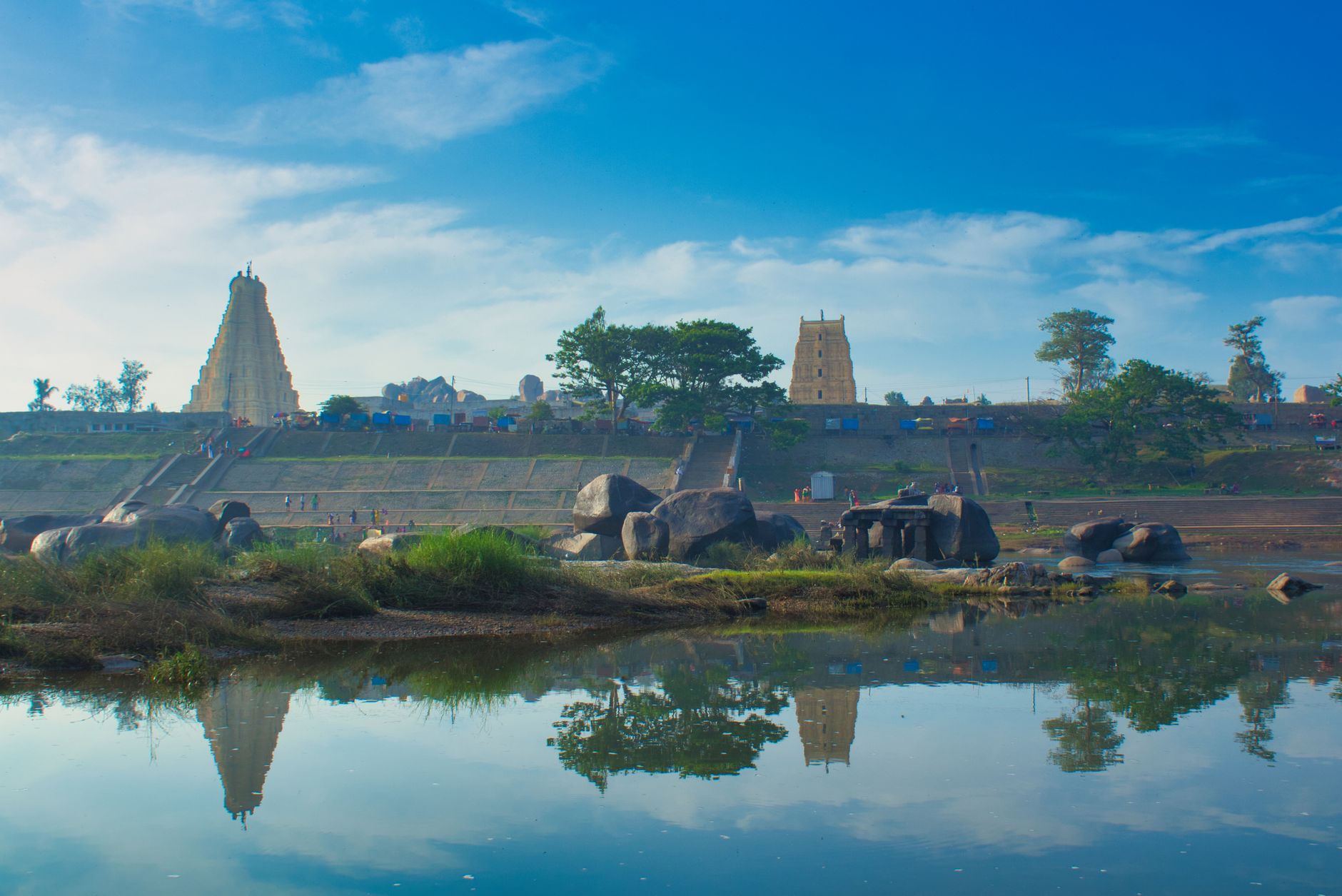
August transforms Karnataka into a verdant landscape, but monsoon dominates the experience. While the coasts and Western Ghats are drenched, the plateau experiences moderate rainfall, making hill stations the prime choice. Temperatures range from 15°C to 25°C in the highlands, dropping to chilly mornings. This isn't peak tourist season—that's the appeal. You'll encounter fewer crowds, lower accommodation prices, and a landscape painted in shades of green.
What is the weather actually like across Karnataka in August?
Karnataka splits into distinct climate zones during monsoon. The coastal belt around Mangaluru receives 2,000–3,000 mm of rain monthly; visibility drops, roads become risky, and outdoor activities are limited. The Western Ghats—Coorg, Chikmagalur, Kodaikanal—experience heavy but intermittent rainfall with temperatures between 15–22°C. The plateau (Bengaluru, Mysore, Hampi) sees moderate showers; temperatures remain pleasant at 18–28°C.
Expect humidity everywhere, reduced visibility in hill areas due to mist and cloud cover, and occasional waterlogging in low-lying regions. Landslides can temporarily block mountain routes, particularly after heavy downpours. Mornings are often crisp and cool; afternoons warm slightly before evening showers arrive.
Related: Mysore in Monsoon: What to Expect
See also: Karnataka in February: Weather, Where to Go and What to Expect
See also: Srirangapatna in monsoon: what to expect
Where should you actually visit in Karnataka in August?
Best choices: High-altitude destinations
Coorg (Kodagu) is August's standout. Cool temperatures (14–22°C), cascading waterfalls at peak flow, and cardamom plantations dripping with moisture create an atmospheric experience. Roads are passable, accommodation is available, and the landscape is spectacularly green. Expect occasional heavy showers and misty mornings—pack waterproofs and embrace it.
Chikmagalur offers similar advantages: cooler climate, coffee plantations in full monsoon dress, and fewer tourists than December–March. Baba Budan Giri trek is hikeable, though muddy. Waterfalls like Jog and Hebbe flow dramatically.
Kodaikanal (just across the Tamil Nadu border) provides higher altitude (2,133 m) and correspondingly cooler conditions (12–20°C). Mists roll in dramatically; the lake is fuller; costs drop. The 1-hour drive from the plateau means afternoon thunderstorms are brief.
Moderate options: Plateau destinations
Mysore and Bengaluru remain functional in August, though showers disrupt outdoor plans. Temple visits and indoor attractions (Srirangapatna, Tipu Sultan's Summer Palace, Bengaluru Palace) work well between downpours. The weather is comfortable—no intense heat—but rainfall makes fort explorations (Hampi, Chitradurga) less ideal.
Avoid: Coastal and lower Western Ghats regions
Mangaluru, Uttara Kannada, and lower-altitude areas like Shimoga receive relentless rain and offer poor visibility. Beach visits are unsafe; water sports are off the table. Roads to Gokarna and Malpe can become treacherous.
What should you pack for an August trip?
Waterproof jacket or poncho (non-negotiable), lightweight quick-dry trousers, closed-toe trekking shoes with grip, and moisture-wicking socks. Humidity is high even when it's not raining; cotton or merino base layers prevent fungal issues. Bring a small umbrella and a dry bag for electronics. Carry anti-leeching socks or salt if planning forest walks—leeches are active. Include plasters, antiseptic cream, and anti-diarrhoeal medication; damp conditions and unfamiliar water occasionally cause upset stomachs.
For high-altitude areas (Coorg, Kodaikanal), pack a fleece or wool jumper for evenings—temperatures dip to 12–14°C. Sunscreen remains essential; cloud cover doesn't eliminate UV exposure.
How should you plan activities in August's monsoon?
Flexibility is essential. Book accommodation with good cancellation policies. Trekking is possible but muddier and slower; allow extra time and guide recommendations. Waterfalls and streams are spectacular but occasionally dangerous—heed local warnings about swollen crossings.
Coffee and spice plantation tours in Coorg and Chikmagalur actually benefit from monsoon; green canopy is lush, and fewer tourists mean more personable experiences. Birdwatching peaks during monsoon; migratory species arrive. Photography conditions—misty, moody light—suit landscape and forest shots brilliantly.
Day trips from plateau cities are safer than multi-day mountain journeys. A Mysore–Ooty run or Bengaluru–Kodaikanal dash offers hill scenery with the option to retreat if conditions worsen.
How does August compare to other seasons?
Unlike December–February (peak season, crowded, expensive), August is intimate and affordable—hotel rates drop 30–50 per cent. Landscapes are greener than any other time; waterfall volumes are maximum. However, visibility is limited, activities weather-dependent, and some roads are dicey.
Compared to October–November (post-monsoon), August is wetter but equally beautiful and cheaper. Choose August for drama (mist, waterfalls, lush greenery) and solitude; choose October if you want similar scenery with less rain and better trekking conditions.
Practical logistics for an August visit
Transport: Book internal flights and train tickets early; monsoon can delay services. Roads are generally open, but check local weather reports before long drives into the Ghats. Landslide updates from BMTC and state highways authority are useful.
Duration: Aim for 4–6 days minimum to justify travel to the Ghats. A 2-night Coorg stint from Bengaluru works; add a Mysore night en route.
Timing: Mid-August is often better than early August; the monsoon rhythm stabilises and rainfall patterns become more predictable. Avoid the absolute peak wet weeks in early August if possible.
Health: Carry altitude sickness remedies if unaccustomed to heights above 1,500 m. The humidity triggers fungal infections; keep skin clean and dry. Dengue mosquitoes thrive in standing water; use repellent.
FAQ
Is August actually safe for travel in Karnataka? Yes, if you choose high-altitude destinations (Coorg, Chikmagalur) and avoid coastal zones. Check road conditions before driving into the Ghats. Landslides are rare but possible; local authorities issue warnings. Avoid flooded streams and swollen rivers.
Will I see the sun in August? Often, yes—mornings are frequently clear before clouds roll in by afternoon. However, visibility at high altitude is unpredictable due to mist. Bring a headtorch for early hikes; enjoy cloud layers rather than distant vistas.
Is August cheaper than other seasons? Significantly. Hotel rates in Coorg and Chikmagalur are 40–50 per cent lower than peak season (December–February). Flight and train fares are also reduced. Local guides offer discounts for quiet season.
Can I trek in August? Yes, but expect muddy terrain, slippery rocks, and leeches. Higher-altitude treks (Brahmagiri in Coorg, Mullayanagiri in Chikmagalur) are safer than lower forest routes. Hire a local guide; they know safe crossing points and leech hotspots. Allow 30–40 per cent extra time compared to dry-season estimates.