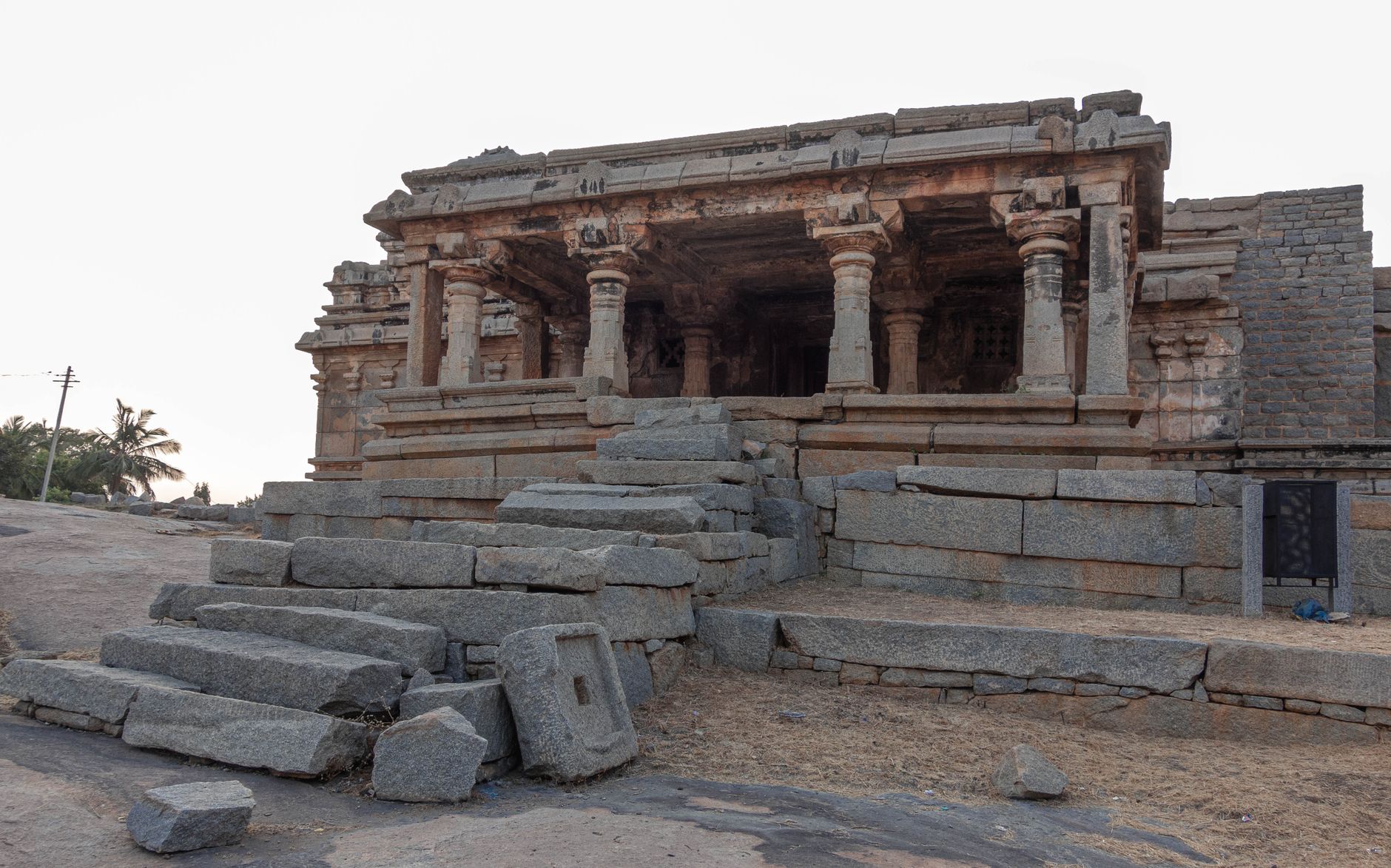
Hampi in Monsoon: What to Expect
Monsoonal Hampi (June–September) is a study in contrasts. The UNESCO-listed ruins, normally set against parched stone and sparse vegetation, become framed by lush paddy fields and swollen rivers. Fewer tourists arrive, accommodation prices drop, and the atmosphere shifts from bustling heritage hub to quiet sanctuary—but you'll navigate mud, humidity, and occasional temple closures.
The Weather Reality: Heat, Humidity, and Rain
Monsooning at Hampi means temperatures drop slightly from the scorching pre-monsoon 40°C+ to a more bearable 28–32°C. That relief comes with a catch: humidity soars to 70–80%, making even moderate temperatures feel stifling, especially during midday exploration.
Rainfall isn't constant. Hampi receives around 400–500 mm during the season, typically heaviest in July and August. Mornings often start clear; afternoon downpours are common but usually brief. Heavy rains do occur—sometimes enough to waterlog temple courtyards or make some pathways treacherous—but these are exceptions rather than the rule.
Related: Karnataka in May: Weather, Where to Go and What to Expect
See also: Karnataka in February: Weather, Where to Go and What to Expect
Related: Best Weekend Getaways from Bangalore by Distance
Landscape Transformation and Visual Appeal
This is monsoon's greatest gift to Hampi. The barren expanses surrounding the ruins fill with green rice paddies and sugarcane fields. The Tungabhadra River, often sluggish, flows with purpose. Waterfalls—including the dramatic Macco Falls nearby—become worth the trek. Stone structures seem to merge more intimately with their surroundings; morning mist clings to hillsides, creating photography conditions you won't find October–May.
The Virupaksha Temple's granite columns stand sharper against brooding monsoon skies. The Krishna Temple complex feels somehow more sacred when approached through damp pathways flanked by emerald vegetation. Boulders, weathered and aged, glisten with moisture.
Crowd Levels and Atmosphere
Expect 60–70% fewer visitors than peak season (October–March). You'll avoid queues at major temples and encounter far fewer selfie-stick-wielding groups. This is the season when Hampi reclaims a sense of contemplation.
Hostels and mid-range hotels fill with backpackers seeking monsoon experiences and lower rates. The social scene at places like Zostel Hampi (Gangavathi) remains vibrant; you're trading organized tour crowds for independent explorers and budget travellers.
What Closes and What Stays Open
No temples shut permanently during monsoon, but access restrictions do apply:
- Mahanavami Platform and open courtyards may be cordoned off during heavy downpours to prevent damage to carved stonework.
- Stepped tank (tank near the Krishna Temple) floods and becomes inaccessible.
- Riverside paths, particularly near the coracle crossing, can be hazardous if the river swells significantly.
Indoor temple sanctums and covered walkways remain accessible year-round. The Virupaksha Temple, Achyutaraya Temple, and royal enclosure structures are usually navigable.
Check locally upon arrival; casual inquiries at your hotel reception will clarify any temporary restrictions. Monsoon closures are rarely announced in advance.
Practical Challenges and How to Navigate Them
Muddy Terrain Paths turn slick within hours of rain. Bring grippy-soled footwear—trainers are better than flip-flops. Quick-dry trousers work better than jeans. Waterproof bags protect cameras and phones; smartphone covers cost ₹200–500 locally.
Humidity and Mould Book rooms with good ventilation. Higher-rated properties like WelcomHeritage Shivavilas Palace (9.1/10 rating) and Heritage Resort Hampii (8.6/10) maintain better air circulation and moisture control than budget options. Keep electrical devices in waterproof pouches. Electronics deteriorate faster in monsoon humidity.
Mosquitoes Dengue and malaria risks exist. Use insect repellent liberally—DEET-based products (55%) work best. Wear long sleeves after dusk. Consider staying in air-conditioned rooms when possible; mosquito nets are standard in most hotels.
Activity Flexibility Plan outdoor exploration for mornings (7–11 a.m.), when rain is less likely. Temple visits after midday work only if you're weather-adaptive. Coracle rides across the Tungabhadra become impossible during high water; raft rides occasionally replace them.
Best Time Within the Monsoon Season
July and August are the wettest and most atmospheric but least reliable for consistent exploration.
June and September offer a middle path: fewer rains, greener landscapes, and calmer crowds than peak season without August's intensity.
Accommodation Recommendations for Monsoon
Pick properties with strong drainage and maintenance records:
- WelcomHeritage Shivavilas Palace (5-star, 9.1/10): Premium choice with heritage charm and excellent weather management.
- Heritage Resort Hampii (4-star, 8.6/10): Well-maintained grounds, good for wet-season navigation.
- Zostel Hampi (Gangavathi) (3-star, 8.5/10): Budget-friendly, vibrant social atmosphere, adequate for monsoon with sensible precautions.
- Hotel Malligi (3-star, 8.6/10): Central location, solid maintenance, good value.
Avoid ground-floor rooms and those with damp history (ask reception honestly—they'll know). Rooms on upper floors with balconies perform better.
Why Visit Hampi in Monsoon?
If you prioritize solitude, photography, landscape beauty, and budget savings, monsoon is compelling. You'll see Hampi differently—vulnerable to elements, celebrated by nature, less crowded by commerce.
If your tolerance for rain and muddy conditions is low, or if you're on a short trip and can't afford weather-dependent cancellations, stick to October–March.
Related Planning Resources
For deeper insight into visiting Hampi, explore our guides on best time to visit Hampi and what to do in Hampi, which cover seasonal nuances and activity planning across all months.
FAQ
Is Hampi safe to visit during monsoon? Yes, provided you exercise common sense. Use insect repellent, wear appropriate footwear, and avoid flooded pathways. Hospitals and pharmacies in nearby towns handle minor ailments. Major medical emergencies may require travel to Ballari (40 km away).
Will I definitely get rained on every day? No. Rain is common but not continuous. Mornings are often dry; afternoons see showers. Early June and September have less rainfall than July–August. Pack a compact umbrella but don't expect monsoon-season Kerala-style downpours.
How much cheaper is monsoon-season accommodation? Expect 20–40% discounts compared to peak season (October–March) at the same properties. A 4-star hotel costing ₹6,000–8,000 in winter may drop to ₹4,000–5,500 during monsoon.
Can I see all the main temples during monsoon? Yes, all major temples remain accessible. Some courtyards and outdoor platforms close temporarily during heavy rains, but you won't lose significant heritage access. Plan flexibility into your itinerary.