Best Time to Visit Murudeshwar: Month-by-Month Guide
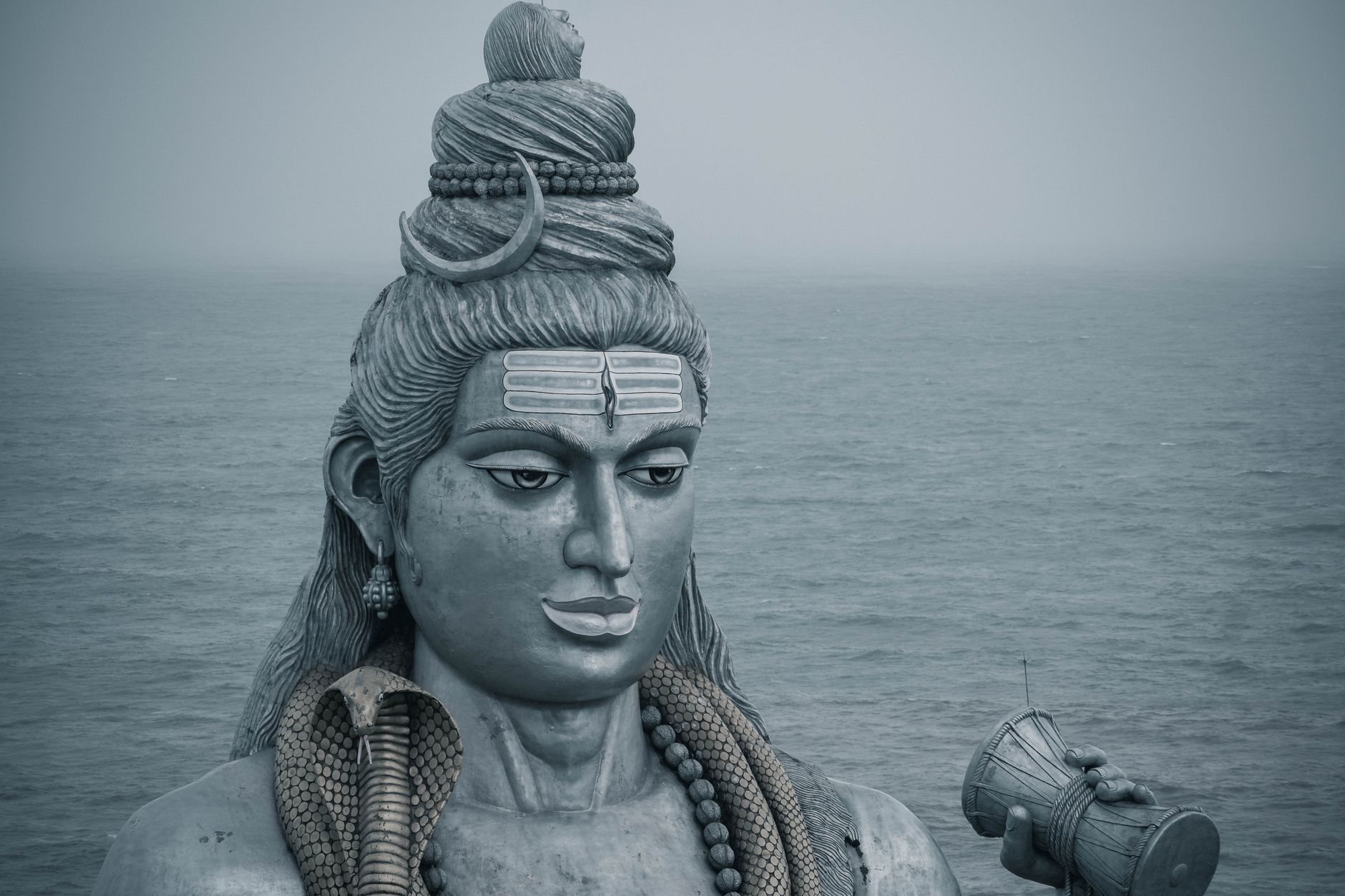
Murudeshwar's appeal shifts dramatically throughout the year. October to February is peak season—expect dry skies, manageable crowds, and ideal conditions for the beach and the towering Shiva statue. Monsoon (June–September) transforms the coastline into a brooding, atmospheric landscape but makes water activities impossible. Summer (March–May) is hot and humid with fewer visitors. Choose based on what you want: spiritual immersion, adventure, or solitude.
October: The Season Opener
October marks the transition from monsoon to dry season. Rainfall tapers off by mid-month, and temperatures hover around 28–30°C. The Arabian Sea remains slightly rough until late October, so swimming isn't ideal early on, but by month's end conditions improve steadily.
Why visit: The crowds are lighter than November–December. The temple is vibrant post-monsoon, and the landscape is lush green. You'll find better hotel availability and reasonable rates.
Related: Coorg in Monsoon: What to Expect
See also: Karnataka in February: Weather, Where to Go and What to Expect
Related: Best Time to Visit Hubballi: Month-by-Month Guide
What to expect: Occasional showers in early October. Humidity is moderate. The 39-metre Shiva statue is stunning against clearing skies.
Hotel tip: The Ocean Front (9.4/10, 538 reviews) offers sea-facing rooms perfect for watching the seasonal transition—and rates often dip slightly in early October.
November: Peak Season Begins
November is arguably Murudeshwar's finest month. Temperatures settle at a comfortable 26–29°C, skies are clear, and the sea calms considerably. Humidity drops, and rainfall is virtually non-existent. This is also when many celebrate Kartik Purnima, a major festival honouring Lord Shiva—the temple attracts thousands of pilgrims.
Why visit: Ideal weather for beach time, temple exploration, and photography. The temple's evening aarti (prayer ceremony) is spectacular with good light and calm surroundings.
What to expect: Crowds, especially around Kartik Purnima (dates vary; typically November). Accommodation fills quickly. Early booking is essential.
Hotel tip: Canara Vibes (9.0/10, 222 reviews) is a 4-star property with strong reviews and good availability if you book a week ahead.
December: Peak Season Continues
December sustains November's perfect conditions—25–28°C, dry weather, and calm seas. The monsoon is a distant memory. This is when Indian school holidays begin (mid-December), so expect increased tourism from families. The New Year period (25–31 December) sees a secondary peak.
Why visit: Best swimming and water conditions of the year. Festival season means vibrant temple activities and a celebratory atmosphere.
What to expect: Busy beaches and temple areas, especially post-15 December and around New Year. Prices rise accordingly. Early mornings are quieter for temple visits.
Hotel tip: Book 2–3 months ahead. Sukhanidhi Family Homestay (9.4/10, 61 reviews) is a 5-star option for those seeking quieter, personalised stays, though it has limited rooms.
January: Extended Peak Season
January maintains December's excellence with temperatures around 24–27°C. It's the driest month across Karnataka's coast. Crowds remain high through mid-January, then taper slightly after Indian schools reopen (around 10 January).
Why visit: Consistent excellent weather. Post-holiday crowds are smaller than December. The sea remains calm and swimmable.
What to expect: Still busy but more manageable than December. Good light for photography throughout the day. Occasional cooler days in late January.
Hotel tip: RNS Residency Sea View (8.2/10, 464 reviews) offers decent value and consistent quality mid-season.
February: The Last Peak Month
February is warm (26–29°C) but remains dry and pleasant. It's traditionally the tail end of peak season. Crowds thin noticeably compared to November–January. The temple experiences fewer pilgrims but remains active, especially around Maha Shivaratri (dates vary; typically late February/early March).
Why visit: Outstanding weather persists. Fewer crowds than earlier winter months. Better accommodation availability and softer pricing than peak season. Maha Shivaratri celebrations (if in late February) draw devout pilgrims, creating an authentic spiritual atmosphere.
What to expect: Consistent sunshine and calm seas. The temple can be crowded around Maha Shivaratri but less hectic than Kartik Purnima. Comfortable coastal breeze.
Hotel tip: Aarna Coastal Resort (8.8/10, 158 reviews) is a solid mid-range option with sea views, often easier to book in February.
March to May: Summer Heat
March to May sees temperatures climb to 30–35°C, with peak heat in April–May. Humidity increases, making the beach feel uncomfortable for extended stays. Few tourists venture here; accommodation is quiet and rates drop. The sea is warm and swimmable but lacks the invigorating quality of winter months.
Why visit (rarely): Budget travellers seeking discounts. Those prioritising solitude over comfort. Photography enthusiasts chasing harsh, dramatic light.
What to avoid: Afternoon hours when the sun is directly overhead. Extended beach time becomes unpleasant. Dehydration is a real concern.
Hotel tip: If you must visit, properties like Blue Pearl Beach Guest House (7.4/10, 230 reviews) drop rates significantly, though conditions aren't ideal.
June to September: Monsoon Season
Monsoon transforms Murudeshwar into a moody, dramatic landscape. Rainfall is heavy (especially July–August), temperatures hover at 24–27°C, and humidity climbs above 80%. The Arabian Sea becomes treacherous—rough waves, strong currents, and frequent underwater turbulence make water activities impossible. The temple remains accessible, but temple visits are curtailed by rain.
Why visit: Dramatic, moody photography. Spiritual immersion without tourist crowds. The lush green surroundings are stunning. Lowest accommodation prices of the year.
What to avoid: Water activities of any kind. Plans requiring reliable outdoor conditions. Individuals sensitive to dampness and mould.
Hotel tip: Monsoon accommodation is cheap but ensure your chosen property (try Vrindhavan Homestay Murdeshwar, 8.6/10, 63 reviews) has good drainage and robust construction to handle heavy rains.
How to Choose Your Month
For temples and spirituality: November (Kartik Purnima) or late February (Maha Shivaratri). October is also good with fewer crowds.
For beaches and swimming: November to February—pick based on crowd tolerance (November–December = busier; February = quieter but still perfect).
For budget travel: June–August or March–May, though expect fewer amenities and less pleasant conditions in summer.
For photography: October–February for light and clarity; June–August for moody, atmospheric shots.
Summary Comparison
| Month | Temperature | Sea State | Crowds | Best For |
|---|---|---|---|---|
| October | 28–30°C | Fair–Good | Low–Moderate | Transition; fewer people |
| November | 26–29°C | Calm | High | Festival (Kartik); peak conditions |
| December | 25–28°C | Calm | Very High | Families; New Year |
| January | 24–27°C | Calm | High | Extended peak; less crowded than Dec |
| February | 26–29°C | Calm | Moderate | Shoulder season; Maha Shivaratri |
| March–May | 30–35°C | Calm | Very Low | Budget; solitude; challenging heat |
| June–September | 24–27°C | Rough | Very Low | Monsoon aesthetics; spiritual retreat |
FAQ
When is Murudeshwar most crowded? November through mid-January, particularly around Kartik Purnima (November) and December holidays. If you prefer quieter conditions, visit in February or October.
Is monsoon season safe for visiting? Yes, for temple exploration and sightseeing, though avoid water activities entirely. Landslides are rare near the main temple and beach areas, but check local weather forecasts. Many travellers find monsoon's dramatic landscape and lower prices worthwhile despite rain.
What's the best month for swimming? November to February, with January and February offering the calmest seas and least crowded beaches. The water is warm enough year-round, but safety and comfort vary greatly.
Can I visit in April or May? Yes, though expect heat above 32°C and high humidity. Summer isn't dangerous but is uncomfortable for most visitors. Accommodation is cheaper and fewer tourists are present, which appeals to some travellers seeking budget options or complete solitude.
Ready to plan your visit? Explore more about Murudeshwar and check current accommodation availability to secure your preferred dates well in advance—particularly for November through January.