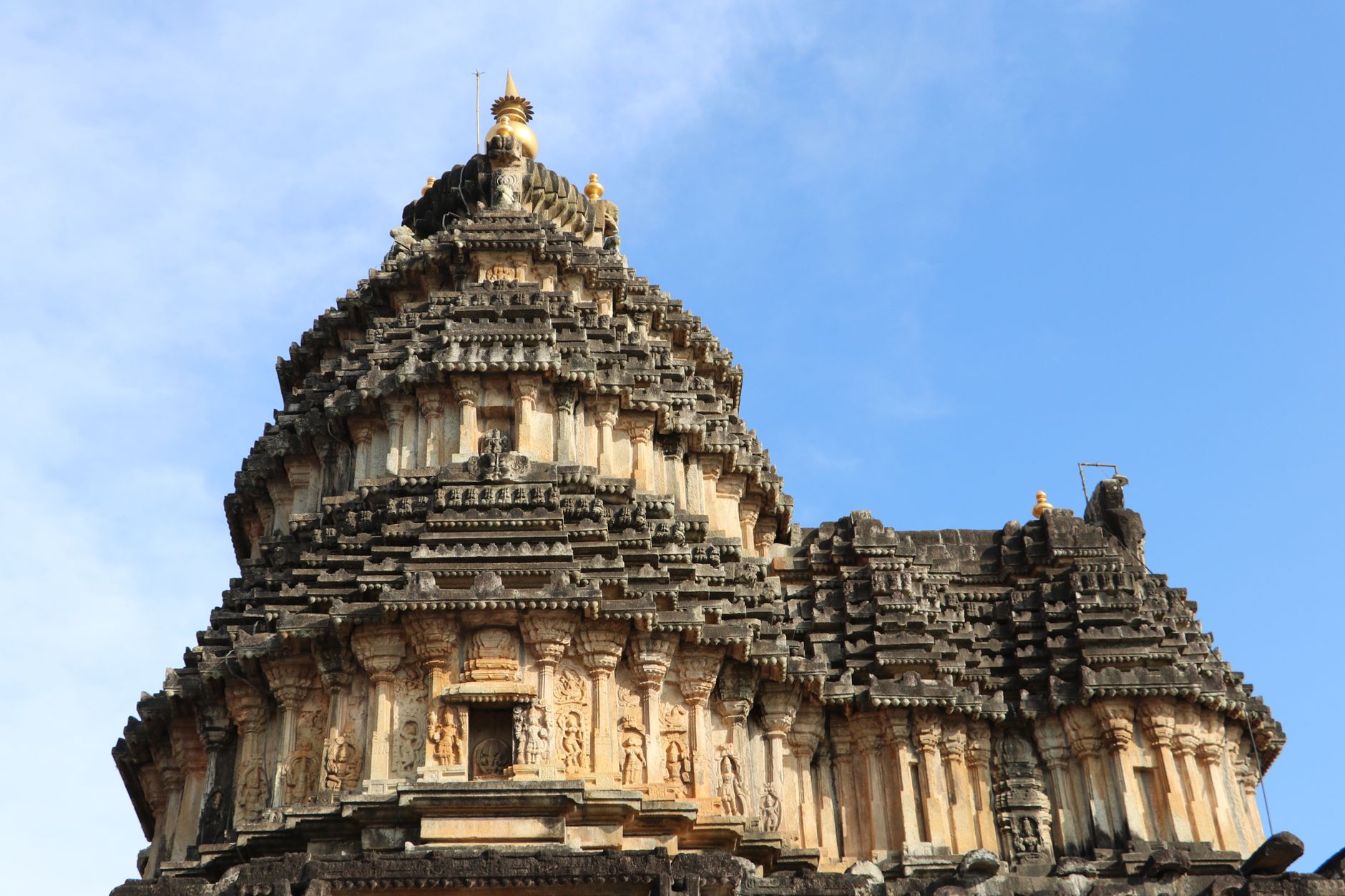
Two days in Sirsi gives you enough time to visit its most significant waterfalls and temples, walk through spice and areca gardens, eat a proper Malnad meal, and return home without feeling rushed. It won't cover everything — this is dense, layered territory — but it will give you a genuine sense of the place rather than a checklist of ticked boxes.
Why does Sirsi deserve two full days rather than a day trip?

Sirsi sits at the edge of the Sahyadri ranges in Uttara Kannada, and the roads connecting its main attractions meander through rubber and areca plantations, past streams that cross the tarmac in the monsoon, and through forested stretches where the light changes completely. Rushing between waterfalls by car feels like reading only the chapter headings of a book. Giving yourself two days lets you walk a little, linger over a meal, and visit at the right hour of day when the light actually flatters the landscape — early morning at the temples, late afternoon at the falls.
If you're deciding when to make the trip, the Sirsi best time to visit guide covers the considerable difference between the lush post-monsoon months and the clearer, more accessible winter season.
Related: One Day in Udupi: What Not to Miss
See also: Mysore in 2 Days: The Complete Itinerary & Where to Stay
Related: Sakleshpur in 2 Days: What to See and Where to Stay
Day One: Temples, town, and the forest edge

Morning — Marikamba Temple and the old town
Start early at the Marikamba Temple in the centre of Sirsi. This is the town's spiritual anchor, dedicated to the goddess Marikamba, and the architecture — layered gopuram, carved mandapas, the contained energy of a working pilgrimage site — rewards an unhurried visit. Arrive before nine and you'll find the morning aarti underway, the air thick with camphor and the sounds of the nagaswaram. Remove footwear well before the entrance and dress conservatively; this is an actively worshipped temple, not a monument.
Afterwards, walk through the market streets nearby. Sirsi's weekly market (Fridays) is particularly worth catching if your dates align — spices, raw forest honey, and local varieties of jackfruit tend to appear in volumes you won't find in urban supermarkets.
Afternoon — Unchalli Falls
Uncahlli (also written Lushington Falls) is roughly 35 kilometres from Sirsi and the road winds considerably, so allow at least an hour each way. The falls drop around 116 metres into a narrow gorge, and the approach involves a short descent on foot through forest. In the post-monsoon months — October and November especially — the volume of water is substantial and the spray reaches well before you reach the viewpoint. Carry a waterproof bag for your phone. The walk down and back up takes 30 to 45 minutes, so you want to arrive by 2pm at the latest to have time at the base before light fades.
Evening — settle in, eat well
Return to Sirsi by early evening. The town has a cluster of small restaurants along the main road serving standard Karnataka thalis and, in some places, Malnad-specific preparations: coconut-heavy curries, jackfruit preparations when in season, and rice-based dishes that differ noticeably from the Udupi style you'd find on the coast. Look for places that are full of local diners — that remains the most reliable quality signal.
Day Two: Waterfalls, spice gardens, and the wider forest

Morning — Magod Falls
Magod Falls, around 30 kilometres from Sirsi, is formed by the Bedthi River and drops in two tiers through forested land. It's less visited than Unchalli, which means you're more likely to have the viewpoints to yourself, especially on a weekday morning. The light in the first two hours after sunrise falls directly into the gorge, making it the better time for photography. The path to the lower viewpoint is uneven and can be slippery; good footwear matters here.
Mid-morning — spice and areca plantations
The land around Sirsi is as much about its agricultural identity as its waterfalls. Several farms in the area allow informal visits — ask at your accommodation for introductions, since local knowledge works better than cold arrivals. Walking through an areca garden, understanding how cardamom grows, or seeing how pepper vines climb their host trees gives context to the region that a viewpoint cannot.
Afternoon — Sahasralinga
Sahasralinga, on the banks of the Shalmala River about 14 kilometres from Sirsi, is among the most arresting sites in Uttara Kannada. Hundreds of Shiva lingas carved into the riverbed and the adjacent rocks emerge and submerge with the river's seasonal level. In the post-monsoon period the water is still relatively high and only some of the lingas are visible; by January and February the river drops and the scale of what was carved here becomes clearer. The site is spiritually significant and also visually unlike anything else in Karnataka.
Where should you stay in Sirsi?
Accommodation in and around Sirsi ranges from basic town hotels to forest-edge properties, and the right choice depends on what you value more — convenience and a morning walk to the temple, or quiet and birdsong at six in the morning.
Best rated overall: Captain's Camp holds a 9.1/10 from its reviewers and sits in the category of properties that position themselves near forest. For a similar rating with fewer reviews, Whispering Pines Haven also scores 9.1/10 and suits travellers looking for a quieter setting.
Most reliable town hotel: Hotel Supriya International Sirsi carries an 8.5/10 from 75 reviews — the largest review sample on this list — which gives its rating real weight. It's a three-star property in town, which means early temple visits and restaurant access are straightforward.
Mid-range with character: ASHWINI HOTEL & LODGEING scores 8.0/10 from 34 reviews and lists as five-star, which in Sirsi's context signals a step up in amenities rather than international luxury standards.
Resort experience: Evergreen Resort has a 7.6/10 from 27 reviews and suits those who want a more self-contained stay with a garden or outdoor space.
Worth knowing: Jungle Wood House and Ibbani Jungle Resort are both available, though their review ratings (6.1 and 4.1 respectively) suggest booking with some caution, or reading current reviews carefully before committing. Kamadhenu Comforts and Pragathi homestay have no reviews as yet, which makes them harder to recommend with confidence, though a homestay can offer a genuinely personal experience if you're comfortable with that uncertainty.
For broader context on the town itself — what it looks and feels like across seasons, how to get there, and what the surrounding district offers — the Sirsi destination page covers the fundamentals worth knowing before you arrive.
Practical notes before you go
Sirsi is well connected by bus from Hubli (around three hours) and Bangalore (overnight services run regularly). Having your own vehicle — a hired car or a two-wheeler for those comfortable with mountain roads — gives you much more flexibility with timing, especially for the waterfalls. Petrol stations are available in town. Mobile data coverage thins considerably once you're in the forested areas, so download offline maps before leaving town each morning.
FAQ
Is two days enough time for Sirsi? Two days covers the main waterfalls, the Marikamba Temple, and Sahasralinga comfortably if you move efficiently. A third day allows for slower travel and exploration of the wider Uttara Kannada forest areas.
What is the best time of year to visit Sirsi? October to February offers the most reliable access. Post-monsoon (October–November) brings lush landscapes and full waterfalls; December to February is drier and clearer, and the Sahasralinga sculptures are more fully visible as river levels drop.
Can I visit Sirsi without a private vehicle? Yes, though it requires planning. Local autos and taxis are available in town for hire to the main sites. Some waterfalls have infrequent bus connections. Having your own transport makes the two-day itinerary considerably smoother.
Is the Marikamba Temple accessible to non-Hindu visitors? Yes, visitors of all backgrounds are generally welcomed. Dress modestly, remove footwear before entering the temple precinct, and avoid visiting during the busiest prayer times if you prefer a quieter experience.