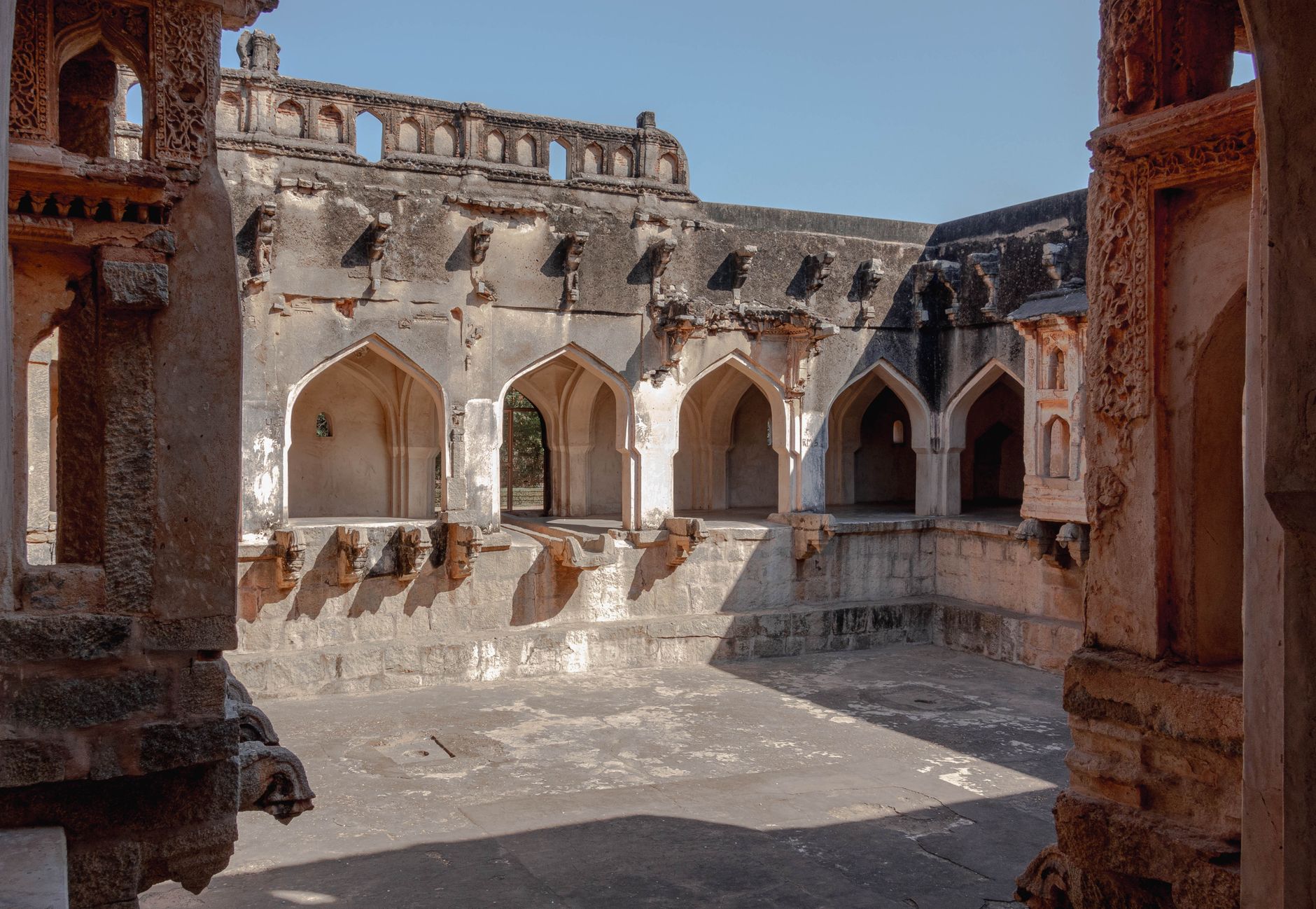
With just one day in Vijayapura, focus on Gol Gumbaz at dawn, Ibrahim Rauza before noon, and the old city bazaars in the afternoon. This itinerary sequences the monuments logically, avoids midday crowds, and tells you exactly which corners of this underrated Deccan sultanate city deserve your limited time.
Vijayapura — still called Bijapur by many locals and signboards — sits in northern Karnataka's dry Deccan plateau, a city whose scale of ambition once rivalled Agra. The Adil Shahi sultans built on an extraordinary level, and a single focused day will reveal why this place lingers in the memory long after you've left.
How Should You Start the Morning in Vijayapura?
Arrive at Gol Gumbaz when the gates open at sunrise (around 6:00 am). The world's second-largest dome — 44 metres across — sits in a garden that feels genuinely tranquil in the first hour. The famous Whispering Gallery running around the interior drum is the centrepiece: a whisper on one side carries with startling clarity to the opposite wall. Come early, because by mid-morning tour groups fill the gallery and every whisper becomes a shout.
Related: One Day in Bengaluru: What Not to Miss
See also: Mysore in 2 Days: The Complete Itinerary & Where to Stay
Related: Bidar in 2 Days: What to See and Where to Stay
Spend 60 to 90 minutes here. Climb to the gallery level, walk the external terrace for views over the city's rooftops and minarets, then spend a few quiet minutes in the Archaeological Museum housed in the Nakkar Khana (drum house) on the same grounds — it holds a lovely collection of Adil Shahi pottery, brassware, and carved stonework.
Seasonal note: November through February is the sweet spot — clear skies, comfortable temperatures, and the stone's warm colour in winter light is beautiful. Visiting in June or July during monsoon? Expect overcast skies that soften the glare but also mean slippery steps and potential afternoon downpours. The crowds thin considerably in the rains, which some travellers find worth the trade-off.
Where Should You Go After Gol Gumbaz?
Head directly to Ibrahim Rauza, roughly two kilometres west. If Gol Gumbaz impresses with scale, Ibrahim Rauza seduces with refinement. The tomb of Ibrahim Adil Shah II and his queen stands alongside a mosque on a shared plinth, surrounded by a water-channel garden. The perforated stone screens — jali work of extraordinary delicacy — are arguably the finest in Deccan architecture. Scholars have long argued that Vijayapura's architectural vocabulary influenced early Mughal building traditions, and standing at Ibrahim Rauza you can see why.
Allow 45 to 60 minutes here. The site is far less crowded than Gol Gumbaz, which makes it easier to absorb the detail in the carvings and calligraphy.
What Else Is Worth Squeezing Into a Single Day?
By late morning you'll have seen the headline monuments. Use the remaining daylight for the city's overlooked corners.
Malik-e-Maidan — walk or take an auto-rickshaw to see the world's largest medieval cannon, cast in 1549 and hauled to Vijayapura by a team of buffaloes and elephants. It's a brief stop — 20 minutes — but the sheer mass of the thing is viscerally impressive.
Jama Masjid — one of the finest mosques in the Deccan, with 45 bays, an unfinished but enormous prayer hall, and a courtyard that could hold 2,000 worshippers. Visit respectfully and at an appropriate time (not during prayer times). The dappled light through the arches in the early afternoon is genuinely lovely.
Citadel and Asar Mahal — the old citadel area holds the Asar Mahal, built in 1646 as a hall of justice, now said to house relics of the Prophet. The frescoes on the upper floor (visible from the courtyard) are faded but atmospheric.
Bazaar walking — by late afternoon, devote an hour to wandering the lanes near the old city centre. The market sells Kasuti embroidery (Karnataka's distinctive cross-stitch textile tradition), local jaggery, and Ilkal-style fabric. The street food stalls begin coming alive as the heat eases — look for jolada rotti (sorghum flatbread) with ennegai (stuffed brinjal curry), the definitive north Karnataka plate.
Where Should You Eat in Vijayapura?
For lunch, look for a local restaurant near the citadel area serving north Karnataka thali — expect jolada rotti, shenga chutney (groundnut), and spiced lentils. Vijayapura's cuisine leans earthy and hearty, suited to the dry plateau climate. For dinner, most of the recommended hotels have acceptable in-house restaurants if you're too tired to explore.
Where Should You Stay in Vijayapura?
If your one day actually means arriving the night before and leaving the following afternoon, a comfortable base makes a real difference. Vijayapura's accommodation options are modest in range but several perform well.
Pravasa Hotel Vijayapura leads the pack with a 9.1 rating from 82 reviews, the city's only 4-star option worth its classification. It's a solid splurge if you want reliable air-conditioning and a clean full breakfast.
For the best value-to-comfort ratio, Hotel Unnati Stay Inn Vijayapura By HRG scores an impressive 8.8 from 88 reviews — guests consistently note the cleanliness and helpful staff. VOV Hotels Vijayapura a part of Shubhashree group and The Fern Residency Vijayapura both carry 8.6 ratings and represent the city's most established mid-range choices.
Budget-conscious travellers might consider KSTDC Hotel Mayura Adilshahi Bijapur, the state tourism department property with an 8.5 rating — it sits close to Gol Gumbaz, which is genuinely useful for an early start. Hotel Madhuvan International (8.2) and Kyriad Hotel Vijayapura by OTHPL (8.2) are dependable alternatives in the mid-range tier.
Hotel Vishram Vijayapura a part of Shubhashree group (7.6) and Hotel Town Palace Vijapur (7.9) sit slightly below in guest satisfaction but remain functional options if the better-rated properties are full.
Is Vijayapura Better Combined With Another Destination?
If your schedule permits two days rather than one, Vijayapura pairs naturally with Badami, Aihole, and Pattadakal — collectively a sweep through Karnataka's layered history from early Chalukya to Adil Shahi. Badami is roughly three hours by road. For broader Karnataka travel planning, the northern circuit deserves more time than most itineraries allow it.
Vijayapura itself is well connected by train and bus from Bengaluru (roughly nine hours by overnight train), Hubli, and Solapur on the Maharashtra border.
FAQ
How many hours do you need in Vijayapura? A well-paced single day — roughly 8 to 9 hours of sightseeing — covers all the essential monuments comfortably. An early start at Gol Gumbaz is key to avoiding heat and crowds.
Is Vijayapura worth visiting in monsoon? It's manageable but imperfect. The Deccan plateau receives moderate rainfall (less than coastal Karnataka), so heavy downpours are less frequent. Crowds thin dramatically and greenery appears around the monuments — but some outdoor walking becomes muddy and skies stay overcast. October through March is more reliable.
Are guides available at the monuments? Licensed guides approach visitors at Gol Gumbaz — they're worth hiring for the detail they add on Adil Shahi history, architecture, and the building techniques behind the dome. Agree on the fee upfront.
How far is Vijayapura from Bengaluru? Approximately 530 km by road (around 8–9 hours driving) or overnight train. Flying is not practical — the nearest useful airport is Hubli, about 200 km away. Most visitors arrive by overnight train and use the early morning arrival for a head start on sightseeing.