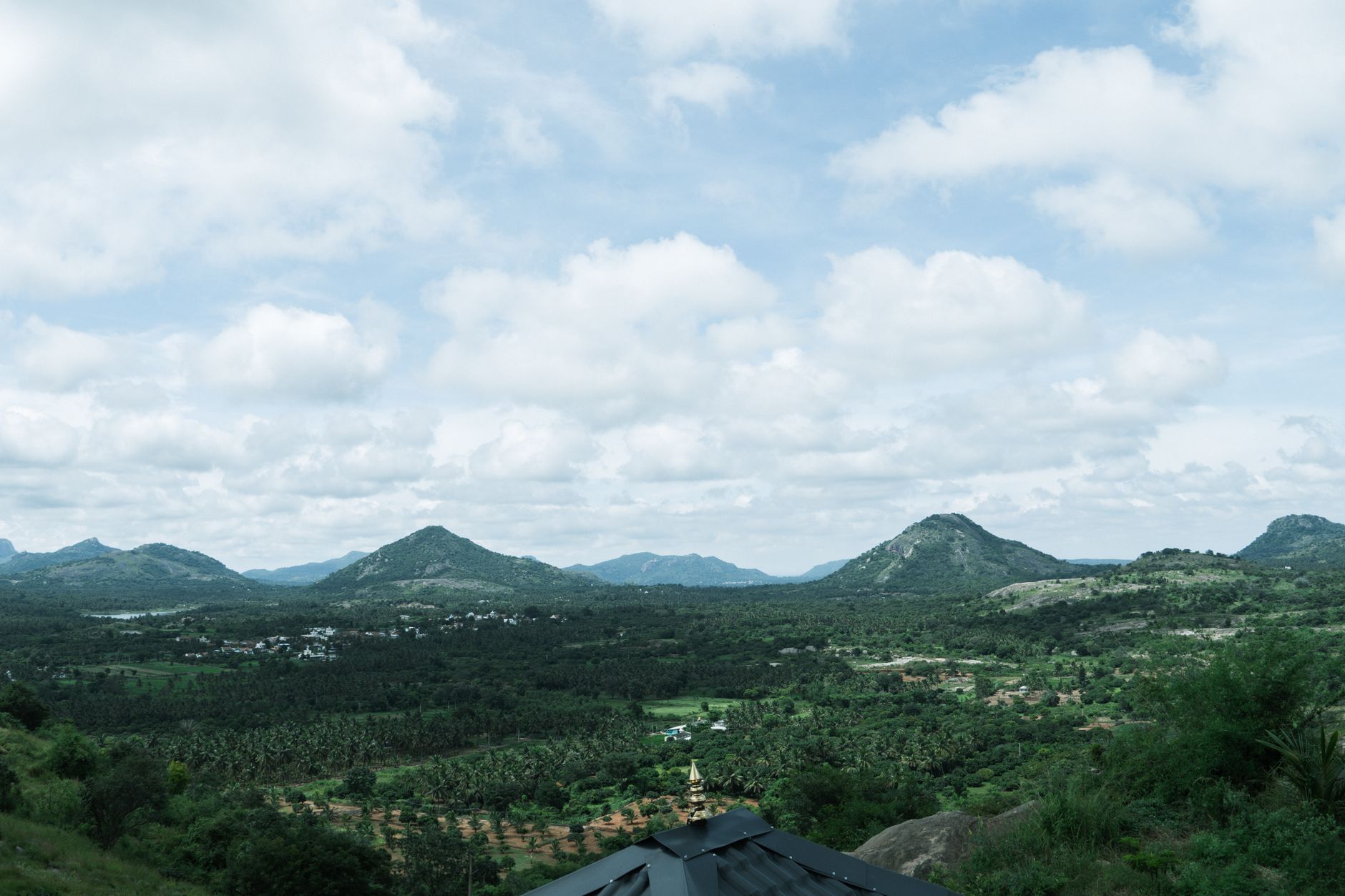
One day in Shivamogga gives you just enough time to touch the city's three distinct personalities — wildlife sanctuary, thundering Western Ghats waterfall country, and a laid-back Malnad market town. Prioritise the elephant camp early, tackle a natural sight by mid-morning, and leave the afternoon for the city's quieter pleasures. Read on for the full hour-by-hour plan.
Why Does Shivamogga Reward Even a Short Visit?
Shivamogga (also spelled Shimoga) sits at the edge of the Western Ghats, where the flat Deccan plateau suddenly crumples into coffee and areca-nut estate country. The air carries a particular dampness even in the dry months of October to February — a faint sweetness of cardamom and wet laterite that you notice the moment you step outside the city's main bazaar. Even on a single day, that contrast between urban Karnataka and the forest fringe is striking enough to stay with you.
For context on planning around the seasons, our Shivamogga destination guide covers the honest trade-offs in detail.
Related: Hassan in 2 Days: What to See and Where to Stay
See also: Mysore in 2 Days: The Complete Itinerary & Where to Stay
Related: Bidar in 2 Days: What to See and Where to Stay
How Should You Start Your Morning (7:00 AM – 9:30 AM)?
Sakrebyle Elephant Camp is the non-negotiable first stop, and you must arrive early. The camp, run by the Karnataka Forest Department, houses domesticated elephants used in forest operations. Morning is when the mahouts bathe the elephants in the Tunga River — a calm, unhurried ritual that feels entirely different from any packaged wildlife experience. The animals wade chest-deep into the green water while handlers scrub their backs with rough brushes; the low morning light turns the river surface copper.
If you want to stay the night before or after your day trip, Jungle Lodges And Resorts- Sakrebyle Elephant Camp sits directly at the camp and holds an exceptional rating of 9.2/10 from 117 reviews — the most immersive option available near Shivamogga.
Allow roughly two hours here, then head back towards the city for a quick breakfast at a local darshini (self-service café) — idli, vada, and strong filter coffee, the standard Malnad morning.
What's the Best Natural Sight to Visit by Mid-Morning (10:00 AM – 1:00 PM)?
This is where your one-day itinerary branches depending on the season.
October to February (dry season): Head to Gajanur Dam and reservoir, about 15 kilometres from the city. The reservoir is calm and wide, surrounded by low forested hills, and the dam's spillway is often partly open. It is genuinely scenic without requiring a long drive, leaving you time for a second sight.
June to September (monsoon): The falls around Shivamogga transform completely. Shivanasamudra Falls is further away, but if you have a car, the waterfalls along the Bhadra river corridor — including the smaller cascades near Jog Falls (roughly 100 kilometres northwest) — are at their absolute peak. Be realistic about distances: Jog Falls is a half-day round trip from Shivamogga alone, so treat it as a dedicated excursion rather than a quick stop. For a single day, choose one waterfall within 30–40 kilometres, such as the lesser-visited Magod Falls approach roads, and accept that you won't see everything.
Our best time to visit Shivamogga guide breaks down what each season actually looks like on the ground.
Where Should You Eat Lunch in Shivamogga (1:00 PM – 2:30 PM)?
Return to the city for lunch. Shivamogga's Malnad cuisine is quietly excellent: look for a restaurant serving Malnad thali, which typically includes rice, sambar, a coconut-based curry, raw banana fry, and a small cup of payasam. The flavours are less fiery than coastal Karnataka cooking and more aromatic — heavy on coconut, pepper, and green chilli.
For a comfortable base that keeps you central, Royal Orchid Central Shimoga rates 8.8/10 from over 1,000 reviews and is well-positioned for walking to the city's eating options. If you prefer something with genuine Malnad character, Malnad Shire An Eco Resort- Shivamogga carries the area's highest city-hotel rating at 8.9/10 from 956 reviews and is worth booking even for a single night.
What Should You Do During the Afternoon (3:00 PM – 6:00 PM)?
Shivappa Nayaka Palace in the city centre is undervisited and genuinely interesting — a 17th-century palace that served the Keladi Nayaka rulers, now a small but well-maintained museum with copper-plate inscriptions, weapons, and local artefacts. It takes about an hour and feels nothing like the more famous palace museums of Mysuru.
From there, walk to the Tunga Anicut (the old weir across the Tunga River) for a late-afternoon stroll. The river here is shallow and wide, with local families using the ghats in the early evening. It's an unpretentious, genuinely local scene.
If shopping interests you, the main bazaar near the bus stand sells areca nut, cardamom, and locally produced honey — practical souvenirs from the Western Ghats hinterland.
Which Hotels Make Sense for a One-Night Stay Around This Itinerary?
Here's a quick comparison to match different travel styles:
| Hotel | Stars | Rating | Best For |
|---|---|---|---|
| Jungle Lodges And Resorts- Sakrebyle Elephant Camp | 3★ | 9.2/10 | Nature immersion at the camp itself |
| Kimmane Luxury Resort | 5★ | 9.2/10 | Estate-style luxury, Malnad setting |
| Malnad Shire An Eco Resort- Shivamogga | 4★ | 8.9/10 | Eco-resort feel near the city |
| Royal Orchid Central Shimoga | 4★ | 8.8/10 | Central location, business-friendly |
| Harsha The Fern Shivamogga | 5★ | 8.4/10 | Full-service city hotel |
| Green View Clarks Inn, Shimoga, Karnataka | 3★ | 7.8/10 | Budget-friendly city base |
For a purely city-based overnight, Royal Orchid Central Shimoga is the most practical choice. For something memorable, the combination of Sakrebyle camp lodging the night before and the city the next day is hard to beat.
Is One Day in Shivamogga Actually Enough?
Honestly, one day gives you a taste rather than a full picture. You can comfortably cover the elephant camp, one natural sight, and the Shivappa Nayaka Palace. What you'll miss is the slower Malnad pace — sitting on a coffee estate veranda, walking the edges of the Bhadra Wildlife Sanctuary, or making the full trip to Jog Falls. If Shivamogga surprises you (and it tends to), a second day is easy to justify. The Shivamogga travel guide has the fuller picture for extended trips.
FAQ
What is the best time of year for a one-day visit to Shivamogga? October to February offers the most reliable weather for sightseeing, with comfortable temperatures and clear skies. Monsoon (June–September) makes the landscape dramatic and the waterfalls spectacular, but roads to some sights can be slow and slippery — factor in extra travel time.
Is Sakrebyle Elephant Camp worth visiting without an overnight stay? Yes, but arrive by 7:00–7:30 AM. The river bathing session and morning feeding are the highlights, and both wind down by 9:00 AM. A day visit costs a modest entry fee and is entirely manageable before the rest of your itinerary.
Can I visit Jog Falls and Shivamogga city in one day? Only if you have a private car and are prepared for a very full day. Jog Falls is roughly 100 kilometres from Shivamogga city, meaning around two hours each way. That leaves little time for anything else. Most visitors are better off dedicating a full day to Jog Falls separately.
Do I need to book the elephant camp in advance? Day visits to Sakrebyle generally don't require advance booking, though this can change during peak holiday periods. If you're staying overnight at Jungle Lodges And Resorts- Sakrebyle Elephant Camp, book accommodation well ahead — it's a small property with limited rooms.