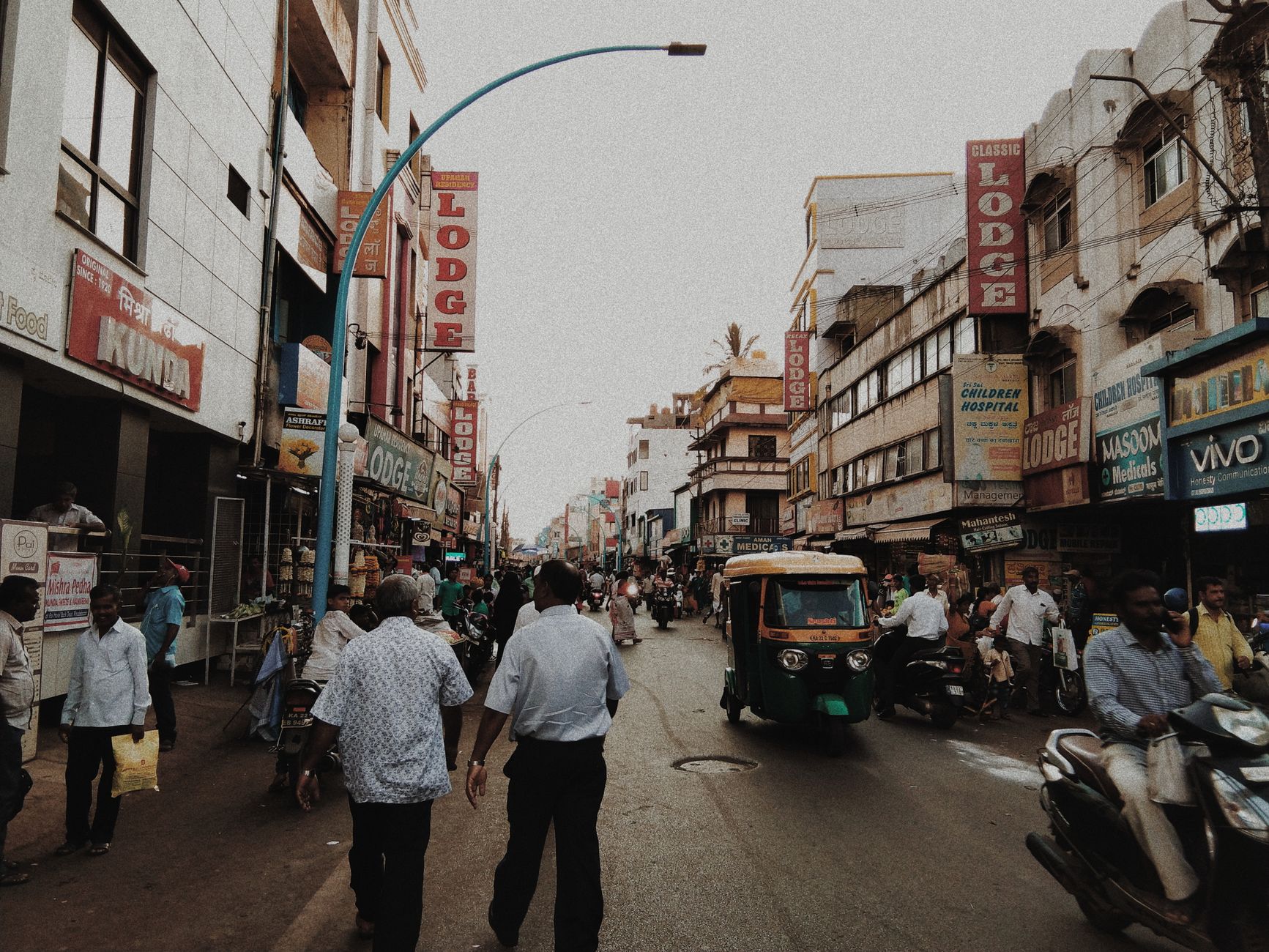
One day in Kalaburagi is genuinely enough to cover its most important monuments and absorb some of the city's distinct Deccan character. The Gulbarga Fort and Jama Masjid alone justify the trip, and a well-sequenced morning-to-evening plan lets you move through them without exhaustion. Here is exactly how to spend those hours.
What makes Kalaburagi worth a day stop?
Kalaburagi — still widely known by its former name Gulbarga — sits in northern Karnataka at a cultural crossroads between the Deccan Sultanate world and the older Kannada-speaking heartland. That tension produced some genuinely unusual architecture: a mosque modelled loosely on the Great Mosque of Córdoba, a fort layered with Bahmani and later additions, and a dargah complex that draws pilgrims from across South Asia. It is not a city that performs for tourists, which is precisely what gives it texture. Visit Kalaburagi with low expectations for polish and high expectations for authenticity, and you will leave satisfied.
When is the best time to plan your one day here?
The honest answer depends on your tolerance for heat. October through February brings sharp mornings and manageable afternoons — ideal for walking the fort's outer ramparts without wilting. March to May is ferociously hot on the Deccan plateau, with midday temperatures regularly above 40 °C; possible, but only if you confine outdoor walking to before 9 a.m. and after 4 p.m. The monsoon (June–September) softens the landscape and empties the crowds, but some lanes around the dargah turn muddy and a few smaller monument gates keep irregular hours. For a straightforward one-day visit, November or December hits the sweet spot. Read more in our Kalaburagi best time to visit guide.
Related: Chikmagalur in 2 Days: What to See and Where to Stay
See also: Mysore in 2 Days: The Complete Itinerary & Where to Stay
See also: One Day in Murudeshwar: What Not to Miss
Morning: Gulbarga Fort (7:30 a.m. – 10:30 a.m.)
Start early. The fort opens at sunrise and the low light does remarkable things to the basalt walls, turning them from grey to amber. The Gulbarga Fort was founded in the 14th century under the Bahmani Sultanate and the outer walls still enclose a substantial area. Walk the main rampart first to get your bearings — the views across the flat Deccan plain explain immediately why this ridge was chosen. Inside, the Jama Masjid is the centrepiece and one of the strangest, most beautiful buildings in all of Karnataka.
The mosque is modelled on the idea of an entirely covered prayer hall — almost every other Indian mosque of this era leaves a large open courtyard at its heart, but Gulbarga's Jama Masjid roofs nearly the entire space with a grid of 75 domes. Standing inside on a cool morning, the light filtering through the low arches, feels unlike anywhere else in the state. Dress modestly, remove shoes at the entrance, and give yourself time to walk the full perimeter of the arcade.
Also within the fort complex are several smaller tombs and a crumbling palace structure. The Archaeological Survey of India maintains the grounds reasonably well, and the relative quiet of early morning is a genuine gift.
Mid-morning: Dargah Hazrat Khwaja Banda Nawaz (11:00 a.m. – 12:30 p.m.)
A short auto-rickshaw ride from the fort brings you to the dargah of Hazrat Khwaja Banda Nawaz Gesudaraz, one of the most significant Sufi shrines in peninsular India. The 15th-century saint was a key figure in the spread of the Chishti order across the Deccan, and his tomb draws Muslims, Hindus, and curious visitors throughout the year. The complex is always busy but rarely overwhelming outside the annual Urs festival.
The architecture here layers centuries — original Bahmani stonework, later additions in lime plaster, and modern tiling around the tomb chamber itself. The library attached to the dargah reportedly holds thousands of Persian and Urdu manuscripts, though access for casual visitors is limited. Even standing in the outer courtyard and watching the steady flow of pilgrims is quietly moving. Dress conservatively; women are asked to cover their heads.
Lunch: Kalaburagi's Deccan kitchen (1:00 p.m. – 2:00 p.m.)
Kalaburagi's food culture is deeply Hyderabadi-inflected: biryani cooked long and fragrant, heavily spiced mutton curries, and the local version of roti that is thicker and chewier than its coastal counterparts. Several small restaurants around the dargah and the old city bus stand serve excellent lunches. Ask specifically for talawa gosht if you eat meat — it is the city's signature dry-fried lamb preparation, and nowhere else in Karnataka does it quite this way.
Afternoon: Sharana Basaveshwara Temple and Budda Darga (2:30 p.m. – 4:30 p.m.)
The Sharana Basaveshwara Temple is a major Lingayat pilgrimage site and architecturally distinct from the earlier monuments — it is more recent but built with genuine devotional care, and the atmosphere in the inner sanctum during afternoon prayer is thick with incense and ringing bells. It sits near a tank that reflects the gopuram in the early afternoon light.
If time allows, the Budda Darga (also called Chota Dargah) nearby is a quieter, older shrine worth a brief stop. The carved stonework on the gateway shows Bahmani craftsmanship at its most intricate.
Evening: The old city and departure or overnight stay
By 5 p.m. the light softens and the old city bazaars near the fort gate come alive with vegetable sellers and chai stalls. A slow walk here, watching the city move through its evening rhythms, is not a monument but it is the best possible ending to the day.
If you are continuing your Kalaburagi visit into a second day or simply need a comfortable overnight, here are the options we recommend:
- ZEST CLUB — 4 stars, rated 8.7/10 from 58 reviews, and the highest-rated mid-range option in the city.
- Enrise By Sayaji Kalaburagi — 3 stars but rated 8.7/10 from 33 reviews; good facilities for the price.
- Mastiff Select Gulbarga Hotel — another 8.7/10 rated property at 3 stars, popular with business travellers but perfectly comfortable for tourists.
- SR Continental — the city's only listed 5-star option, rated 8.4/10 from 158 reviews; the most consistent track record for comfort.
- Budget-conscious travellers: Kyriad Hotel Gulbarga earns a solid 7.9/10 from 122 reviews and offers reliable basics without overspending.
Avoid Regal Residency (5.2/10) and OYO 38770 Hotel Regal Residency (5.7/10) unless all other options are genuinely full.
FAQ
How many hours do I actually need at Gulbarga Fort? Budget at least two to two and a half hours if you want to walk the ramparts and spend proper time in the Jama Masjid. Rushing it in an hour means missing the fort's quieter corners.
Is Kalaburagi safe for solo women travellers? Generally yes, though the old city lanes near the dargah can feel crowded and pushy during peak pilgrimage times. Dressing conservatively and hiring an auto-rickshaw rather than walking unfamiliar areas after dark is sensible practice.
Can I see everything in this itinerary without a private car? Yes. Auto-rickshaws cover all the distances easily, and because the fort, dargah, and Basaveshwara Temple form a rough triangle across the city, fares are modest. Negotiate a half-day rate with a driver at the fort gate — most are experienced at running this circuit.
Is there anything to do in Kalaburagi besides monuments? The Gulbarga University campus has pleasant gardens open to visitors, and the weekly Raichur Road market (Thursdays) gives a vivid slice of rural Deccan commerce if your visit coincides. The city rewards slow curiosity more than a checklist approach.