Gokarna in August: Weather, Activities & Travel Guide
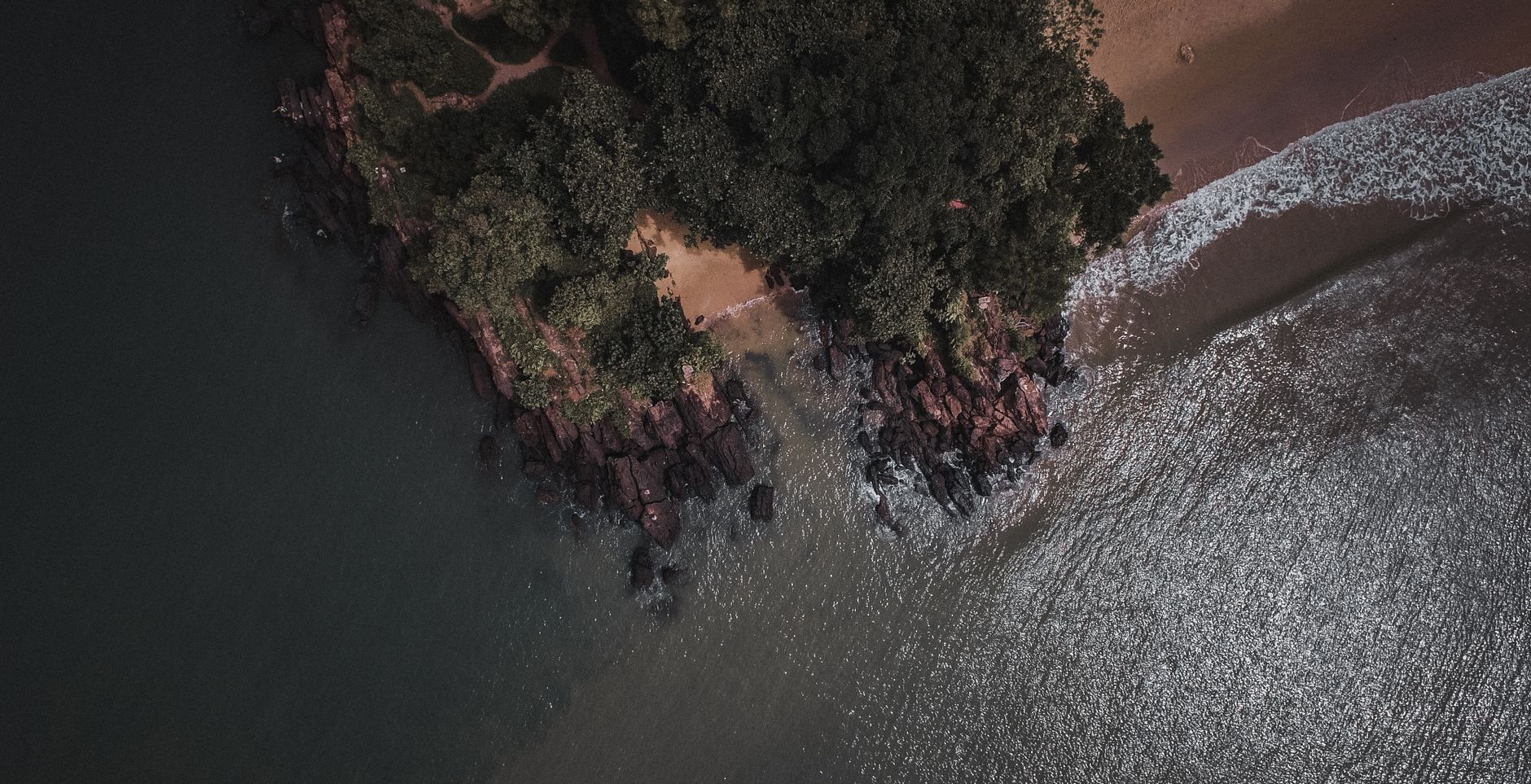
August is monsoon month in Gokarna, and it's genuinely worth considering if you prefer solitude, lower prices, and dramatic weather. Rainfall is heavy—expect 300–400 mm—but the backwaters, cliffs, and temple gardens become lush and photogenic. Swimming is unsafe, but trekking, exploring cave temples, and enjoying empty beaches are ideal. Accommodation costs drop 30–50% compared to peak season.
What's the weather really like in Gokarna during August?
August is the peak of the Southwest Monsoon. Daytime temperatures hover around 28–30°C, but humidity is high (80–90%). Rain falls most afternoons and evenings, often in heavy bursts lasting 1–3 hours. Mornings tend to be clearer; plan outdoor activities early. The sea becomes rough, with strong currents and churning waters—swimming is actively discouraged by locals and lifeguards. Occasional landslips can occur on steep coastal trails after heavy rain.
Despite the rain, visibility is often excellent after showers clear, and the landscape glows green. Bring a waterproof bag, sturdy waterproof shoes, and a light rain jacket you can stuff into a backpack.
Related: Aasare Beach, Udupi: A Local's Guide to Karnataka's Hidden Coastal Gem
Related: Chingara Waterfalls: A Complete Visitor's Guide
Related: Hotels Near Kempegowda Airport With Free Shuttle: What You Actually Need to Know
Is August a good time to visit Gokarna?
It depends on what you value:
Yes, if you:
- Want peaceful, near-empty beaches and fewer tourists
- Enjoy hiking and exploring temple caves
- Prefer atmospheric, moody coastal scenery
- Need affordable accommodation (20–50% discount)
- Don't mind wet weather or limited water activities
- Are flexible with plans (some days may be too wet for outdoor activities)
No, if you:
- Plan mainly sea swimming or water sports
- Dislike sudden heavy rain
- Prefer consistent, dry weather
- Need reliable transport (some coastal roads become hazardous)
For contrast, check out Gokarna's best time to visit to compare August with October–February, when weather is dry and tourist numbers are highest.
What can you actually do in Gokarna in August?
Trekking and coastal walks The three main beach treks—from Kudle to Half Moon, Half Moon to Paradise, and Paradise to Nirvana—are still walkable, though muddy. Morning treks (6–9 a.m.) before rain arrives are best. The cliffs are slippery; wear grip-soled shoes. Post-rain walks are magical—mist clings to the hillside, and waterfalls cascade down the rocks.
Temple exploration Gokarna's temples—Mahabaleshwar, Bhavaneshwara, and smaller cave shrines—draw few visitors in August. The cooler, quieter temple grounds and gardens are excellent for photography. Early morning temple visits avoid crowds and afternoon heat.
Beachside relaxation While swimming isn't safe, sitting on beaches watching the grey sea, reading, or simply absorbing the solitude is restorative. Main Beach and Kudle Beach have rustic shacks (many open year-round) serving chai, fresh coconut water, and meals. The vibe is intimate and peaceful.
Ombak Lake exploration Just north of town, this shallow freshwater lake is ringed with mangroves. August rains swell it beautifully; local boats offer small tours. It's a birdwatcher's spot during monsoon.
Photography Monsoon light is soft and dramatic. Rain-washed temples, mist-wrapped headlands, and wet sand reflections create striking images. Visit early morning or after showers when the light turns golden.
Local food experiences Visit Gokarna's fishing markets (early morning) to see monsoon catches. Fish curries prepared fresh at beach shacks are excellent. Homestays and small eateries often cook to order.
How does August in Gokarna compare to other monsoon months?
August vs July: August has heavier, more consistent rain. July can be drier; August feels more fully committed to the monsoon.
August vs September: September rains taper slightly, and the sea becomes marginally calmer. August is wetter but still atmospheric.
August vs October: October is dry, sunny, and crowded. August is wet, quiet, and moody. Choose August for solitude; October for reliable weather and active beach life.
For more on timing, explore Gokarna's seasonal guide.
Practical tips for visiting Gokarna in August
Accommodation: Book 1–2 days ahead; most lodges stay open but fill with domestic tourists fleeing city heat during weekends. Prices are genuinely low, so quality guesthouses are affordable.
Transport: Buses from Jog Falls or Hubli run as usual; however, some coastal roads near Gokarna can become slippery or occasionally blocked after exceptional rainfall. Arrive a day early if using connecting transport. Local taxis and two-wheelers cope fine with normal monsoon conditions.
Health: Mosquitoes thrive in monsoon; bring repellent and consider a net if your room lacks effective screening. Drink bottled water; monsoon-season stomach issues are common if you're not accustomed to the cuisine. Most guesthouses have basic medical supplies.
Packing essentials: Lightweight, quick-dry clothes; waterproof shoes or sandals with grip; a proper rain jacket (thin, packable); waterproof bag for phones and valuables; medications (antihistamine, antidiarrheal); sunscreen (sun still burns through clouds); and a good torch or headlamp (evenings get dark earlier during monsoon).
Timing activities: Plan trekking and outdoor exploration for 6–10 a.m., when rain is least likely. Afternoons are typically wet. Visit temples and indoor attractions (caves, viewpoints under shelter) from noon onwards.
Festivals and events: August rarely hosts major festivals in Gokarna itself, though monsoon rituals at nearby temples (like Mahabaleshwar) are observed quietly. Check locally for Nagara Panchami (a snake-worship festival that sometimes falls in August) if interested in traditional practices.
When should you visit instead?
For guaranteed sunshine and lively beaches, consider late October through February. March–May is hot and dusty. June–August is monsoon (August being the wettest). If you love monsoons but want slightly better weather, September can be a compromise.
Frequently Asked Questions
Is it safe to swim in Gokarna in August? No. High waves, strong currents, and rough seas make swimming dangerous. Deaths occasionally occur when tourists ignore warnings. Wading in shallow water is acceptable; deep water is not. Check locally before entering the sea.
Will all beach shacks and restaurants be open in August? Most will be, though some seasonal operations close June–August. Main Beach, Kudle Beach, and central-town eateries stay reliably open. Confirm ahead if you have specific recommendations.
How much will accommodation cost in August? Expect 30–50% discounts compared to October–January rates. Budget guesthouses may be ₹800–1,200 per night; mid-range properties around ₹1,500–2,500. Price volatility is lower than in peak season.
Can I trek the coastal trails safely in August? Yes, if you're careful. Wear grip-soled shoes, avoid trekking after heavy rain, and go in daylight. Trails are muddy but not impassable. Hire a local guide for unfamiliar routes—they know monsoon hazards and can read weather cues.