Aasare Beach, Udupi: A Local's Guide to Karnataka's Hidden Coastal Gem
Aasare Beach is a quieter, often-overlooked coastal stretch just outside Udupi town, offering golden sands, calm waters, and a genuinely local feel. Unlike the crowded temple beaches of central Udupi, Aasare remains refreshingly underdeveloped—perfect if you want seaside calm without the throngs. It's a 20-minute drive from Udupi's main beaches and accessible enough for a half-day outing or sunset visit.
What Makes Aasare Beach Different from Other Udupi Beaches?
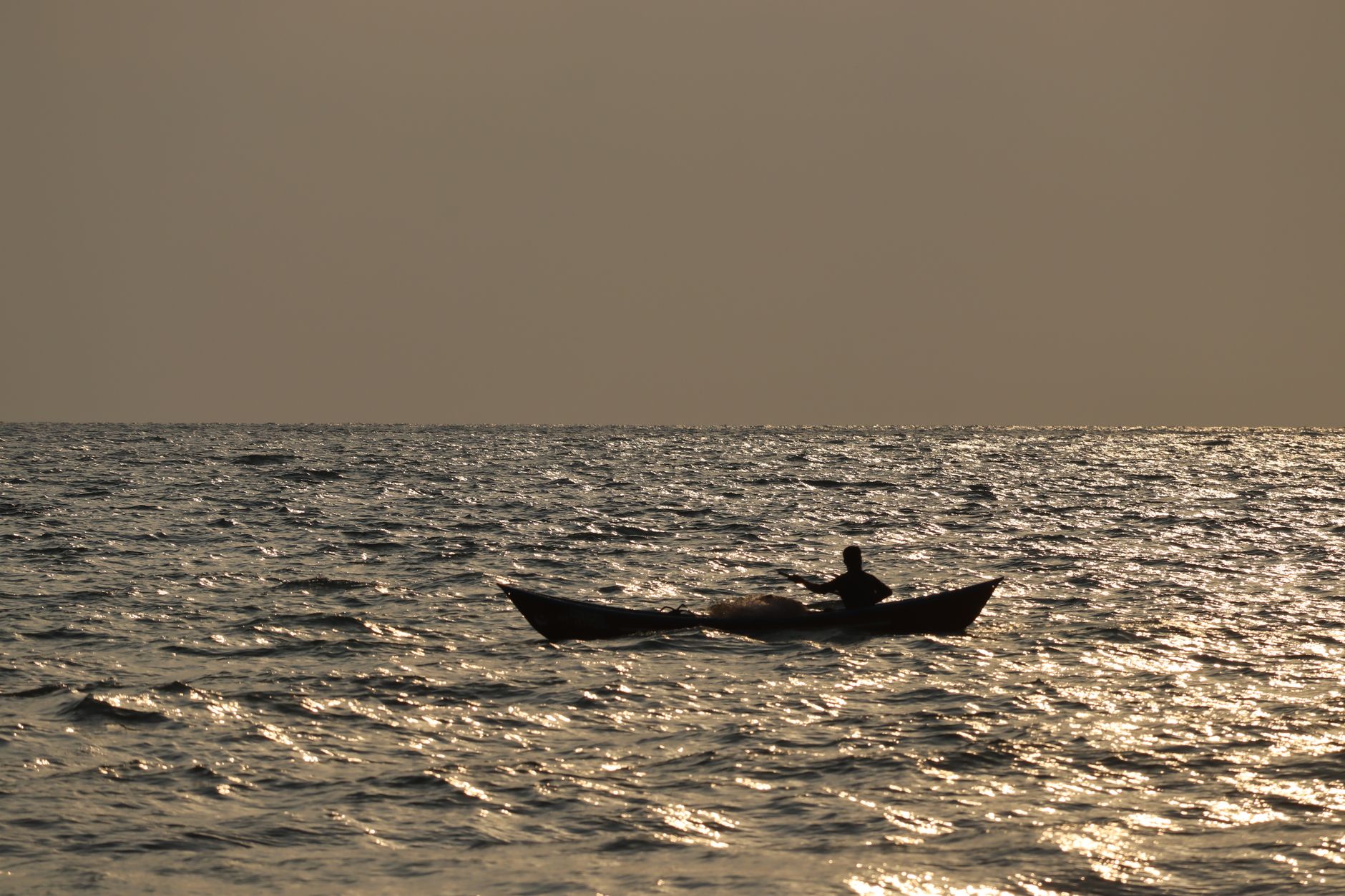
Udupi's coastline is dotted with temples and tourist hotspots: Sri Krishna Temple Beach draws pilgrims, while Manipal Beach caters to students and families. Aasare, by contrast, is less commercialised. You'll find mostly locals here—fishermen bringing in morning catches, families on weekends, and a handful of travellers who've discovered the place. The beach curves gently, with rocky patches breaking up the sand, creating natural pools and interesting geological features. The atmosphere is genuinely laid-back; there are no beach shacks blaring music or aggressive vendor clusters. It's the sort of place where you can actually hear the waves.
The water is typically calm because the beach sits in a slightly sheltered bay. This makes it safer for swimming than some of Karnataka's more exposed southern beaches, though you should always check conditions before entering.
Related: Udupi with Family: Stays and Things to Do
Related: Belambar Beach: Karnataka's Serene Coastal Escape
Related: Lalbagh and Cubbon Park: Bangalore's green escapes guide
Best Time to Visit Aasare Beach
Monsoon (June–September): Heavy rainfall and rough seas make this unsafe for swimming, though the landscape becomes lush and dramatic. Visit only if you enjoy moody, windswept beach walks.
Post-Monsoon (October–November): Excellent. The sea settles, the air clears, and it's warm but not scorching. Crowds are minimal.
Winter (December–February): Peak season in Karnataka. Daytime temperatures hover around 25–28°C, mornings are pleasant for walks, and evenings are cool. You'll encounter more visitors, but still nothing like Goan beaches.
Summer (March–May): Hot and humid, with temperatures climbing above 30°C. The sea can feel uncomfortably warm. Early-morning or late-evening visits work better; many travellers skip this season.
For the best experience, aim for October–November or December–January. Water temperature is 26–28°C year-round on the Karnataka coast.
What to Do at Aasare Beach
Swimming and Paddling: The shallow, calm waters are ideal for a refreshing dip. The sandy bottom means no sudden drop-offs in the near-shore zone.
Sunrise and Sunset Walks: Aasare's orientation offers good sunset views westward. Sunrise walks along the shoreline are quieter and cooler; locals often do this before the day heats up.
Rock Exploration: The rocky sections at either end of the beach are worth scrambling over carefully. You'll find small tidal pools, interesting formations, and occasionally shells or sea glass.
Photography: The natural light here is excellent, especially in golden hour. The lack of clutter means cleaner compositions than busier beaches.
Birdwatching: You may spot waders, terns, and occasionally migratory species depending on the season. Bring binoculars if you're keen.
Picnicking: Pack your own snacks and water. There are no formal beach restaurants at Aasare, which keeps it quiet but means you should arrive prepared.
How to Reach Aasare Beach
By Road: Aasare is roughly 20 km south of Udupi town, near the villages of Aasare and Katapadi. From Udupi Bus Station, take a local bus heading towards Kundapura or flag an auto-rickshaw (expect to pay ₹300–400 for a return trip with waiting time). The road is paved and navigable year-round.
By Car or Taxi: If you're based in Udupi town, a taxi will take about 25–30 minutes depending on traffic. The final stretch winds through small villages; GPS or a local recommendation helps.
From Manipal: The beach is roughly 15 km south; a short drive if you're staying near Manipal University.
Walking: Not practical unless you're based very nearby; the coastal path isn't clearly marked or maintained between settlements.
There is limited parking near the beach (a few informal spaces near the access point). Arrive early on weekends to secure a spot.
Local Tips for Visiting
- Bring your own supplies: Water, snacks, and sun protection are essential. The nearest small shops are in the village, a short walk inland.
- Respect fishing activity: Morning hours (5–8 a.m.) see active fishing. Stay clear of nets and boats; it's a working beach, not just a leisure zone.
- Check weather and tides: Monsoon swells can make the beach dangerous. Local fishermen are good sources of real-time information.
- Go early or late: Visiting before 10 a.m. or after 4 p.m. gives you the calmest, coolest experience.
- Minimal facilities: Toilets may or may not be available; use facilities in Udupi town before heading out.
- Watch your belongings: Petty theft is rare but not impossible; don't leave valuables unattended.
Aasare vs. Other Karnataka Beaches: Quick Comparison
| Beach | Vibe | Crowds | Facilities | Best For |
|---|---|---|---|---|
| Aasare (Udupi) | Quiet, local | Low–medium | Minimal | Calm swimming, solitude, nature |
| Manipal Beach | Student, lively | High (weekends) | Good (shacks, shops) | Nightlife, food, social scene |
| St Mary's Island (Udupi) | Temple, touristy | High | Basic | Pilgrimage, iconic views |
| Murudeshwar Beach | Historic, scenic | Medium | Good | Temple, dramatic rock formations |
| Gokarna Main Beach | Bohemian, backpacker | Medium–high | Excellent | Long stays, nightlife, traveller community |
If solitude and simplicity appeal more than facilities and crowds, Aasare wins. If you want restaurants and social energy, Manipal or Gokarna suit better.
Combining Aasare with Other Udupi Attractions
Aasare works well as part of a broader coastal day trip. Visit the Sri Krishna Temple and its beach in the morning (spiritual, busy, photogenic), grab lunch at a local restaurant, then head south to Aasare for a quieter, contemplative afternoon. If you're doing a multi-day coastal tour, Aasare pairs naturally with Udupi's other beaches and nearby Kundapura's less-developed stretches.
For more context on the wider region, check our Udupi and Kundapura pages.
FAQ
Is Aasare Beach safe for swimming? Generally yes, especially in calm seasons (October–February). The waters are shallow and sheltered, but always check current conditions and heed local advice. Monsoon seas can be rough; avoid swimming then. No lifeguards are present, so swim at your own discretion.
Are there restaurants or shops near Aasare Beach? No beach shacks or formal restaurants sit right on the sand. Small shops and basic eateries are 1–2 km inland in Aasare village. Bring your own supplies or eat before or after your visit.
How long should I spend at Aasare Beach? Two to three hours is typical for a swim, walk, and rest. If you're hiking the rocks or photographing extensively, four to five hours works. Most visitors combine it with other Udupi attractions in a full day.
Is Aasare Beach crowded? Not compared to Manipal or St Mary's Island beaches. You'll see families and locals, particularly on weekends and holidays, but never tourist gridlock. Weekday visits are much quieter.