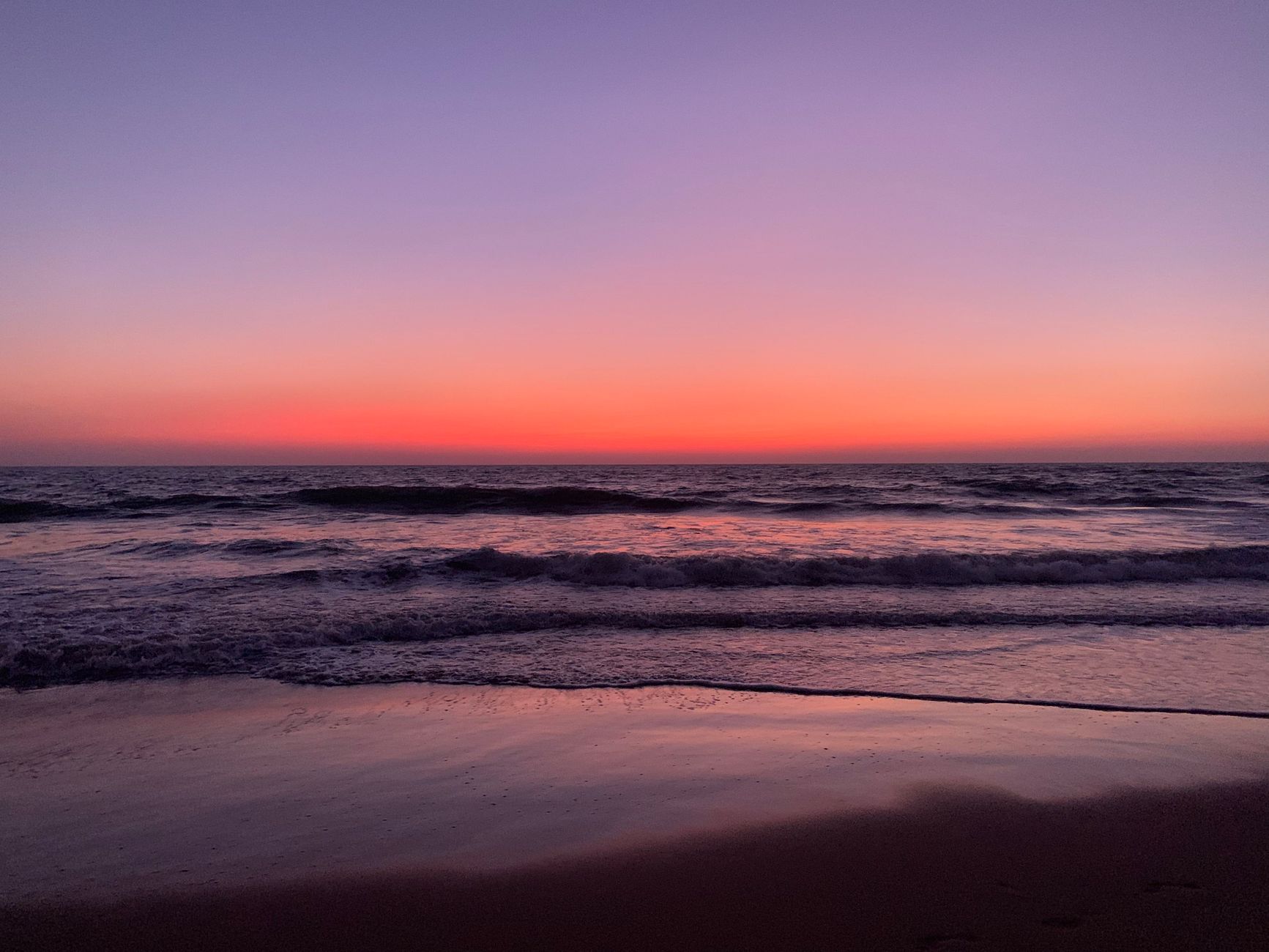
Belambar Beach: Karnataka's Serene Coastal Escape
Belambar Beach is a quiet, relatively undiscovered stretch of Karnataka's coast, distinguished by dramatic white limestone cliffs and rock formations that rise sharply from the sand. Unlike the more popular beaches further north, Belambar retains an authentically local character—fishing boats dot the shore, nets dry on the sand, and the rhythm of the village continues much as it has for generations. The water here is remarkably clear on calm days, revealing sandy beds and small marine life in the shallows. If you're seeking a beach experience without crowds, with genuine sensory immersion in coastal life, Belambar rewards the effort to reach it.
What Makes Belambar Beach Distinctive?
The defining feature is geology. Belambar's limestone formations create a dramatic landscape unlike Karnataka's sandy stretches further north. These pale, weathered rocks jut from the water and frame the beach, creating natural alcoves and tidal pools that are fascinating to explore during low tide. The formations give the beach an almost otherworldly quality, especially in late afternoon light when the stone glows warm amber.
The beach remains working territory for local fisherfolk. You'll see traditional fishing methods still in use—net casting, boat repair, the early morning departure of small wooden vessels. This authenticity is part of Belambar's appeal, though it also means the beach isn't manicured or developed as a tourist amenity. There are no beach shacks or sunbed vendors. What you get instead is genuine coastal village atmosphere.
Related: Emora Grand Bangalore: A Detailed Visitor's Guide
Related: Dandeli with Family: Stays and Things to Do
Related: Bangalore to Gokarna Distance: Route Options & Travel Guide
The sand itself is darker than many Karnataka beaches, with a grittier texture, and shells fragment underfoot. Water clarity varies seasonally; during the dry season (November to May), visibility is excellent and the water genuinely swimmable.
When Should You Visit Belambar Beach?
Dry season (November to May) is definitively the best time. December through February offers ideal conditions: calm seas, clear visibility, warm but not oppressive heat, and low humidity. The water is cool but pleasant for swimming. Sunrise at Belambar during winter is particularly memorable—the limestone formations catch the first light beautifully, and the beach is quietest in early morning before fishing activity intensifies.
Monsoon (June to September) transforms the coast entirely. Waves become substantial and sometimes dangerous, the sky hangs grey and heavy, and rain squalls pass through frequently. The limestone formations seem to loom darker and more dramatic in this season, which appeals to some travellers seeking moody, atmospheric conditions. However, swimming is unsafe and the fishing village becomes less active as boats remain beached. Road access can be compromised by heavy rainfall.
October and late May represent transition months—still pleasant but with increasing cloud cover and higher temperatures respectively.
How Do You Get There?
Belambar is located in Uttara Kannada district, around 450km from Bengaluru and roughly 70km south of Karwar. The journey itself is part of the experience. Most travellers drive via NH17 (the coastal highway), passing through small towns and forested ghats. The final approach to the village involves smaller roads that wind through coconut plantations and agricultural land.
The drive from Bengaluru takes approximately 8–9 hours depending on traffic and stops. Train options exist to nearby towns like Karwar or Kundapura, from which you'd hire a local taxi or arrange transport. The roads are generally well-maintained but not highway-standard in the final stretch, so a vehicle with reasonable ground clearance is sensible.
There is minimal signage once you're close—ask locals in the village for directions to the beach. Most visitors park near the village and walk the final 200–300 metres.
What Can You Actually Do There?
Belambar is not a destination for activities in the conventional beach-holiday sense. There are no water sports operators, no diving facilities, no parasailing. What you'll find instead:
Swimming and wading. In calm months, the water is safe and pleasant. The presence of fishing boats means you should be aware of marine traffic, but most boats operate very early morning and late afternoon.
Rock exploration. Low tide reveals fascinating tide pools and accessible rock formations. The limestone is weathered and sharp in places, so wear water shoes if you're planning to clamber. Each pool contains small fish, crustaceans, and sea stars.
Photography. The light here—especially golden hour—is exceptional. The rock formations, fishing boats, and village life offer genuine documentary and landscape photography opportunities.
Walking and quiet time. The beach stretches for a modest distance; a slow walk following the shoreline while observing village activity is itself the main occupation. Bring a book, sketch pad, or simply sit and watch the rhythm of work and tide.
Local engagement. The fishing community is generally welcoming to respectful visitors. Photographing boats or nets should be done with permission. You might witness fish being landed and sorted—an honest glimpse of coastal livelihoods.
Practical Considerations
Facilities: There are very few. No lifeguards, no beaches shops, no restaurants immediately on the sand. The nearest town with shops and eating options is several kilometres away. Bring water, snacks, sun protection, and any medications you might need.
Accommodation: There is no accommodation directly at Belambar Beach. Nearby towns such as Karwar (70km north) and Kundapura (further south) offer guesthouses and hotels at various price points. Many travellers make it a day visit from these bases or from houseboat stays in Uttara Kannada. Alternatively, homestays in smaller villages 10–15km inland are increasingly common.
Safety: The rocks are genuinely sharp and slippery when wet. Use water shoes and move carefully. The limestone can be unstable in places—don't climb unsupervised. Respect the fishing vessels and nets; they're working equipment.
Respectful visiting: This is a functioning fishing village, not a tourist attraction. Photography of people should be consensual. Don't leave litter—the isolation means waste persists. If you're swimming, be aware that you're sharing the water with boats.
Seasonal Comparison: Why December Beats August
Imagine Belambar in December: the sun warm but not fierce, the limestone cliffs crisp and pale in clear light, the water transparent enough to see the sandy bottom 2 metres out, the air salt-tinged and gentle. You can swim comfortably, explore rock pools, watch fishing activity without the hazard of rough seas.
Now imagine August: grey skies pressing down, the air so heavy it feels liquid, waves substantial and grey-green, the rocks darkened by moisture. The water is too rough to enter safely. The village feels hunched against the weather. Photography is challenging and the limestone formations become brooding rather than graceful.
Unless you specifically seek moody, dramatic conditions, December through February is objectively the better choice.
Is Belambar Right for You?
Yes, if you value solitude, authenticity, and genuine coastal atmosphere over convenience. If you want to sit quietly and watch real working life unfold rather than consume a beach experience.
No, if you require restaurants, shops, water sports, or comfortable facilities. If you prefer developed beaches with predictable amenities, consider Gokarna or Murudeshwar instead.
Frequently Asked Questions
Is Belambar Beach safe for swimming? Yes, during calm months (November to May), provided you use common sense. Monsoon seas are dangerous and should be avoided. Always be aware of fishing boats. The rocks are genuinely sharp—wear water shoes and enter carefully.
What's the nearest proper town for supplies? Karwar, roughly 70km north, has shops, restaurants, and accommodation. Kundapura to the south is another option. Don't expect to buy food, water, or supplies directly at Belambar—bring what you need.
Can I visit Belambar as a day trip from Bengaluru? Technically yes, but it's a demanding 8–9 hour drive each way. Most visitors spend at least one night in a nearby town. Better to stay in Karwar or a village homestay and make Belambar part of a broader coastal exploration.
Will I see many other tourists? Rarely. That's the entire point. You might encounter one or two other small groups, particularly in peak season (December–January), but you won't queue or compete for space. This is precisely why Belambar appeals to travellers seeking quiet.