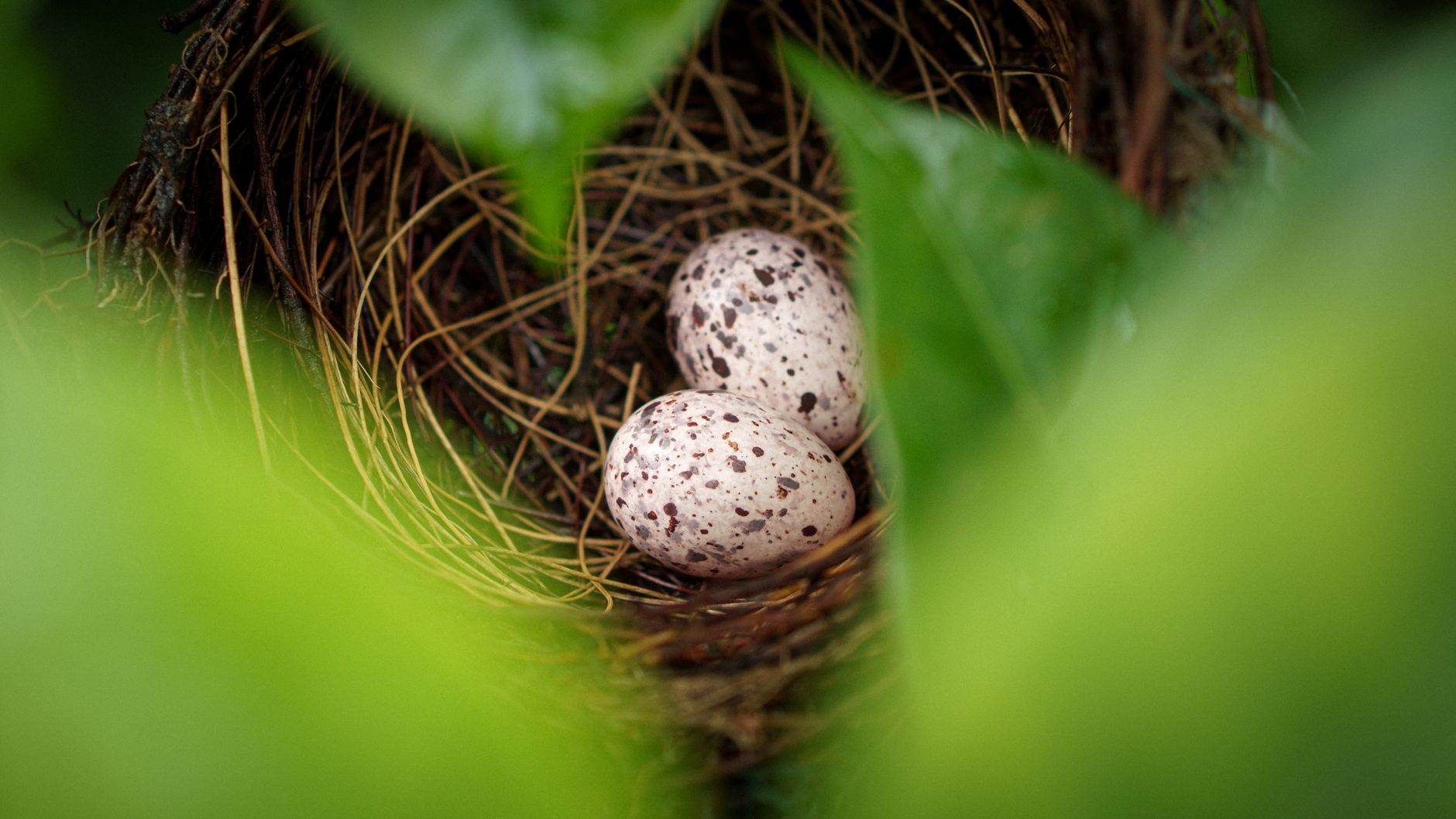
What is Coffee Nest Coorg?
Coffee Nest is an on-farm stay experience in Madikeri district, Coorg. You're housed in basic cottages or homestay rooms directly on a working coffee plantation. The concept is hands-on: you walk the rows with plantation staff, see pulping and drying, learn grading, and sometimes participate in harvesting or sorting. It's not a resort. It's functional, educational, and genuinely agricultural.
Who Should Go?
Coffee Nest suits visitors aged 20–65 who want tangible plantation knowledge, not a spa afternoon. You'll wake early (5:30–6 am), work outdoors in humidity, and interact with local farm managers. If you expect a finished product—polished service, fine dining, curated Instagram moments—skip it. If you want to see how ₹250 coffee reaches your cup, stay.
Where Exactly Is It?
Coffee Nest is in Madikeri taluk, roughly 12 km south of Madikeri town. The nearest town centre is Madikeri itself, 4 km away by road. The plantation is accessible by car; the last 2 km is unpaved but drivable in a standard sedan (avoid during heavy rain, June–September). The closest major city is Bangalore, 260 km north, a 5–6 hour drive via Mysore.
Related: Things to Do in Chikmagalur: Attractions and Local Tips
See also: Mysore Palace Illumination: When to See It and Photo Tips
Related: Coorg in Monsoon: Is It Worth Visiting?
Visit our Coorg guide for wider regional context.
How Much Does It Cost?
Room rates (August 2026):
- Basic cottage (single/double): ₹3,500–₹4,200 per night.
- Homestay room (shared bathroom): ₹2,800–₹3,500 per night.
- Twin cottage (ensuite): ₹4,500–₹5,500 per night.
Meals (optional, paid separately):
- Breakfast: ₹300–₹500 (local items, coffee, bread).
- Lunch: ₹600–₹800 (rice, curry, salad).
- Dinner: ₹600–₹800.
- All-inclusive rates (rare): ₹5,500–₹7,000 per night (room + all meals).
Plantation activities are included with your room. Coffee purchases on-site (roasted, unroasted, ground) range from ₹200–₹500 per kg. No entrance fee beyond the room rate.
How to Book
Coffee Nest has no central booking office. Contact methods:
- Phone: Call ahead. Madikeri area code is 08272. Numbers are listed on their basic website or via WhatsApp groups dedicated to Coorg stays.
- Email: Most farms use shared email addresses; response time is 2–3 days.
- Walk-in: If you're in Madikeri, ask locals for 'Madhyama Estate' or 'Vishnu Coffee Estate'—Coffee Nest operates on multiple small plantations under different names.
- Intermediaries: Travel agents in Bangalore and Coorg town can arrange it, adding ₹500–₹1,000 commission.
Booking window: Peak season (October–February) fills 2–4 weeks ahead. Off-season (March–May, July–September) has last-minute availability.
What's Actually Included?
Daily activities (no extra charge):
- 6:00–7:30 am: Plantation walk with a farm manager. Learn plant varieties (Arabica, Robusta), ripening cycles, pest control.
- 8:00–9:30 am: Pulping shed tour. See fresh cherries processed, skin removed, fermented beans spread to dry.
- 10:00 am–12:00 pm: Sorting and grading. Sit with workers, learn defect detection, see quality control.
- 2:00–4:00 pm: Roasting or cupping (rotating). Small demo roaster or tasting of different roasts and origins.
- Evening: Free time to rest, read, or explore the estate on foot.
Not included:
- Transportation to/from Madikeri town.
- Alcohol (bring your own or request local shops).
- Guided treks beyond the plantation boundary.
Practical Considerations
Weather and season:
- Best time: October–February. Dry, cool (15–25°C), post-harvest activity high.
- Monsoon (June–September): Wet, muddy, fewer visitors, rooms discounted 20–30%, but leeches are present and paths slippery.
- Summer (March–May): Hot (28–35°C), pre-harvest rest period; fewer activities.
Visit our best time to visit Coorg guide for seasonal details.
What to pack:
- Closed shoes (mandatory for plantation work).
- Long sleeves and trousers (insect protection, sun).
- Hat, sunscreen.
- Light rain jacket (even in dry season, early mornings are dewy).
- Notebook (many visitors track what they learn).
- Torch (poor lighting after dusk).
- Basic medical kit (paracetamol, antihistamine for insect bites).
Connectivity:
- Mobile signal: Mostly reliable (Airtel, Vodafone). No WiFi at most plantation homestays.
- Internet: Spotty; assume offline for 12–24 hours.
Fitness requirement:
- Walking: 8–10 km per day across uneven terrain.
- Physical labour: Optional but expected (light sorting, bag filling).
- Age/health: Seniors (65+) and those with joint issues should confirm activity levels with the estate owner beforehand.
How Does It Compare?
Coffee Nest vs. commercial coffee resorts:
| Aspect | Coffee Nest | Resort (e.g., in Kushalnagar) |
|---|---|---|
| Room quality | Basic, functional | Polished, ensuite standard |
| Meals | Simple, local | Multi-cuisine |
| Activities | Real farm work | Guided plantation tours (passive) |
| Cost | ₹3,500–₹5,500/night | ₹6,000–₹15,000/night |
| Atmosphere | Immersive, authentic | Touristy, comfortable |
| Booking ease | Manual, 2–3 day response | OTA-ready, instant booking |
Coffee Nest vs. homestays in Madikeri town:
Homestays offer comfort and WiFi but no plantation access. Coffee Nest trades amenities for hands-on learning.
Real Visitor Feedback (Patterns)
- Strengths: Genuine insight into how coffee grows and processes. Friendly staff. Authentic rural feel. Budget-friendly. Early-morning light and birdsong memorable.
- Weaknesses: Rooms are sparse (no TV, minimal decoration). Meals repetitive if staying 3+ nights. Rainy season makes work uncomfortable. No hot water in peak monsoon. Communication can be slow (no WhatsApp responses for days).
Getting There
From Bangalore: Drive via Mysore (150 km, 3 hours) to Madikeri (110 km, 2.5 hours from Mysore). Total: 260 km, 5–6 hours. Alternative: Fly to Kochi (280 km, 6 hours drive), then drive to Madikeri (120 km, 3 hours).
From Madikeri town: Hire a local taxi (₹400–₹600 for 12 km journey, 20–30 minutes) or use an autorickshaw (₹250–₹350, slower).
No public bus service to individual estates.
Should You Stay Multi-Day?
- 1 night: Rushed. You'll see one full cycle only.
- 2–3 nights: Ideal. Different tasks each day, time to absorb, relax.
- 4–7 nights: Diminishing returns. Routine becomes repetitive unless you're writing or doing deep research.
FAQ
Is it safe for solo female travellers?
Yes. Staff are professional and accustomed to solo visitors. Rural setting is secure. However, no mobile signal in some areas—inform someone of your plans before arrival.
Can I visit without staying overnight?
Rarely. Day visits are sometimes offered (₹500–₹800 per person), but you'll miss early-morning activity and the immersion that makes it worthwhile. Call ahead to confirm.
What if I have dietary restrictions?
Basic vegetarian and non-vegetarian meals are standard. Vegan or gluten-free options are possible with advance notice (48 hours). Notify the estate when booking.
Is there phone or internet?
Mobile signal is intermittent; WiFi is absent at most estates. This is intentional—it's a digital detox space. Bring offline maps or a paper guide.
What if the weather is bad during my stay?
Work is scaled down but rarely cancelled. You'll do indoor sorting, cupping, or learning instead of field work. Refunds are not offered for bad weather.