Things to Do in Chikmagalur: Attractions and Local Tips
Chikmagalur rewards curious travellers with genuine encounters: morning mist rolling across coffee plantations, afternoon hikes to hidden cascades, evening bazaar crowds haggling over spices and cardamom. Beyond the famous estates, this Western Ghats town offers trekking, waterfalls, viewpoints, and food experiences that reveal why locals guard this place fiercely. Visit October–May for clear skies and walkable trails; June–September brings occasional heavy rain but lush, moody beauty.
Coffee Estate Walks and Tastings

This is the only reason most travellers arrive, but doing it properly—walking between shaded plants with a farmer, not a guide script—transforms the experience. Early morning is essential. Arrive by 7 a.m. and the air smells of wet earth and flowering cardamom. Pick ripe cherries (they stain your fingers vivid red), understand why altitude matters for flavour, and taste coffee that left the roastery yesterday.
Many estates now run small-group walks. Ask your hotel concierge for working farms rather than tourist-circuit places; smaller operations near Mudigere offer better personal interaction. Some estates sell roasted beans at farmgate prices—roughly ₹300–500 per 250g—far cheaper than city coffee shops and fresher by weeks.
Related: Bangalore to Mysore by Train: Vande Bharat vs Shatabdi Express – Which is Better?
See also: Hotels in Hampi: What to Know Before You Book
See also: Dubare Elephant Camp Opening Time and Visitor Guide
Best experience: Arrive alone or with one friend. Ask estate managers if you can help with picking or sorting. Sit under a tree, listen to birdsong, let the scale of the landscape settle into you.
Mullayanagiri Trek

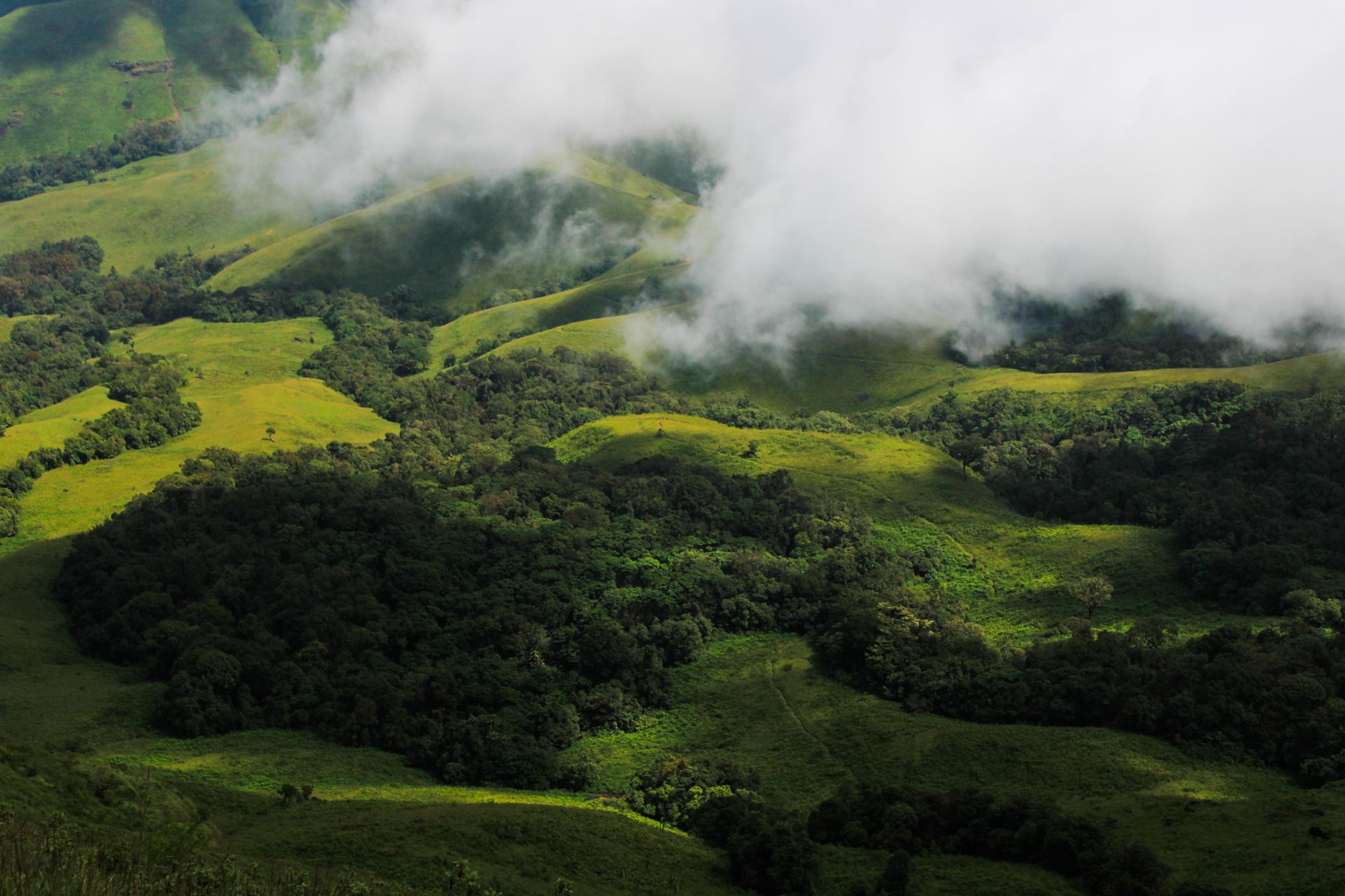
Karnataka's highest peak (1,930 m) is a moderate day trek, not a mountaineer's challenge. Start at 6 a.m. from Baba Budangiri base camp; the 6 km ascent takes 3–4 hours at a steady pace. The path climbs through coffee plantations, then shola forest (high-altitude grassland dotted with gnarled trees). In clear weather, you'll see the Arabian Sea shimmer on the horizon. October–January offers the clearest views; February–May brings heat and haze.
The summit shrine, visited for centuries by Muslim and Hindu pilgrims, sits atop rock formations. Descend by noon to avoid afternoon cloud. Pack 2 litres of water, sunscreen, and a snack. Many trekkers hire local guides from the base camp (₹500–800); worth it for safe footing on loose scree sections.
Hebbe Falls and the Waterfall Loop

Two cascades drop 168 metres into a forested gorge near Kemmangundi. The walk is only 3 km but steep and slippery, especially post-monsoon (July–August). The reward is profound: swimming in a natural pool beneath spray, the sound enormous and close. Monsoon brings the falls into full roar; dry season reduces them to a trickle but keeps paths safer.
Kemmangundi itself—a colonial-era estate 40 km away—sits at 1,600 m and offers views across valleys and a peaceful rose garden. Combine this as a half-day trip with Hebbe. Hotels like The Blossom Resort – Chikmagalur and Coffeeberry Hills Chikamagalur can arrange transport and guides.
Baba Budangiri Shrine and the Dargah
This 17th-century Islamic shrine sits at 1,900 m and honours a Sufi saint believed to have brought coffee seeds from Arabia to the Deccan. The pilgrimage route passes through mist-shrouded peaks and is considered sacred by both Muslim and Hindu communities. Local legend says the saint's footprints are visible on a rock near the shrine.
The trek to the dargah takes 2 hours from the base. Dress respectfully (shoulders and knees covered). Visits are encouraged year-round, and the spiritual atmosphere—especially at dawn when pilgrims arrive—is genuine and moving. Nearby, the Baba Budangiri caves are said to be where the saint meditated.
Chikmagalur Bazaar and Spice Markets
The town's old bazaar, still largely unmapped by tourist guides, is where locals buy dried chillies, cardamom pods, black pepper, and coffee directly from traders. Expect noise, crowding, and haggling—and authentic Karnataka. Friday and Saturday mornings are busiest. Prices are transparent if you know the baseline (ask hotel staff), and the sensory overload is intentional: red chilli dust, pepper's sharp bite, cardamom's sweet resin-scent.
For less intensity, visit the cooperative coffee shops in the main bazaar. These sell estate-direct beans and often roast while you watch. A 500g bag costs ₹250–400 and represents better value than any tourist café.
Staying in the Landscape
Many visitors stay in town and day-trip; others prefer immersion. Higher-rated estate resorts include Trivik Hotels & Resort, Chikmagalur (9.3/10, luxury with estate access) and Vismita County (8.9/10, quieter, better for walkers). Mid-range options like The Blossom Resort – Chikmagalur (8.9/10) offer estate tours and are well-positioned for treks.
If you want to base yourself in town, Hotel Aadrika (8.7/10) is central and reliable for market access. Budget travellers might consider The Silver Sky Hotels and Resorts (9.0/10), which punches above its 3-star rating.
Local Tips
Timing: October–November and February–April are ideal. December–January brings some frost at height and is stunning but requires warm clothing. June–September is wet; paths are slippery, but the landscape glows green.
Food: Try chikhalwali (a local sweet bread), multigrain dosa, and filter coffee made the Karnataka way (strong, frothy, milky). The small dhabas near the bazaar serve better food than resort restaurants—and cost one-third as much.
Transport: Hire a taxi for the day (₹1,000–1,500) rather than relying on buses. Roads are winding and scenic, but taxis save time between attractions.
Crowds: Weekends and school holidays (April, May, December, January) are busy; weekdays are quieter. Visit the bazaar early (7–9 a.m.) to avoid crowds and see traders sorting fresh stock.
Water: Carry a refillable bottle. Estate walk guides often provide water, but don't rely on it. Most hotels have filtered water.
Best Time to Visit
For trekking and clear views: October–January. For landscape drama and photography: June–September (despite rain). For comfortable general travel: February–May (warm but clear). See our full guide to the best time to visit Chikmagalur for seasonal breakdowns.
FAQ
Can I visit coffee estates without a guide? Informally, yes—walk up to a small estate, greet the farmer, and ask politely. Many will welcome you, especially if you arrive early and show genuine interest. Larger estates require advance booking. Your hotel can arrange this; it costs ₹500–1,000 per person for a 2-hour walk.
Is Mullayanagiri difficult? No. It's a steep walk, not a climb. Fit people do it in 3 hours; less fit walkers take 4–5. The path is well-trodden but loose in places. Wear proper shoes, not sandals. A guide is recommended for first-timers (₹700–1,000).
What's the best local souvenir? Fresh coffee beans from a working estate. Buy directly from the farmer if possible—it's cheaper, fresher, and your money goes to the right person. Avoid packaged coffee from tourist shops; it's often stale.
When is the monsoon, and should I avoid it? June–August is heavy rain season. Trekking is harder (slippery, misty, sometimes dangerous). Waterfalls are spectacular. If you're a confident hill walker and don't mind being wet, it's rewarding. Otherwise, wait for October.