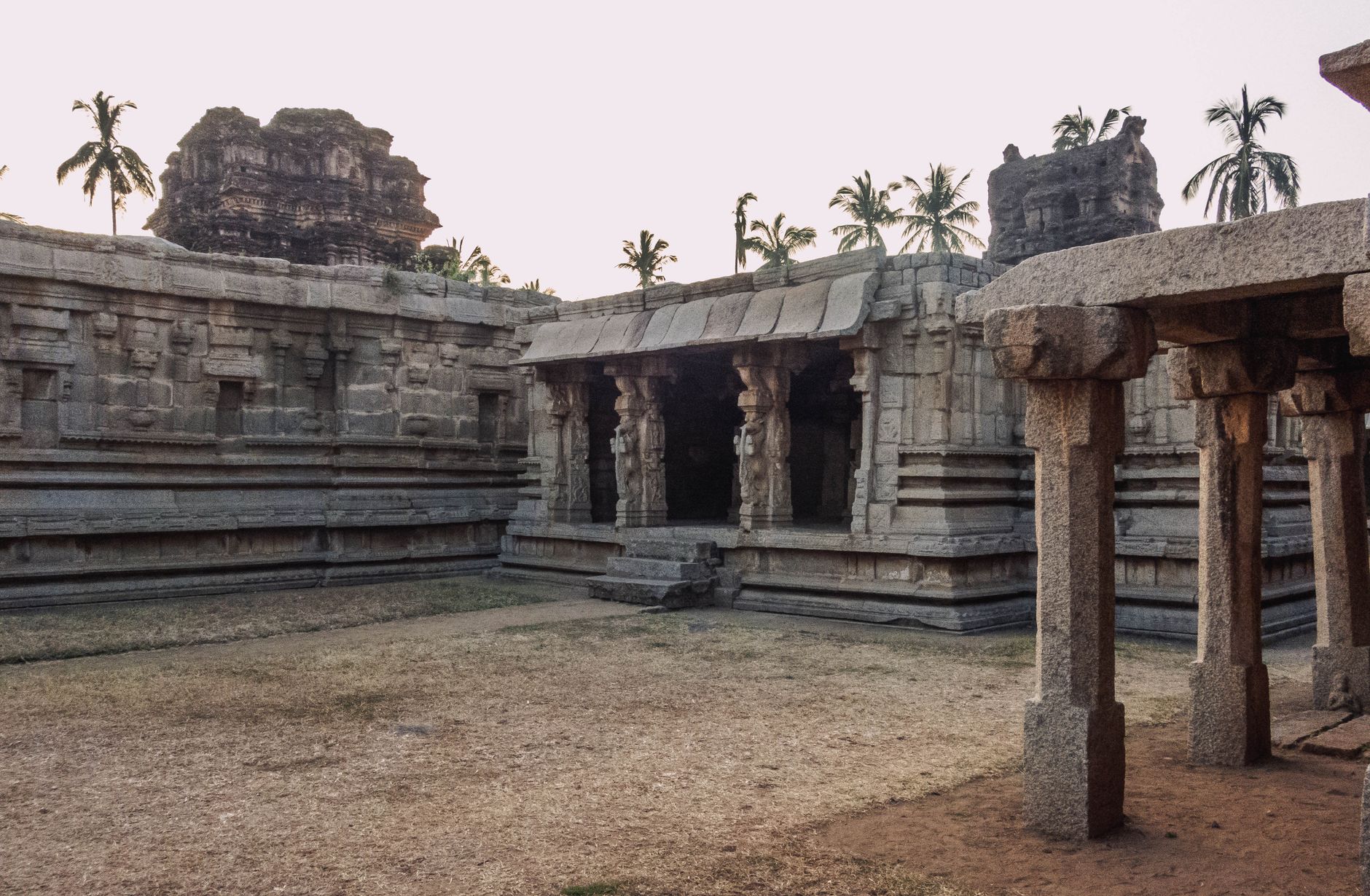
Where Exactly Are Hampi Hotels Located?
Hampi itself has limited accommodation. Most visitors choose between three zones: the bazaar area (clustered near the main temple entrance), Hospet town 13 km away, or smaller village guesthouses scattered across the UNESCO site. The bazaar zone puts you steps from major ruins and temples but means noise, crowds, and higher rates. Hospet offers better value, quieter nights, and reliable facilities—trade-off is a 20–30 minute auto or taxi ride to the core ruins.
Village homestays and budget lodges within Hampi (Kamalapuram, near Krishna Temple) exist but offer basic comfort; power cuts and water shortages are common in May–June. Check water availability and backup power before booking monsoon stays.
What Are the Real Price Ranges?
Budget guesthouses: ₹600–1,200 per night (basic rooms, shared bathrooms, erratic hot water). Mid-range hotels: ₹1,500–2,500 per night (private bathrooms, reliable power, AC or fan options). Upper mid-range: ₹2,500–4,500 per night (better linens, consistent hot water, breakfast often included).
Related: Business Hotels in Whitefield, Bengaluru: Location Guide & Amenities
See also: Sakleshpur in Monsoon: Waterfalls and Green Season Guide
Related: Brindavan Gardens: Musical Fountain Timings and Visit Guide
Prices are 30–40% higher October–February. Rates drop sharply in April–May and September. Book direct with hotels during low season; OTAs (Booking.com, MakeMyTrip) add ₹200–500 markup. Solo travellers and groups of 3+ can negotiate directly with smaller guesthouses for stays over 3 nights.
Bazaar Area: Noise, Views, Convenience
Staying in the bazaar means waking at 5 a.m. to temple bells and chanting. Most hotels sit within 200–400 metres of the Virupaksha Temple. You can reach Hemakuta Hill ruins on foot in 15 minutes. This zone suits heritage photographers and first-time visitors who want maximum time at ruins and don't mind chaos.
Downsides: Water pressure drops in summer. Power cuts happen twice weekly even in mid-range places. Restaurants are touristy and expensive (₹200–400 for a thali vs ₹100–150 in Hospet). Booking accommodation here from June–August is risky; assume 2–3 hour water interruptions daily.
Hospet Town: Better Sleep, Longer Commute
Hospet is a working town, not a heritage site. Hotels here range from budget dorms (₹400–600) to business-class chains (₹2,500–3,500). Water and power are reliable year-round. Restaurants serve authentic local Kannada food at half the bazaar price. A shared auto to Hampi costs ₹40–60 per person; a private taxi runs ₹400–600 return.
Use Hospet if you're staying more than 3 days, visiting in May–September, or want uninterrupted sleep. Morning autos to Hampi start at 6 a.m.; last return trip is around 6:30 p.m. Plan accordingly.
Village Guesthouses: Reality Check
Small homestays near Kamalapuram temple and scattered across the archaeological zone cost ₹800–1,500 and offer authentic village life. Expect bucket baths, squat toilets, and no WiFi (common). These work only if you're a backpacker comfortable with basic conditions, arrive early to scout the room, and don't mind isolation after sunset.
Avoid booking these sight-unseen online. Arrive in Hampi town first, walk around, ask locals, then decide. Booking sites often show outdated photos.
When Should You Book and How?
October–February: Book 30–45 days ahead on OTAs or direct. Rates are fixed and high. Direct booking saves ₹200–400 but offers no cancellation flexibility.
March–April, September: Book 14–21 days ahead. Many mid-range hotels offer 10–15% discounts for advance payment. Email the hotel directly and ask for "advance booking rate."
May–August: Book 5–7 days ahead. Most hotels are half-empty and willing to negotiate ₹300–600 off posted rates. Call and haggle. Confirm water supply before paying.
Never rely on walk-ins in peak season. Even budget dives are fully booked by 4 p.m. During monsoon (July–September), assume 1–2 hotel closures per week for maintenance; have a backup option.
Key Questions Before You Commit
Does the room have hot water year-round? Ask directly. Many hotels in Hampi bazaar rely on solar heating; it fails on cloudy days. Hospet hotels have geysers.
What's the water pressure like in summer? Ask other guests in the lobby or on recent Google reviews. "Low pressure" means cold showers and slow toilet flushing in May–June.
Is there a restaurant on-site? Bazaar hotels often don't have functioning kitchens. You'll eat out three times daily at premium rates. Hospet hotels usually have attached restaurants.
Can I check out later than 11 a.m.? Ask at booking. Some allow noon checkout for ₹100–200 extra, useful for early-morning ruin photography then a midday exit.
Which Area Suits Your Trip?
Choose bazaar if visiting October–February, staying 1–2 nights, or you're a heritage enthusiast willing to tolerate noise.
Choose Hospet if visiting May–September, staying 3+ nights, want reliable comfort, or travelling with elderly people or children.
Choose village homestays only if you're solo, backpacking, and comfortable with basic facilities. Not suitable for first-time visitors or monsoon season.
Seasonal Practicality
October–February: Temperatures 20–30°C, no rain. This is the only truly comfortable season; book early and accept higher prices.
March–April: 28–38°C, water stress. Hotels may ration water; confirm supply before booking.
May–September: 25–35°C with humidity, frequent power cuts, water scarcity. Only stay if you can adapt. Bazaar hotels become uncomfortable; Hospet is survivable.
Final Booking Strategy
- Decide your location based on season and stay length.
- Check recent Google reviews (filter by date; ignore posts over 6 months old).
- Email the hotel directly and ask for current availability and "best available rate."
- If OTA price is lower, use it (cover cancellation and refund disputes).
- Confirm water and power availability 2 days before arrival via phone call.
- Keep a backup hotel name in a different area in case your first choice has issues.
Most Hampi visitors regret not booking their accommodation near the ruins early enough, then accept a Hospet hotel hastily and waste time commuting. Plan ahead and choose deliberately.
FAQ
Do I need advance bookings in monsoon (July–August)? No. Most hotels are 50–70% vacant. Book 3–5 days ahead and negotiate. Risk: 1–2 hotels close for repairs each week, and water supply is unreliable. Always have a Plan B.
Can I stay in Hampi without pre-booking? Yes, in May–August and September. Risky in October–February; hotels fill by 2–3 p.m. Walk-in rates in low season are ₹400–800 cheaper than online, but you'll waste time scouting. Not recommended for first-timers.
What's the cheapest area to sleep in Hampi? Village homestays (₹600–1,000) are cheapest, but basic. Budget guesthouses in the bazaar (₹800–1,200) offer better facilities for slightly more. Hospet's budget dorms (₹400–600) are lowest-cost with reliable utilities; factor in ₹100 daily taxi costs.
Is it safe to walk around Hampi town at night? Bazaar area: Yes, lit and busy until 9–10 p.m. After midnight, few people are around. Village areas: No. Auto back to your hotel after dark. Hospet town: Standard precautions; avoid empty streets after 10 p.m.
Related Reading
Plan your full Hampi trip: Hampi travel guide
Check the best season to visit: Best time to visit Hampi
Navigate the ruins efficiently: Hampi temples and ruins