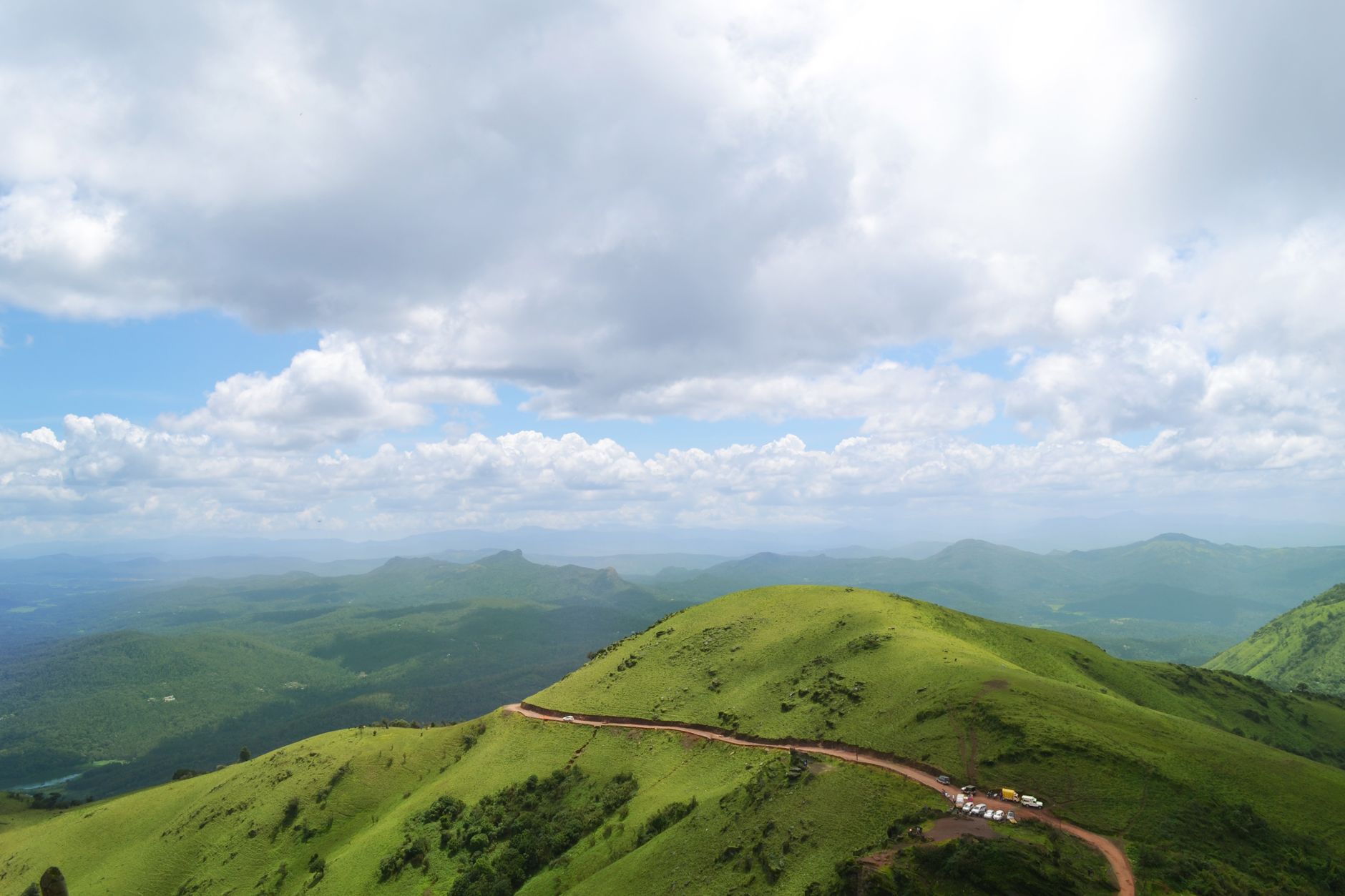
Monsoon in Coorg delivers dramatic landscape transformations—coffee plantations turn impossibly green, mist clings to hillsides, and the air smells of wet earth and flowering plants. Whether it's worth visiting depends entirely on your tolerance for rain and what kind of experience you're seeking.
The straightforward answer: yes, if you love atmospheric landscapes, fewer crowds, and don't mind genuine downpours. No, if you need reliable sunny days for trekking or exploring. Most visitors fall somewhere in between—finding the monsoon worthwhile but requiring the right mindset and preparation.
What makes monsoon Coorg genuinely compelling?
June through September transforms the landscape in ways dry season simply cannot match. The Western Ghats receive concentrated rainfall, and Coorg sits perfectly positioned to absorb it all. Coffee plantations—already beautiful—become almost impossibly verdant. The undergrowth explodes with flowering plants you won't see at other times. Mist descends regularly, creating an atmosphere that feels intimate and moody rather than tropical.
Related: Bangalore to Mysore by Train: Vande Bharat vs Shatabdi Express – Which is Better?
See also: Mysore Palace Illumination: When to See It and Photo Tips
See also: Dandeli with Family: Stays and Things to Do
The coffee bloom happens primarily in June and July. Tiny jasmine-like flowers carpet the plantation understory, creating an ethereal fragrance that drifts through the region. This alone draws dedicated photographers and nature enthusiasts who specifically time visits around it.
Another genuine advantage: you'll encounter far fewer tourists. Roads feel quieter. Popular viewpoints like Abbey Falls and Iruppu Falls run with impressive volume, adding visual drama that dry-season trickles can't match. Local life continues undisturbed by tourist clusters.
Accommodation rates drop noticeably during monsoon season. Resorts like Amanvana Spa Resort - Coorg and Indo Asia Heritage Coorg, Formerly Heritage Resort Coorg offer substantially lower rates than peak season, whilst maintaining full amenities.
What are the genuine drawbacks?
Rain in Coorg isn't romantic drizzle; it's serious downpour. July and August particularly see heavy precipitation across multiple days. If your vision of Coorg involves open-air exploration, trekking ridge lines, or visiting numerous viewpoints in a single day, monsoon will frustrate you considerably.
Road conditions deteriorate. While main routes to Madikeri remain passable, narrower estate roads and trails become slippery. Landslips, though not everyday occurrences, do happen. Some homestays and smaller resorts occasionally lose power during heavy rain. Internet connectivity weakens.
Visibility suffers. Those dramatic valley views you've seen in photographs simply won't appear during monsoon. Mist and cloud cover mean many viewpoints offer a few metres' visibility rather than sweeping vistas. Some visitors find this atmospheric; others find it disappointing.
Certain activities become logistically difficult. Jeep safaris to see wildlife require clearer conditions. Longer treks are risky. Visiting smaller plantation homestays requires vehicles capable of handling muddy tracks.
How does monsoon Coorg compare to other seasons?
Peak dry season (November to February): Absolutely reliable weather, maximum visibility, busiest crowds, highest prices. Perfect for trekking and photographing landscapes. Better for first-time visitors with limited flexibility.
Summer (March to May): Hot and sometimes uncomfortable, but excellent visibility and manageable crowds. Good middle ground if you dislike both rain and crowds.
Monsoon (June to September): Dramatic atmosphere, lowest prices, fewest tourists, excellent for coffee bloom viewing (June-July specifically), challenging weather, reduced trekking viability.
Choose monsoon if you prioritise atmosphere and solitude over activity variety. Choose dry season if you want maximum outdoor options and reliability.
What should you actually plan to do in monsoon?
Successful monsoon visits require adjusted expectations. Rather than hiking multiple trails daily, plan indoor-friendly activities. Visit the Madikeri Fort and museum, explore the Omkareshwara Temple's architecture, spend time in coffee estate homestays learning about cultivation and processing. These activities work beautifully with intermittent rain.
Spend genuine time on resorts with good facilities. Amanvana Spa Resort - Coorg and Montrose Golf Resort And Spa both offer spa experiences that feel especially indulgent during rainy afternoons. Some travellers actually prefer monsoon for exactly this reason—forcing them to slow down rather than rushing between viewpoints.
Time any outdoor activity for morning hours, which often feature fewer heavy downpours than afternoons. Abbey Falls and Iruppu Falls are worth visiting early in your trip; if you're unlucky with weather later, you'll have already seen them.
Photography becomes artful rather than panoramic. Monsoon mist creates intimate shots impossible during clear weather. If you're photographing coffee flowers, monsoon is actually peak season.
Visit local markets. Madikeri's marketplace operates normally, and the covered spaces feel less touristy and more authentically lived-in. Buying fresh produce and regional specialities like jaggery becomes part of the experience.
Which accommodation works best for monsoon?
Amanvana Spa Resort - Coorg rates 9.1/10 and offers excellent spa facilities—genuinely valuable during rain-filled days. Its wellness focus suits the slower pace monsoon encourages.
Montrose Golf Resort And Spa and Purple Palms Resort and Spa both maintain luxury amenities (8.7/10 ratings) and comfortable spaces for spending indoors whilst the rain passes.
For budget-conscious travellers, Avadale Coorg - Stag Groups Not Allowed rates 9.3/10 despite being 2-star, suggesting excellent value and genuine hospitality during monsoon conditions. Club Mahindra Madikeri Resort and SPA, Coorg offers good mid-range comfort at 7.9/10.
Choose accommodation with strong indoor amenities—restaurants, libraries, drawing rooms—rather than places built purely for outdoor access. Resorts with wellness facilities perform especially well during monsoon seasons.
The honest verdict
Coorg in monsoon is genuinely worth visiting if you're flexible about activities, excited by atmospheric landscapes, and genuinely interested in monsoon ecology and coffee cultivation. The landscape transformation is real and remarkable. The coffee bloom alone justifies a visit for many travellers.
It's not worth visiting if you've taken specific dates off work, have limited flexibility, or are set on seeing sweeping valley views and completing multiple treks. You'll likely feel frustrated rather than enriched.
Most practical approach: if you're visiting Coorg for the first time, go during dry season to see the place properly. If you've already experienced Coorg clearly and want a different perspective, monsoon delivers exactly that—a completely transformed landscape that most tourists never witness.
Read more about the best time to visit Coorg for broader seasonal context.
FAQ
Is it actually raining every day in monsoon? No, though expect rain several days weekly, often in concentrated bursts. Early mornings are frequently clearer than afternoons. Planning indoor activities for afternoons helps manage expectations.
Can I trek safely during monsoon? Short, well-maintained trails near settlements are manageable with proper footwear. Remote or longer treks become genuinely risky due to slippery conditions and reduced visibility. Book guides familiar with monsoon conditions if attempting anything ambitious.
Are roads accessible to regular cars? Main routes to Madikeri and between major towns remain open to regular cars. Estate roads and smaller routes often require SUVs or careful driving. Check conditions before planning travel to remote areas.
Will monsoon Coorg be empty of tourists? Not completely empty, but significantly quieter than peak season. You'll encounter other travellers, but rarely experience crowding. Most tourist facilities operate normally.