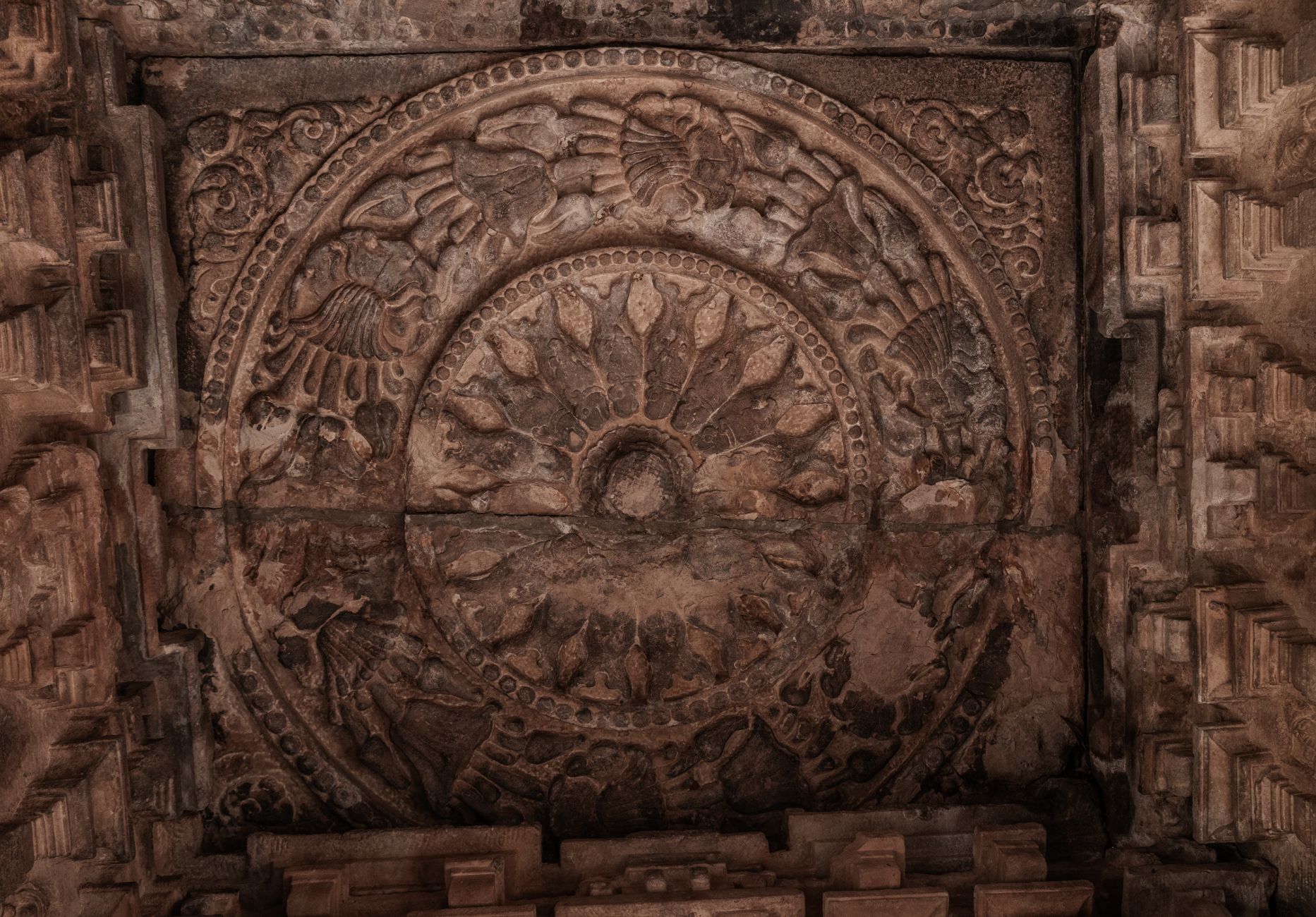
Best Rajarajeshwari Arch Location in Karnataka
The Rajarajeshwari Arch is a beautifully preserved 19th-century gateway nestled in the Western Ghats, representing a lesser-known but architecturally significant piece of Karnataka's heritage. Located near Sakleshpur in Hassan district, this stone arch is best experienced during the dry season (October to February) when forest paths remain navigable and visibility is optimal for photography.
Where is the Rajarajeshwari Arch actually located?
The arch sits approximately 8–10 kilometres from Sakleshpur town, within reach of the forested slopes that characterise this region. The site is accessible via a moderate trek through coffee and spice plantations, with the final approach offering glimpses of the Western Ghats' layered topography. GPS coordinates place it around 13.01° N, 75.76° E, though local guidance is invaluable as signage remains minimal.
The location itself sits at roughly 650–700 metres elevation, positioned where old colonial-era pathways connected the hill station economy. The surrounding landscape transitions between cultivated estates and natural forest canopy, creating an atmosphere that feels genuinely remote despite reasonable road access to nearby towns.
Related: Coorg Resorts: Where to Stay in Karnataka's Coffee Country
Related: Coorg in Monsoon: Is It Worth Visiting?
Related: 12 Degrees West Bangalore: What It Is and Why It Matters
Best time to visit: Season comparison
October to February (Dry Season): Clear skies, firm ground, and comfortable trekking conditions dominate. Temperatures range between 15–25°C at dawn and peak hours respectively. Photography is at its best with sharp visibility and soft morning light filtering through the canopy. The arch's stone carvings are visible without moisture obscuring details. This is unquestionably the optimal window.
March to May (Hot Season): Daytime temperatures climb above 30°C, making midday treks uncomfortable. However, early mornings reward you with solitude and dramatic mist-laden views before heat builds. Afternoon visibility can become hazy. Water sources matter more during this period.
June to September (Monsoon): Heavy rainfall makes forest paths slippery and potentially hazardous. The arch itself becomes difficult to photograph due to cloud cover and moisture. However, the landscape transforms into vivid green, and the monsoon forest sounds—dripping canopy, bird calls, stream flow—create an immersive sensory experience if you're equipped for wet conditions. Access may be restricted or treacherous; check locally before planning.
How to approach the arch: Route and difficulty
From Sakleshpur, head towards the coffee plantation villages. The trailhead is accessible by motorcycle or car on rough but navigable estate roads. The walk itself is 45 minutes to 1.5 hours depending on fitness and trail conditions.
The path ascends gradually through shaded plantations where cardamom, pepper, and coffee grow beneath taller shade trees. The undergrowth feels particularly lush during and immediately after monsoon, when ferns and mosses line the path. You'll cross minor streams—dry in peak summer, flowing and cool during cooler months—before reaching a clearing where the arch emerges.
Physically, this is an easy-to-moderate trek. Proper footwear (boots or sturdy trainers with grip) is essential year-round. During monsoon, slippery conditions elevate difficulty significantly.
Photography and viewing positions
The arch presents several compelling angles. Shooting from directly beneath it creates a framed perspective of the canopy above, particularly striking in golden hour light (early morning or late afternoon). From the surrounding forest, the structure's isolation becomes apparent—an unexpected geometric form within organic woodland.
The stone carvings along the inner surfaces are worth close examination. Details weathered by a century remain visible, telling of craftsmanship from Karnataka's colonial heritage period. Bring a macro lens or phone macro app to capture these textures.
For composition, the interplay between the arch's symmetry and the chaotic natural surroundings creates visual tension that rewards photography. Overcast skies flatten the scene slightly, but eliminate harsh shadows that can obscure carved details during bright conditions.
What to expect practically
Bring at least 1.5–2 litres of water per person, especially during dry season when streams are unreliable. The forest canopy provides shade, but sun exposure increases on open sections of plantation. A hat, sunscreen, and insect repellent are sensible additions.
Mobility service is non-existent at the site—there are no refreshment stops, toilet facilities, or shelters. This remoteness is precisely what preserves the arch's authenticity, but plan accordingly. Carry snacks and any medications you might need.
Local guides from Sakleshpur enhance the experience considerably, providing context about the arch's historical purpose and the forest's ecology. They also navigate the multiple trail junctions that confuse first-time visitors.
Visit early morning (6–8 AM) to avoid afternoon crowds (modest though they are) and to experience the forest at its most active—bird calls, dappled light, cooler temperatures.
Comparing nearby alternatives
If you're in Hassan district exploring Western Ghats heritage, consider combining the Rajarajeshwari Arch with visits to Sakleshpur's coffee plantations and the Manjarabad Fort, another colonial-era structure roughly 30 kilometres away. For longer-horizon planning, the biodiversity and trekking infrastructure around Chikmagalur and Ella (Tamil Nadu border) offer complementary experiences—more developed but equally rewarding.
Frequently Asked Questions
Is a guide essential? Not strictly essential if you navigate carefully and check local directions, but strongly recommended. Local guides know shortcuts, handle timing uncertainties, and provide historical context that enriches the visit immensely.
Can I visit with children? Yes, for children aged 8+. The trek is short and relatively easy, though uneven terrain requires supervision. Younger children may find the distance and pace taxing.
What facilities exist nearby? Sakleshpur town, 8–10 kilometres away, has basic accommodation, restaurants, and shops. The arch site itself has no facilities whatsoever; plan self-sufficiency.
Is the arch structurally stable to photograph beneath? Yes, the stone structure is robust and has stood for over 150 years. Standard safety precautions apply during heavy monsoon or after severe weather, when loose stones might pose risks.