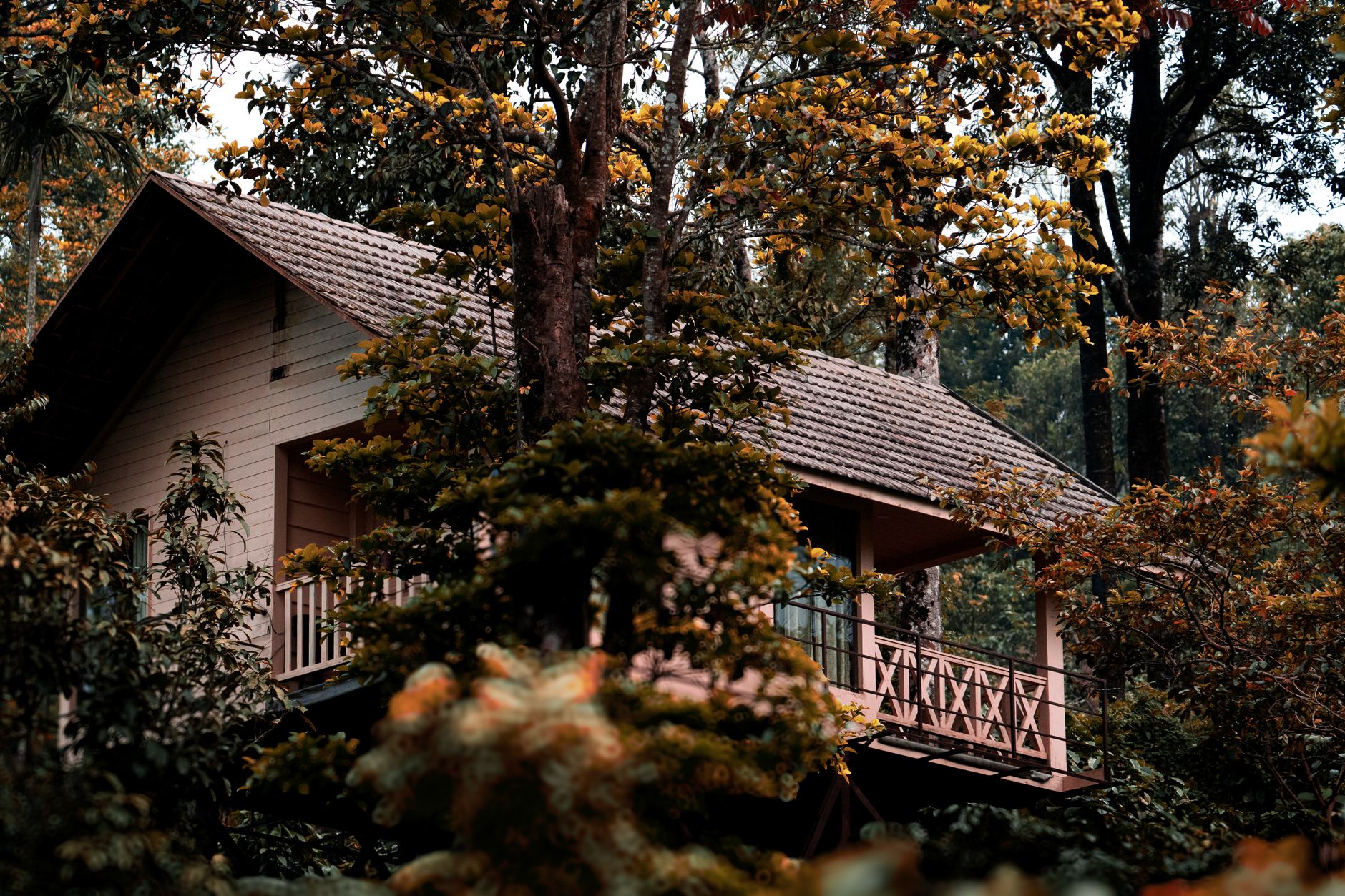
Coorg Resorts: Where to Stay in Karnataka's Coffee Country
Coorg's resort landscape ranges from colonial-era coffee estates converted into luxury retreats to contemporary wellness properties nestled among plantations. The choice depends less on price than on whether you want immersion in coffee culture, adventure focus, or peaceful isolation among the hills.
What defines a Coorg resort experience?
Unlike beach or city resorts elsewhere in Karnataka, Coorg resorts function as gateways into working landscape rather than retreats from it. Many occupy actual coffee estates where you can walk among plants, learn processing methods, and stay with proprietors whose families have farmed these slopes for generations. This proximity to agricultural reality shapes the atmosphere—early mornings smell of wet earth and coffee drying, meals feature locally roasted beans and produce from kitchen gardens, and the rhythm follows plantation seasons rather than tourist calendars.
The region's monsoon character influences design and comfort expectations too. Properties here tend toward fireplaces, covered sitting areas, and enclosed walkways rather than open-air lounges, since mist and rain define much of the year. This creates a different aesthetic than resorts built for guaranteed sunshine.
Related: Dubare Elephant Camp Timings & Visit Guide
See also: Mysore in 3 Days: The Complete Itinerary
See also: Golden Temple Kushalnagar: Opening Times & Visiting Guide
Estate resorts versus standalone properties
Coorg's most distinctive accommodations are working or former coffee estates that have added guest facilities. These typically occupy 20-100 acres, with rooms scattered across grounds where coffee, spice, or fruit cultivation continues. You encounter actual farming activity—workers processing beans, pruning shade trees—and often meet the owners, whose knowledge and personality shape your stay considerably. Meals reflect what grows there: coffee from the property's own roasting facility, bananas, cardamom, pepper.
Standalone resorts built specifically for tourism occupy similar settings but lack the agricultural integration. They offer more predictable comfort standards, clearer separation between leisure and working spaces, and fewer moments of genuine interaction with farming families. Neither approach is superior; the difference matters mainly if you specifically want educational immersion or prefer curated leisure without work activity around you.
Choosing by location within Coorg
Resorts cluster in three zones, each offering distinct character:
Madikeri town and immediate surroundings contain smaller, often heritage properties within or near the central hill station. You're close to markets, the Raja's Seat viewpoint, and Madikeri Fort, with easier access to supplies and services. Atmosphere leans toward traditional hill-station feel with colonial echoes. Walking town streets in evening is practical here. Rain creates atmospheric mist but also means more cloud cover and moisture.
Plantation belt between Madikeri and Virajpet spreads across rolling estates where the landscape opens into working farms rather than town bustle. These resorts sit genuinely among coffee, spice, and fruit crops with longer approaches from main roads. You're 30-45 minutes from town centre but immersed in authentic plantation country. Early mornings feel isolated and profound; evenings offer real quiet. This zone suits travellers wanting genuine retreat rather than hill-station town experience.
Coorg's western edge toward Kushalnagar and Iruppu Falls offers cooler, often misty terrain with proximity to trekking routes and water features. Some properties here focus on adventure or wellness rather than heritage agriculture. Access involves longer drives but rewards with different landscape character—denser forest, steeper terrain, fewer other visitors.
What to expect across price ranges
Budget properties (₹2,500–5,000 per room nightly) typically occupy smaller plantation parcels or standalone buildings without major heritage value. Rooms are clean and comfortable with basic amenities—no extensive facilities, simple décor, limited on-property activities. Food is often locally prepared and generous, sometimes exceptional. These suit travellers comfortable with modest comfort and seeking landscape immersion over facilities.
Mid-range resorts (₹5,000–12,000) offer better-appointed rooms, often with gardens or valley views, small libraries or sitting areas, and curated activity options like coffee farm walks or cooking classes. Many occupy legitimate estate properties with some history. Owners often manage properties personally, lending personality to the experience. Food quality typically exceeds price point.
Luxury properties (₹12,000 and above) feature high-end furnishings, spa facilities, fine dining restaurants, and often heritage status as former colonial estates. Rooms may include private gardens or infinity pools; common areas reflect architectural distinction. These rarely feel impersonal despite premium pricing, as Coorg's small scale means even upscale places maintain hands-on management. The highest-end properties offer transparency into estate operations and cooking demonstrations, so you're still gaining connection to place rather than isolated luxury.
Practical considerations for booking
Seasonal character dramatically affects experience. Monsoon season (June–September) brings lush landscape, coffee flowering, and dramatic mist, but roads become challenging, power cuts occur, and plans require flexibility. Resorts manage these realities well since they've operated here for decades, but comfort-focused travellers may find uncertainty frustrating. Post-monsoon (October–November) offers the year's best clarity, richest colours, and reliable weather, making it peak season with higher prices and more crowded properties.
During dry months (December–May), the landscape looks parched and dust accumulates on leaves, but skies are reliably clear and days warm—good for trekking and sightseeing. Many mid-range resorts offer better rates during this period despite decent conditions.
Week-long stays significantly improve value at estate resorts, as many offer discounted nightly rates and you'll experience property rhythm rather than just passing through. A week allows time to understand coffee farming across its seasonal cycles, know staff and owners, and genuinely disconnect from external pressure.
Confirm what's included before booking: some properties bundle farm walks, coffee tastings, and cooking classes in rates, whilst others charge separately. Ask directly whether rooms have consistent hot water (highland properties with smaller systems can struggle during peak occupancy), whether WiFi reaches your specific room (important if you need reliable connectivity), and how properties handle electricity during outages (generators, battery backups, candles).
Does Coorg have resort facilities you'd recognise elsewhere?
Most properties here lack large swimming pools—the highland climate and monsoon orientation don't encourage pool culture. Instead, you'll find rain-fed tanks, occasionally heated small pools, or arrangements at neighbouring properties. Spas exist at higher-end resorts but often emphasise Ayurvedic treatments rather than standard massage menus.
Restaurants at estate resorts typically serve one seating at fixed times (breakfast 7–9am, lunch 1–2pm, dinner 7–8pm) rather than à la carte all-day menus, since kitchens source from what grows on-site and cook for known guest numbers. This rhythm feels initially constraining but creates convivial communal atmosphere and actually quite good meals adapted to available ingredients.
WiFi and mobile signal vary considerably—some properties have excellent connectivity, others remain spotty despite efforts. If you absolutely need constant connection, confirm signal strength and backup systems before booking.
A genuine Coorg resort represents place over infrastructure
The appeal of staying in Coorg resorts lies not in matching amenities available in urban five-star hotels, but in gaining access to landscape and the people inhabiting it. The best choices align your actual needs—whether that's solitude, family adventure, culinary exploration, or wellness focus—with a property's genuine character rather than its rating or price category. A modest estate with knowledgeable owners beats an impersonal luxury resort in creating memorable experience here.
For detailed guidance on timing your visit, explore our Coorg travel guide and best time to visit Coorg pages for seasonal context that shapes your resort choice.
FAQ
Do Coorg resorts offer all-inclusive rates? Rarely. Most charge separately for rooms, meals, and activities. Some estate properties bundle farm walks and tastings with room rates; others charge ₹300–800 per person for these experiences. Clarify what's included during booking.
Can you actually work or study from a Coorg resort? Some can, others can't. Properties in Madikeri town have decent connectivity; rural estate resorts often don't. If remote work matters, ask specifically about WiFi speed and mobile signal strength, not just whether they're "available."
What's the difference between staying at a coffee estate and a regular resort? Estate properties let you observe actual farming activity, eat crops grown there, and often meet owners with deep local knowledge. Regular resorts offer more predictable comfort and service separation. Both have merit depending on whether you prioritise immersion or relaxation.
Is it worth staying a week instead of 3–4 days? Yes, if rates drop significantly. Longer stays reveal landscape rhythm, you'll know staff, and experience seasonal patterns. Three days works if you're time-constrained, but you'll mostly consume the resort experience rather than inhabit it.