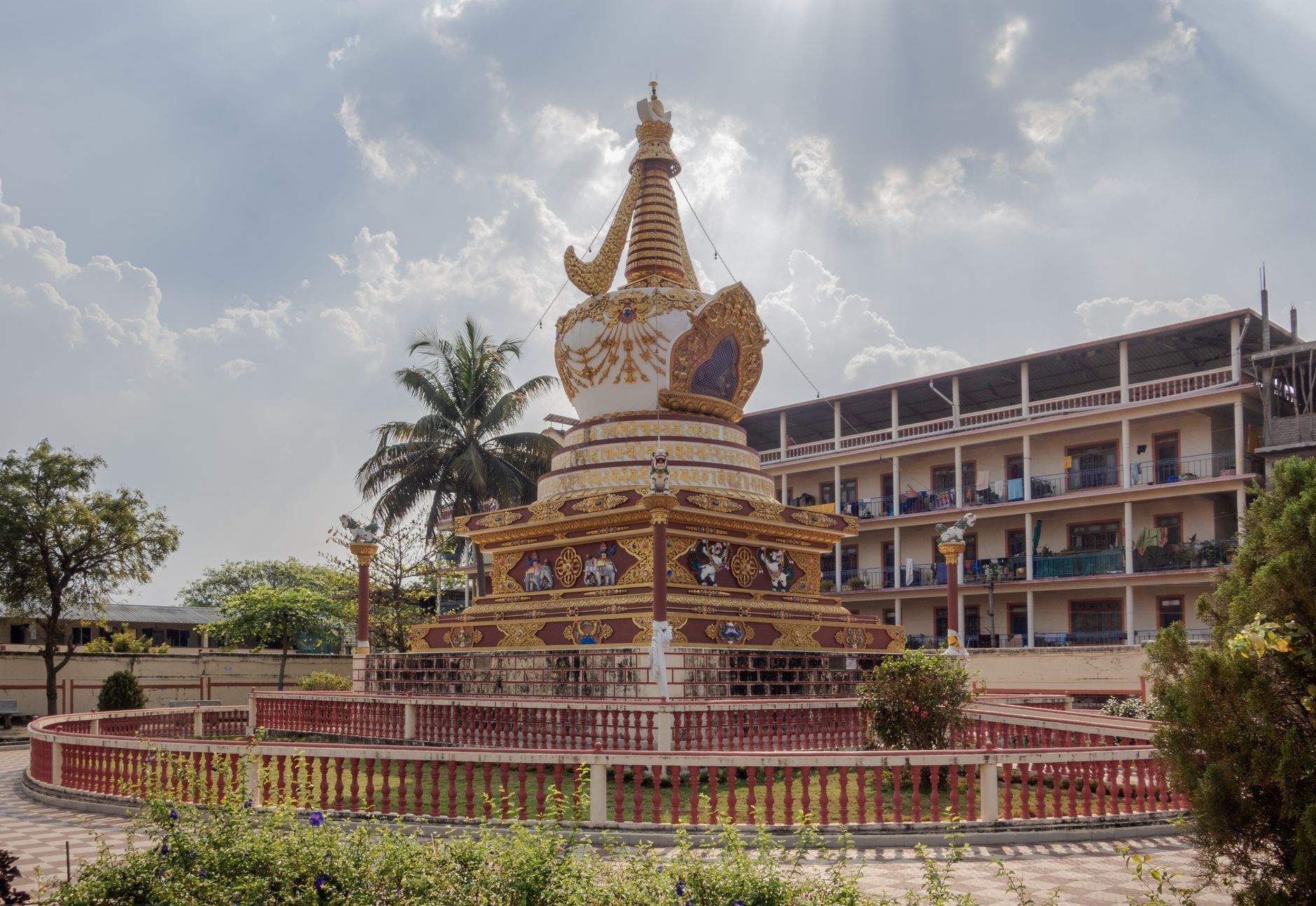
Sirsi is a town in Uttara Kannada district where the landscape speaks louder than tourist infrastructure. You'll find yourself walking through cardamom and coffee estates, visiting centuries-old temples tucked into forest edges, and discovering waterfalls that demand proper hiking boots rather than casual sandals. The town itself is small—manageable on foot—but the attractions spread across surrounding villages require a local guide or your own transport to explore meaningfully.
What makes Sirsi worth visiting?
Unlike better-promoted hill stations in Karnataka, Sirsi hasn't been reshaped entirely for tourism. The Malnad region's natural vegetation remains largely intact, spice cultivation is still a working livelihood rather than a heritage performance, and you'll encounter far more farmers and plantation workers than tour groups. The Western Ghats here sit at altitudes between 600 and 1,200 metres, creating a climate that supports coffee, cardamom, pepper, and cocoa alongside dense deciduous forests. If you're seeking atmospheric stays with genuine quiet—rather than commercialised "village experiences"—visit Sirsi during the monsoon season or October when the landscape is most dramatic and temperatures are coolest.
Which waterfalls and nature walks should you prioritise?
Jog Falls lies about 35 kilometres from Sirsi town, accessible via Talikota; the approach winds through forested terrain and the falls themselves drop 253 metres in monsoon, though water volume decreases significantly by March. The walk down to the base takes roughly an hour and involves scrambling over rocks—manageable but not straightforward. Closer to town, Unchalli Falls (also called Londa Falls) sits 25 kilometres away and offers a shorter, less strenuous approach through coffee plantations; the setting is more intimate than Jog, framed by dense greenery. Barachukki Falls, about 40 kilometres away, flows year-round and attracts fewer visitors than Jog—worth considering if you visit during drier months.
Related: Where to Eat in Chikmagalur: Local Food Guide
See also: Coorg with Kids: Family-Friendly Stays and Activities
See also: Jamesville Bangalore: A Hidden Garden Escape Near the City
For walks without waterfall destinations, the Sirsi-to-Shambhavanath track through forest reserve offers genuine forest immersion; local guides at town homestays can arrange this. Expect mist in monsoon, leech presence during heavy rains, and genuine birdsong rather than curated nature experiences.
What temples and cultural sites have actual historical weight?
Ranganathittu, about 8 kilometres from Sirsi, hosts a Ranganatha temple believed to date to the 12th century, though reconstruction has altered its original appearance. Devotees visit for the peaceful setting more than architectural significance. Shambhavanath, roughly 30 kilometres south through forests, represents a pilgrimage point rather than a major monument; the approach through sacred groves and the simple shrine itself appeal more to spiritually inclined visitors than those seeking architectural heritage. Sirsi's own Mahalingeshwara Temple sits in town—straightforward to visit and locally significant, though without the grandeur of Hoysala-era temples elsewhere in Karnataka.
The spice gardens around Sirsi (cardamom, pepper, cocoa) offer more tangible cultural engagement than temples; ask your hotel to arrange a morning walk through working plantations where you'll see how spices are grown and dried. Conversations with plantation owners reveal economic realities of farming in the Ghats that guidebooks omit.
How should you approach food and local eating?
Sirsi's food reflects Malnad cuisine—coconut-heavy, rice-based, with abundant use of local fish and bamboo shoots. Jowar roti and rice kanji form breakfast staples; lunch centres on rice with curries built from pepper, cardamom, and locally-grown vegetables. Akki roti (rice flatbread) with fish curry or mutton curry represents typical midday eating. Coffee here comes from estates within sight of your accommodation—genuinely excellent if you're used to instant coffee elsewhere.
Small eateries near Sirsi bus stand serve proper Malnad food rather than diluted versions; eat where you see locals eating rather than establishments clearly designed for tourists. Hotel Supriya International Sirsi and Captain's Camp serve reasonable food for their price point, though neither offers exceptional cuisine. For serious cooking, homestays like Pragathi homestay occasionally arrange meals if you book ahead—worth exploring if you're interested in learning to cook regional dishes.
Market visits to Sirsi's central bazaar reveal seasonal produce and spices sold loose by weight; buying cardamom directly from sellers beats purchasing pre-packaged versions and contributes directly to local economy.
Which accommodation type fits different travel styles?
If you want convenience and reasonable amenities, Captain's Camp offers the strongest guest feedback (9.1/10) at the 3-star level, with forest proximity and basic but clean facilities. ASHWINI HOTEL & LODGEING presents a 5-star option (8.0/10 rating) for those prioritising comfort; Evergreen Resort similarly caters to comfort-seekers, though guest numbers are fewer. For atmosphere and local connection, homestays like Whispering Pines Haven (9.1/10 from limited reviews) or Pragathi homestay provide owner interaction and home-cooked meals; these work best if you're staying 2+ nights and comfortable with simpler amenities.
Hotel Supriya International Sirsi balances budget friendliness (3-star rating of 8.5/10) with reliability, making it sensible for shorter stays where you're primarily sleeping and eating before exploring. Avoid establishments with very limited reviews unless you're comfortable with uncertainty.
What practical tips matter for visiting?
Sirsi town has reasonably good connectivity via the Shimoga-Sirsi road and buses from Hubli, but beyond town, transport is sparse. Hiring a local taxi or autorickshaw for the day costs approximately ₹800–1,200 depending on distance; negotiate beforehand rather than assuming meter rates. English is spoken by younger people and hotel staff, but not widely among local guides or shop owners—learning 20 Kannada phrases significantly improves interactions.
Leeches appear during monsoon (June to August) and the post-monsoon weeks of September; wear covered shoes, apply salt or oil to exposed legs, and ask accommodation staff for leech repellent. Malaria transmission occurs in this region—consult your doctor about prophylaxis if visiting during monsoon months. Mobile networks work in town but drop completely in forest areas; inform someone of your daily plans before heading out.
Cash remains essential; ATMs exist in Sirsi but not all shops accept cards. Purchase water bottles in town if hiking, as forest paths lack shops. Guides cost ₹400–600 for a day; arrange through your accommodation the previous evening rather than expecting to find guides spontaneously.
The landscape justifies slower travel—3 to 4 days allows genuine engagement with forests, plantations, and local rhythms without rushing between sites. Weekend visits from Bangalore or Goa attract crowds disproportionate to infrastructure, so weekday travel offers significantly better experiences.
FAQ
Is Sirsi accessible without your own transport? Buses connect Sirsi to Hubli, Shimoga, and nearby towns, but exploring beyond the town centre requires hiring a taxi (negotiate daily rates) or joining a local guide's group tour. Most attractions sit 25–40 kilometres away, unreachable by regular public buses.
What's the best time to visit Sirsi? October through February offers clear skies and moderate temperatures (15–28°C); monsoon (June–August) brings dramatic landscape and cooler weather but requires leech preparedness. March–May becomes uncomfortably hot and dusty, though fewer tourists visit.
Can you visit waterfalls year-round? Jog Falls flows impressively June–November but becomes a trickle by April. Barachukki and Unchalli Falls maintain better water year-round. Check local conditions before hiking in late summer months, as rock paths become exposed and hazardous.
How long should you spend in Sirsi? Three days allows a waterfall hike, a plantation walk, and a temple visit without exhaustion. Longer stays suit those interested in deeper plantation engagement or forest trekking with guides.