Things to Do in Shivamogga: Attractions and Local Tips
Shivamogga is Karnataka's adventure heartland, where Western Ghats forests meet spiritual temples and thundering waterfalls. From elephant encounters to trekking misty estates, here's what genuinely deserves your time—and what the locals actually visit.
Must-visit natural attractions

Shivamogga's greatest asset is water. Jog Falls, 60 km west, is Karnataka's second-highest waterfall at 253 metres—truly humbling in monsoon (June–September) when the Sharavathi River transforms it into a roaring cascade. Visit early morning to see mist rising from the gorge and sunlight catching the spray. By December–April, the falls reduce to a trickle, but the landscape opens up; you'll spot eagles and have clearer trekking. The four-tiered descent—Raja, Rocker, Rani, and Rocket Falls—requires a steep 1,200-step descent into the gorge. Wear sturdy shoes.
Linganamakki Dam and reservoir offers a quieter escape 45 km south. The dam itself is functional rather than scenic, but the lake backdrop and surrounding coffee estates create a peaceful half-day outing. This is where locals bring families on weekends; you'll find small cafés selling local snacks near the dam entrance.
Related: Best Restaurants in Mysore: From Mylari Dosa to Fine Dining
See also: Mysore Palace Illumination: When to See It and Photo Tips
See also: Mukka Beach, Karnataka: Coastal Guide & Best Time to Visit
Sharavathi Gorge (20 km away) is underrated. Walk along the river, spot kingfishers and sometimes wild boar, and swim in natural pools during summer. The trail is unmarked; hire a local guide through your hotel.
Temples and spiritual sites

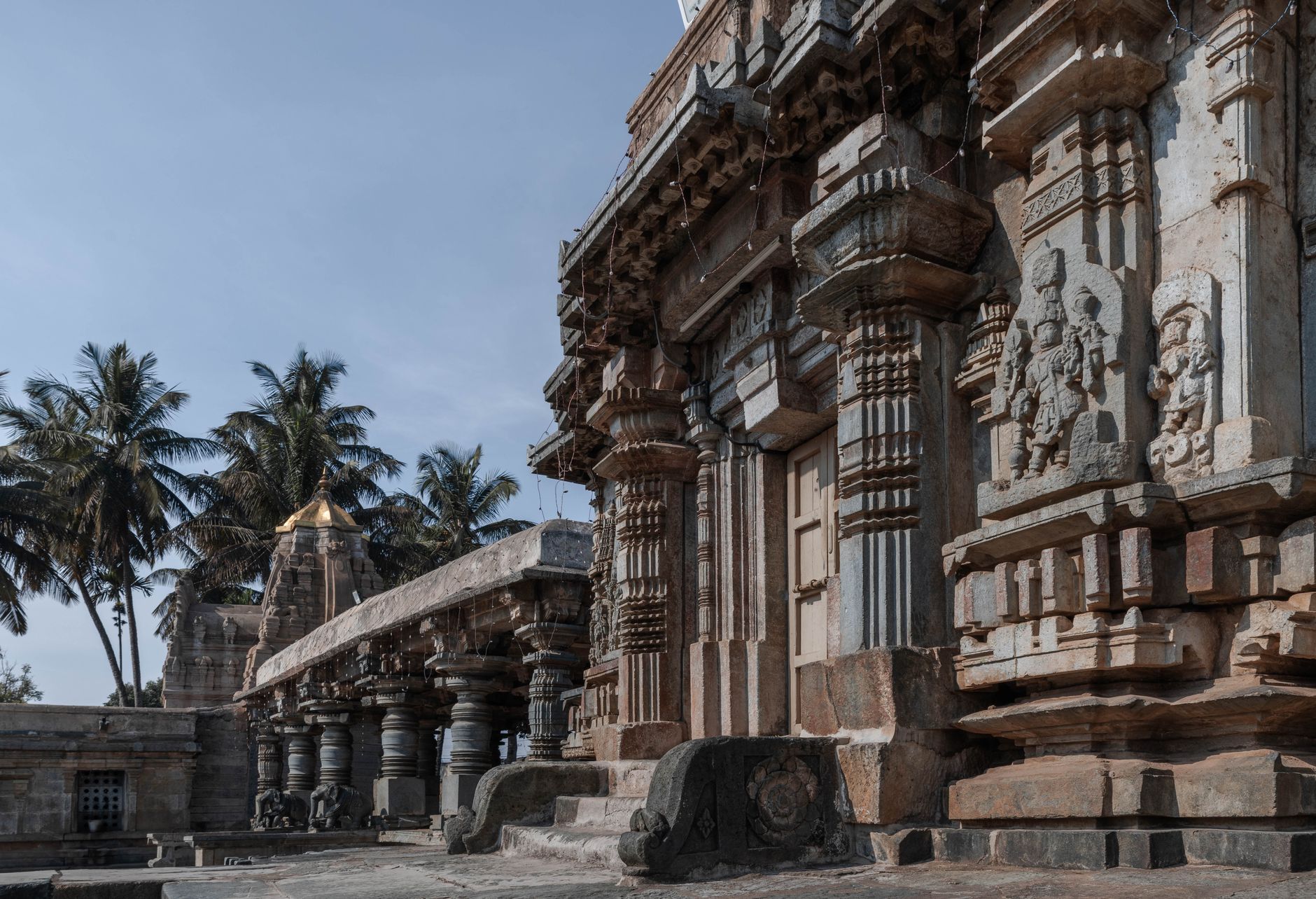
Ikkeri Aghoreshvara Temple, 35 km south, is a 16th-century treasure. The intricate carved pillars inside the sanctum are extraordinary—notice the celestial beings and dancing figures. The temple complex sits by a tank (pond) where the light is best in early morning. Locals come here for darshan; visit between 6–8 am or 4–6 pm to avoid midday crowds and heat.
Shivamogga Shiva Temple in town is actively worshipped and atmospheric during evening aarti (prayer), when bells ring and incense fills the air. It's a 10-minute walk from the city centre; go with an open mind rather than expecting architectural grandeur.
Bhadra Wildlife Sanctuary (40 km east) wraps around the Bhadra Reservoir and contains 186 bird species and occasional tiger sightings. Birdwatching drives at dawn are your best bet; the sanctuary is dry and quieter November–April. Book through your lodge; Jungle Lodges And Resorts- Sakrebyle Elephant Camp runs guided safaris.
Adventure and estate experiences

Shivamogga sits in prime coffee estate country. Many plantations welcome visitors for estate walks and coffee processing tours. You'll see shade-grown Robusta and Arabica, smell the earth after rain, and taste coffee roasted on-site. Ask your hotel to arrange a morning visit; the estates are greenest June–October and most accessible November–March.
For trekking, Gundia Island in the Sharavathi River (near Jog Falls) is a rewarding day walk through deciduous forest. Monsoon closes the route; dry season (December–April) is ideal. The 4 km loop takes 3–4 hours and ends at a riverside campsite where locals fish.
Where to stay and eat
Royal Orchid Central Shimoga is centrally located and a reliable base; excellent for business travellers and those wanting modern comfort close to the city. Malnad Shire An Eco Resort- Shivamogga sits amongst trees on the city's edge, quieter and better for nature-focused stays. If you want immersion, Jungle Lodges And Resorts- Sakrebyle Elephant Camp offers guided safaris into Bhadra and forest walks—the 9.2/10 rating reflects genuine wildlife experiences, though it's basic luxury.
Harsha The Fern Shivamogga and Kimmane Luxury Resort appeal to couples and those seeking upmarket facilities. The latter, highly rated (9.2/10), is rural and surrounded by plantations—perfect for a retreat day.
For food, eat where locals eat: small restaurants near the market serve fresh ragi mudde (millet balls) with spiced curry, and roadside vendors sell incredible jaggery-sweetened coconut rice. The city's biryani is surprisingly good; ask locals for family-run spots rather than hotel dining if you want authentic flavours.
Practical local tips
Timing: Visit June–October if you tolerate rain and want waterfalls and greenery. November–April is dry, clearer, but waterfalls are weak. July–August is peak monsoon; many minor roads become slippery.
Getting there: Shivamogga is 250 km northwest of Bangalore (5 hours by road). Regular buses connect to Chikkamagalur and Sakleshpur. The town is walkable, but you'll need a driver or hired vehicle to reach falls, temples, and estates.
What to skip: Shivamogga city itself has few attractions; you're here for the surrounding forests and rivers. Don't expect a tourist bazaar or major shopping. Bring cash; many small vendors and estate workers don't accept cards.
Safety and respect: Temples close midday; check times before visiting. Guides are invaluable for forest walks—hire one through your hotel rather than wandering alone. Bhadra Sanctuary has strict rules; stay with guides and don't stray from marked trails.
Nearby extensions
From Shivamogga, extend to Chikkamagalur (80 km, 2.5 hours) for higher altitude coffee estates and Mullayanagiri trekking. Or visit Sakleshpur (120 km) for homestays and Manjarabad Fort. Both are accessible day trips or overnight stays.
FAQ
When is the best time to visit Shivamogga? November–February offers clear skies and comfortable temperatures for trekking and temple visits. July–August brings monsoon greenery and full waterfalls, but roads can be slippery. Avoid May (extreme heat).
Can you see elephants in Shivamogga? Yes, in Bhadra Wildlife Sanctuary, though sightings aren't guaranteed. Jungle Lodges' Sakrebyle Elephant Camp runs ethical, expert-led safari drives early morning. Monsoon (June–September) and winter (November–January) have higher encounter rates.
Is Shivamogga safe for solo travellers? Yes. The city and major attractions are safe. Use registered taxis or hire through your hotel for remote sites. Women should avoid trekking alone; join a guided group or hire a local guide.
How long should I spend in Shivamogga? Two to three days covers main attractions—Jog Falls, one temple, a coffee estate, and Bhadra. Add a day if you're trekking or want to slow-travel nearby estates.