Mukka Beach, Karnataka: Coastal Guide & Best Time to Visit
Mukka Beach sits about 15 km north of Mangaluru, a relatively quiet stretch of golden sand where the Arabian Sea meets rocky outcrops and coconut palms. Unlike the busier urban beaches of Mangaluru proper, Mukka rewards visitors with a more intimate coastal experience—you'll often spot dolphins offshore, especially in calmer months, and the light here has a quality that makes sunset photography almost unfair. The beach name itself comes from the local word for the rocky headland that juts into the sea here, creating a natural amphitheatre for waves.
What makes Mukka Beach special?
The defining feature is the dolphin sightings. Spinner dolphins and bottlenose dolphins frequent these waters, particularly between October and April when the sea is calmer and visibility better. You might see them from the shore itself, especially during early morning hours, though boat trips (organised through local operators in Mangaluru) offer more reliable encounters.
The beach has a wild, less-manicured feel than resort-backed stretches. Rocky patches interrupt the sand, creating natural pools and interesting geological formations—these rocks also draw migratory birds, making it worthwhile for anyone with binoculars and patience. The coconut plantations backing the beach release that unmistakable sea-coconut fragrance, especially noticeable on humid afternoons.
Related: Luxury Heritage Hotels in Mysore for Dasara: Ranked and Compared
See also: Mysore Palace Illumination: When to See It and Photo Tips
See also: Murudeshwar with Family: Best Stays and Activities
Best time to visit Mukka Beach
Dry season: October to May
This is unquestionably the prime window. October through December offers perfect conditions: warm but not oppressive temperatures (28–32°C), light winds, and a sea that's genuinely swimmable. Visibility reaches 20–30 metres offshore, so dolphin spotting is most reliable. December and January see cooler days (occasionally dipping to 24°C mornings), which makes midday exploration more comfortable.
February through May remains excellent for swimming, but temperatures climb progressively. By May, you're looking at 34–36°C and drying winds, though the water is still inviting and crowds remain minimal. The light is harshest in April and May, but this also means the sea takes on that vivid turquoise quality that photographers treasure.
Monsoon: June to September
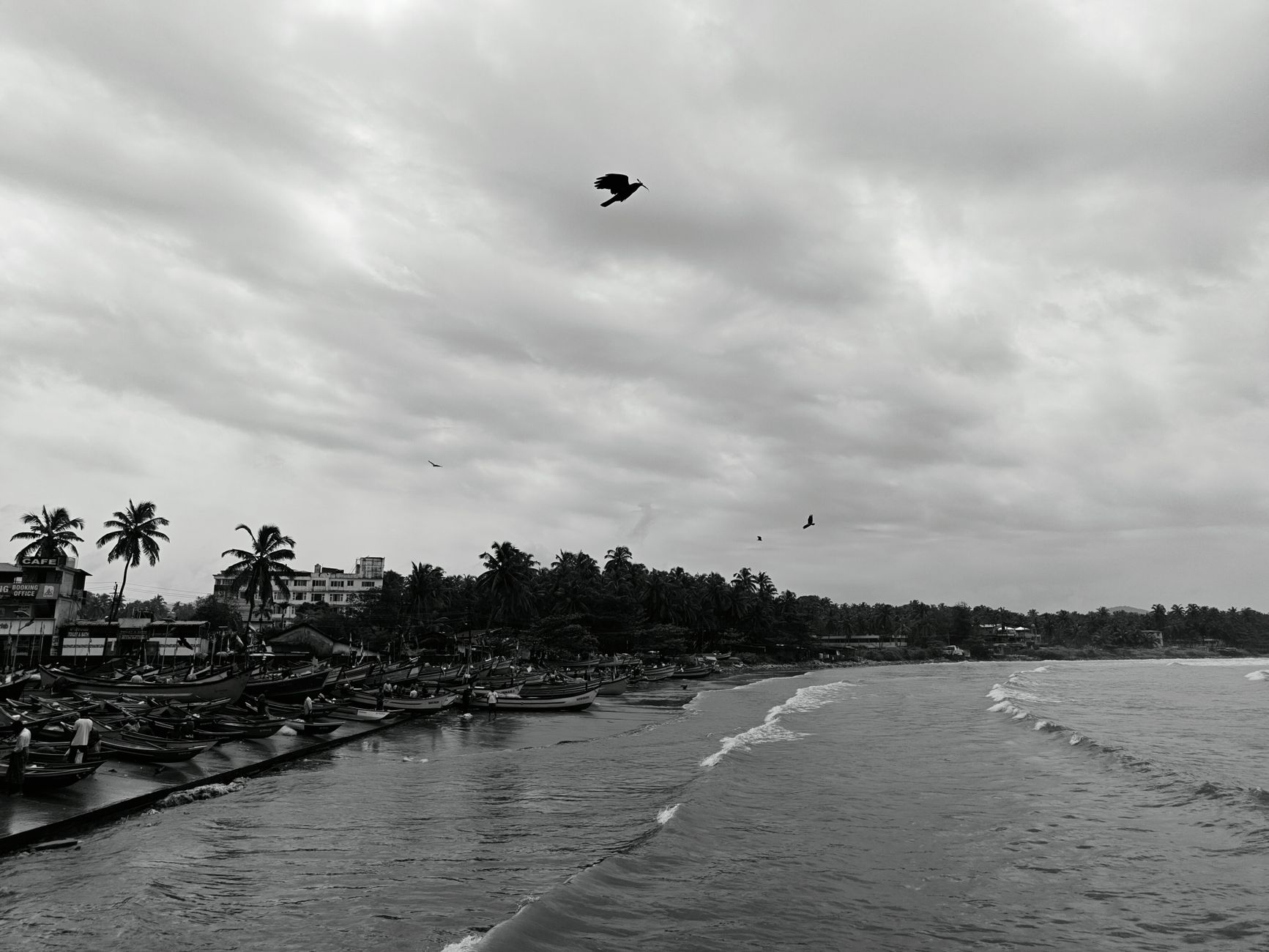
Honestly, the monsoon transforms Mukka into something almost unrecognisable. Waves build to impressive heights (sometimes 2–3 metres), currents become dangerous, and the sky turns an impenetrable grey for days. Rain is frequent and heavy, especially July and August. Swimming is forbidden during peak monsoon months for good reason.
Yet there's an austere beauty here. Fewer tourists arrive, the beach feels primordial, and the air clears between showers to reveal the Western Ghats inland with unusual clarity. If you're after solitude and dramatic seascapes, monsoon visits work—just don't plan water activities. The coconut palms bend genuinely beneath the wind, and the entire landscape feels alive in a way dry season doesn't quite match.
Shoulder seasons: March–April and September
March and April remain warm and dry, though wind picks up marginally. September marks monsoon's end; the sea is still turbulent but gradually calming, and the reduced humidity feels refreshing after August.
What to do at Mukka Beach
Swimming and water activities
Stick to October–May for safe swimming. The water is cleanest and calmest from November through February. Currents vary with tide and seasonal patterns, so always check local conditions. The rocky sections create natural tidal pools perfect for exploring at low tide—you'll find small fish, sea urchins (look, don't touch), and hermit crabs.
Dolphin spotting
Early morning is crucial—head to the beach by 6:30 a.m. during dry season. Bring binoculars and patience; sightings aren't guaranteed but are reasonably common October–April. Local boatmen often have knowledge of recent sightings and can arrange informal boat trips, though quality and safety vary. For more structured tours, contact Mangaluru tourism operators.
Birdwatching
The rocky outcrops and scrubland attract Indian cormorants, herons, eagles, and seasonal migrants. April–May brings interesting sightings as birds pass through on migration routes.
Sunset viewing
The beach faces roughly west-northwest; sunsets are genuinely spectacular October through March, with colours that linger for 20–30 minutes. Bring a book or simply sit—the light here justifies the journey alone.
Comparing Mukka to other Mangaluru beaches
Mangaluru has several beach options, each with distinct character. Mukka is quieter and more nature-focused than Panambur Beach, which has organised water sports and more tourist infrastructure. Tannirbhavi Beach offers similar tranquillity but is slightly closer to the city. Surathkal Beach, further north, attracts surfers during monsoon swells but feels industrial due to nearby port activity. For genuine wild coastline with regular wildlife, Mukka ranks highest.
Planning your visit
How long to stay
A full day suffices for most visitors. Arrive early for dolphin spotting, spend midday swimming or exploring rocky sections, and stay for sunset. Overnight trips are feasible if you're based in Mangaluru and want to combine beach time with evening relaxation.
What to bring
Sunscreen is non-negotiable—the Arabian Sea sun reflects off sand intensely. Waterproof footwear protects against sharp rocks and sea urchins. A hat or light scarf shields your head; the exposed beach offers no shade save a few scattered coconut palms. Binoculars improve both dolphin spotting and birdwatching.
Getting there
Mukka is roughly 15 km from Mangaluru city. Autorickshaws and taxis make the journey in 30–40 minutes depending on traffic; expect to negotiate fares beforehand. Public buses run but are infrequent. Having your own transport gives flexibility for early-morning visits and sunset timing.
Facilities
Mukka remains relatively undeveloped. A few small shack-style eateries operate near the beach entrance, offering fresh seafood and toddy (the local palm wine). Toilets are basic but available. There's no formal accommodation directly at Mukka; stay in Mangaluru proper (10–15 km away) and day-trip, or explore nearby towns like Kundapura for beach resorts.
Nearby alternatives
If you're exploring the Mangaluru coast, consider /ella for its relaxed beach-town vibe and homestays, or check the broader Mangaluru region for urban beach facilities mixed with culture. The monsoon season guide for Kerala and Karnataka coasts covers timing across the region.
FAQ
Are dolphins guaranteed at Mukka Beach?
No. Sightings are likely October–April, especially in early morning, but not certain. Calm seas and clear visibility improve odds significantly. Early starts (before 7 a.m.) yield better results than midday visits.
Is it safe to swim at Mukka?
Swimming is generally safe October–May when seas are calm and currents weaker. Avoid monsoon months entirely. Always check local conditions and swim near other people. The rocky sections can have sharp edges—wear appropriate footwear.
Can I visit Mukka as a day trip from Mangaluru?
Yes, easily. The journey takes 30–40 minutes by taxi or auto. Plan a full day: early morning for dolphins, midday for swimming or exploring, and evening for sunset. Most visitors don't stay overnight.
What's the best month for photography at Mukka?
November and December offer ideal light, calm seas, and good visibility. Sunset colours are richest October–February. Monsoon months (July–August) provide dramatic, moody seascapes for those after raw landscape photography rather than beach aesthetics.