Things to Do in Sakleshpur: Attractions and Local Tips
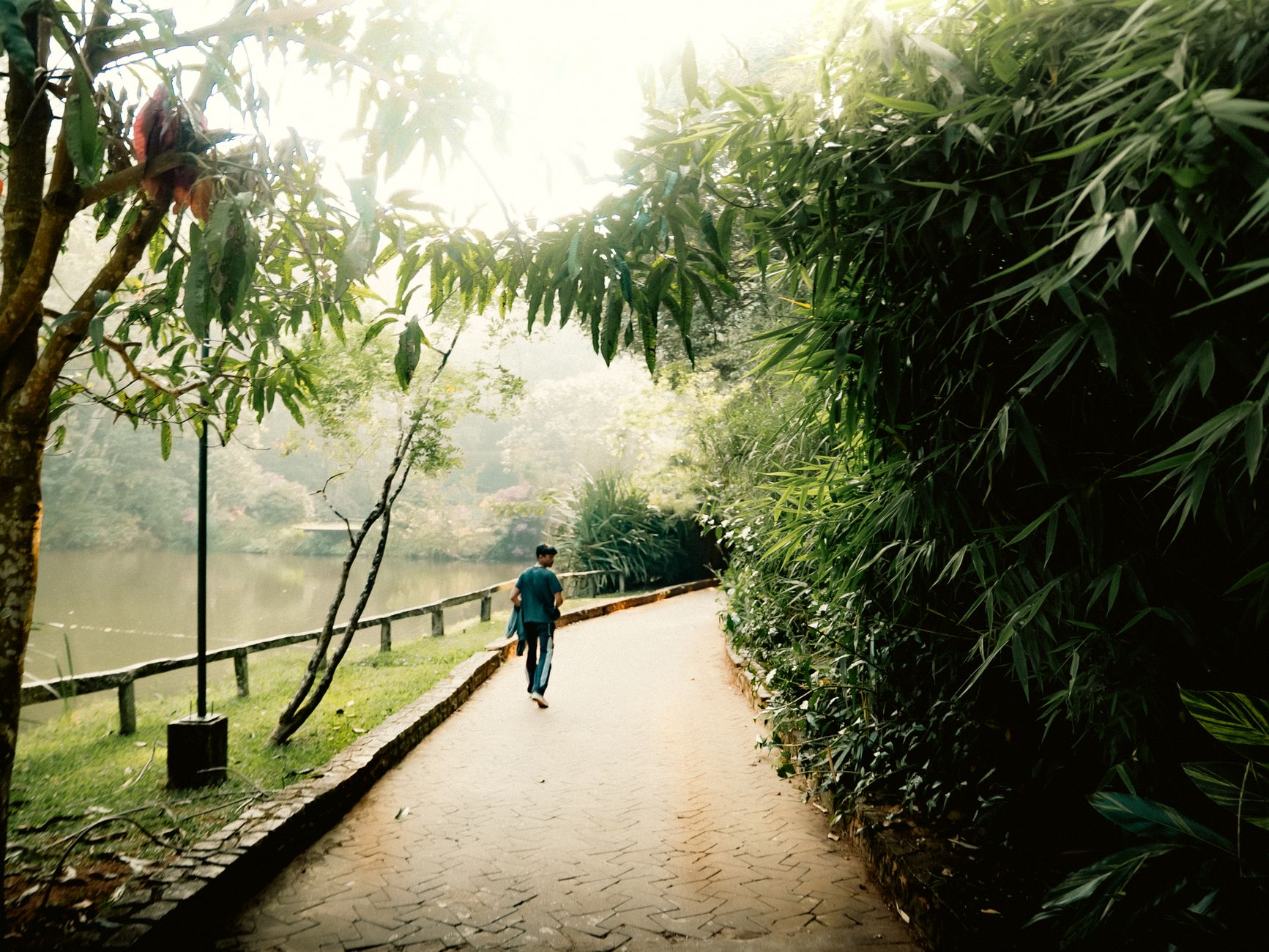
Sakleshpur is a working coffee-growing town in the Western Ghats where afternoons smell of roasted beans and mornings mist over green slopes. The main attractions centre on nature—waterfalls, plantation walks, trekking routes—but the real value lies in timing your visit to align with local rhythms, knowing which roads are actually passable, and understanding that many experiences require stepping outside your hotel boundary.
What are the top attractions in Sakleshpur?
Waterfall trekking forms the backbone of Sakleshpur tourism. Jeevanahalli Waterfall sits roughly 8 kilometres from town and draws steady visitor flow; the walk involves a coffee estate stretch followed by a short forest climb, typically 90 minutes return. The water volume fluctuates sharply with monsoon timing—September through November offers reliable flow. Mantradi Waterfall, less crowded, requires a guide and sits further into estate land; local hotels including Rosetta Sakleshpur and Machaan Plantation Resort Sakleshpur can arrange these.
Plantation walks themselves constitute a valid morning activity. Many estates permit visitors to wander their perimeter paths in exchange for a small fee or cup of coffee at the owner's house. These walks reveal the layered cultivation system—coffee bushes beneath shade trees, often with cardamom or pepper vines climbing the same trunks. Harvest time, typically May through July, adds genuine activity rather than static scenery; watching pickers work alongside machinery offers context for what you're drinking.
Related: Nandi Hills Sunrise Trip from Bangalore: Complete Guide
See also: Mysore Dasara Jamboo Savari: Best Viewing Spots and Timings
See also: Aasare Beach Park: Karnataka's Hidden Coastal Gem
Abhey Ghat, a higher viewpoint accessible by car or moderate trek, provides perspective over the entire valley system and serves as a gathering spot for sunset visitors. The road is potholed and narrow; arriving by 4 p.m. ensures you're not navigating descent in fading light.
Where should you eat and experience local food culture?
Sakleshpur's food story centres on coffee, spices, and South Indian staples rather than tourism-adapted cuisine. The coffee here is filter coffee—not the instant varieties served in many hotels—and drinking it at a local darshini (roadside eatery) involves witnessing the full preparation: hot milk and water poured simultaneously from height into steel tumblers, creating the characteristic froth.
Look for small establishments around the main bazaar, particularly near the bus stand, where breakfast means idli, dosa, or puri served with sambar that contains local chillis and locally-ground spices. The chikhalwali bazar area has been reconstructed but still functions as the town's food anchor point, with vegetable vendors, spice shops, and older eateries operating from 7 a.m. until mid-afternoon.
Cardamom features heavily in savoury preparations and sweets. Local bakers sell cardamom-studded brioches and spiced cakes; these make genuine gifts if you're returning to cities where such things are unavailable. Several estates sell their own roasted coffee directly—worth comparing quality and roast profiles before purchasing, as some cater to tourist taste preferences rather than local drinking standards.
Most accommodations, from Rosetta Sakleshpur to THE DIVINE VALLEY BY DEVAN DHARI, provide adequate meals, but eating purely within your resort removes the everyday Sakleshpur experience. Plan at least one morning departure to a local eatery; restaurants typically serve until 10 a.m.
What are the best trekking routes and walking experiences?
Beyond waterfall treks, two longer routes merit time. The Ombattu Gudda summit walk (sometimes called Ballarayandurga) involves approximately 4-5 hours and climbs through coffee estates and montane forest to a small temple and viewpoint. Guides are essential both for navigation and safety; your hotel can arrange these, though quality varies significantly.
The Bisle Ghat loop, a steeper route linking Sakleshpur to the Coorg border, requires planning and fitness. This 15-kilometre walk follows old cart tracks and forest paths used by plantation workers; it's least busy during monsoon season when tourist numbers drop and the landscape becomes almost inaccessible to casual visitors. Regenta Resort Sakleshpur and ViGo Homes cater to guests interested in serious trekking and can provide reliable guides familiar with seasonal conditions.
For less committed walkers, the plantation margins and estate roads offer hour-long wandering without navigation stress. Many properties permit walking access if you're respectful—carrying a water bottle and wearing sensible shoes communicates intent better than smartphones.
How should you time your visit for the best experience?
Sakleshpur reveals different faces depending on season. Monsoon months (June through September) bring green intensity and waterfall volume; the tradeoff involves slippery paths, occasional landslips on access roads, and reduced visibility on high points. September-October offers the sweet spot: rains are easing, vegetation remains full, and initial harvest activity begins.
Harvest season (May-July) transforms the town beyond tourism purposes. Worker camps appear on estates, mechanical pickers operate during daylight hours, and the entire rhythm shifts toward productivity. Visiting during this period means navigating around active operations, but it provides genuine cultural context lacking in off-season visits.
November through February delivers cool mornings, clear visibility, and comfortable walking temperatures. This period attracts peak tourist numbers; roads congestion increases and the town's accommodation fills earlier each week. Rooms at Tapovana The Fern Sakleshpur, Series by Marriott and Unlock by Goldfinch Sakleshpur require advance booking.
What practical details matter for visiting Sakleshpur?
Road condition between Sakleshpur and Hassan or Coorg varies seasonally; the main highway is reasonable, but internal routes to attractions deteriorate quickly after rain. Hiring a local taxi rather than attempting self-drive gives better flexibility and safety, particularly on estate access roads where signposting is minimal.
Accommodation ranges significantly in character. Rosetta Sakleshpur and Machaan Plantation Resort Sakleshpur operate as proper resorts with facilities and organised activities; ViGo Homes and THE DIVINE VALLEY BY DEVAN DHARI occupy the middle ground as smaller, more intimate properties. Budget options like Srinivasa Residency exist but lack the grounds and experience depth of larger properties.
Cash remains essential for small purchases, estate visits, and local guides. The nearest ATM sits in Hassan town, approximately 50 kilometres away. Mobile signal is available but variable depending on your location within the valley.
Guide arrangement through your hotel is reliable; independent guide hunting in town is possible but requires Kannada or good luck. Rates typically sit between ₹500-800 for half-day walks. Verify whether guides carry first aid supplies and have experience with your chosen route before departing.
Nearby exploration options
Sakleshpur sits positioned for day trips to Hassan (coffee town and historical site architecture) and Coorg (denser tourist infrastructure and higher elevations). Road time between locations ranges from 45 minutes to 2 hours depending on route and condition.
FAQ
Can you visit coffee plantations independently? Most plantations allow visitors along perimeter paths and roads; entering active cultivation areas or approaching buildings requires arrangement through your hotel or local guides. Estate owners occasionally welcome visitors at their homes for coffee; this happens by chance or introduction rather than scheduled access.
Is Sakleshpur suitable for families with children? Yes, provided you choose shorter walks (Jeevanahalli Waterfall is manageable for school-age children) and book accommodation with activities. Toddlers find plantation roads tiring and waterfall paths slippery; very young children suit plantation stays more than hiking-focused visits.
What's the difference between Sakleshpur and nearby hill towns? Sakleshpur remains primarily a working coffee town rather than a developed tourist destination like Ooty or Munnar. You'll encounter fewer restaurants, less English-language signposting, and more genuine agricultural activity. This means fewer creature comforts but more authentic daily experience.
Do you need a car to experience Sakleshpur? Optional. Most attractions require transport, but the town bazaar area rewards walking. Hiring a local taxi for 4-6 hours covers waterfall visits and viewpoint access affordably.