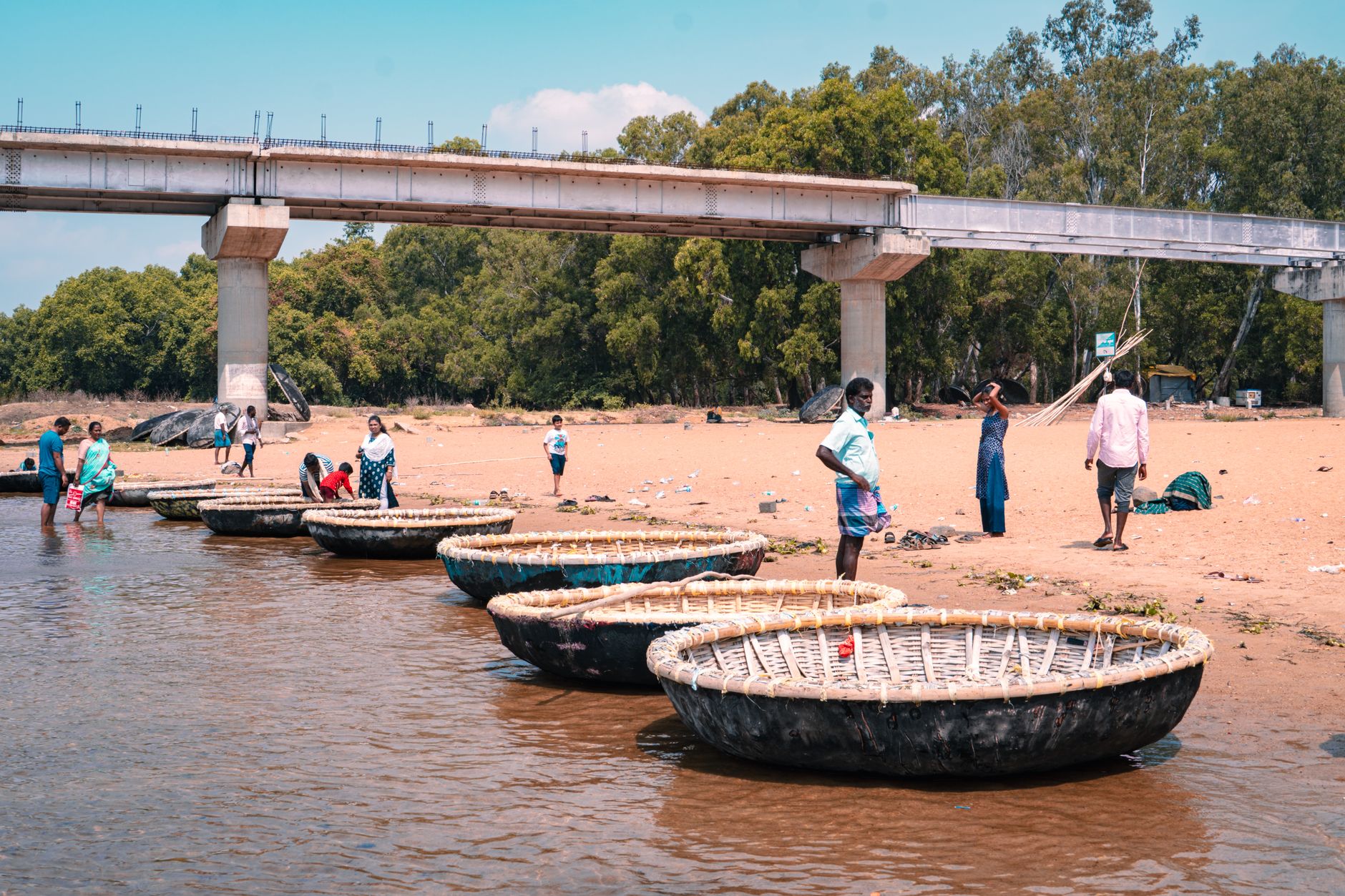
Aasare Beach Park: Karnataka's Hidden Coastal Gem
Aasare Beach Park sits roughly 30 km south of Mangaluru city, offering a refreshingly quiet escape from crowded urban beaches. Unlike the more famous Mangaluru or Udupi beaches, Aasare remains relatively underdeveloped, preserving much of its natural appeal whilst gradually introducing visitor amenities. It's a genuine spot for those seeking authentic coastal Karnataka without the infrastructure bustle.
What Makes Aasare Beach Park Special?
The beach itself stretches across golden-brown sand with calm, shallow waters ideal for swimming during non-monsoon months. The setting feels genuinely coastal—fishing nets line the shore, local fishing communities work throughout the day, and the pace is deliberately slow. The park designation means there's basic infrastructure: parking facilities, a few food stalls, and modest seating areas, but nothing that disrupts the natural character.
The real draw is the lack of commercial overdevelopment. You'll find families, couples, and solo travellers rather than tourist crowds. Sunset viewing is particularly worthwhile here—the sky colours are vivid, and the quietness amplifies the experience. Morning visits also suit early risers interested in observing local fishing practices or spotting migratory birds.
Related: Hampi on a Budget: Guesthouses, Thalis and Cycle Hire
See also: Coorg with Kids: Family-Friendly Stays and Activities
Related: Bangalore Layover Guide: What to Do in 6, 12 or 24 Hours
Practical Visiting Information
Getting There
From Mangaluru city centre, travel south via the coastal road towards Surathkal and beyond. Most visitors drive their own vehicles or hire taxis; the journey takes approximately 45 minutes to an hour depending on traffic. Public buses serve the route but are infrequent. If using a two-wheeler, the ride is scenic but roads vary in condition—some stretches are well-maintained, others rougher.
The nearest significant town is Surathkal, which has basic facilities. Mangaluru itself is your best base for hotels and restaurants if you're staying overnight.
Best Time to Visit
October through May offers the most pleasant weather—clear skies, manageable humidity, and safe swimming conditions. The monsoon (June to September) creates dramatic wave action and moody atmospheres if you're photographing, but the sea becomes rough and swimming dangerous. July and August particularly bring heavy rain. Summer (March to May) is hot and humid but still visitable early in the day.
What to Bring and Expect
Bring sun protection, water bottles, and sturdy footwear. The beach has sand and rocks in places. Facilities are minimal—there's no lifeguard service, so swimming is at your own risk. Public toilets exist but are basic; eating options include a few small shacks selling local seafood, coconut water, and tea. No large restaurants or shops nearby, so arrive prepared.
Do not expect beach loungers, umbrellas for hire, or beach bars. This is part of the charm for those seeking quiet, but it means you must be self-sufficient.
What to Do at Aasare Beach Park
Swimming and Wading
The shallow waters are safe during calmer months. Water temperature is warm year-round but coolest from December to February. Avoid swimming alone, and never enter during rough seas—local warning signs exist but don't always reflect real-time conditions.
Photography and Observation
The fishing community and natural light make this excellent for photography, particularly at dawn and dusk. If photographing people, ask permission. The coastline changes seasonally—storm activity reshapes sand patterns, and different species appear depending on season.
Quiet Relaxation
Simply sit, read, or think. The absence of commercial noise and tourist infrastructure makes this feasible in ways busier beaches don't permit. Bring a picnic if you plan a long visit.
Bird Watching
Migratory species visit during winter months (October to March). Early morning offers the best sightings. Bring binoculars and a field guide.
Aasare Beach Park vs Nearby Alternatives
Aasare vs Mangaluru Beach: Mangaluru Beach is busier, with restaurants and facilities but less natural character. Aasare is quieter and more authentic but demands more self-preparation.
Aasare vs Surathkal Beach: Surathkal, nearby, is slightly more developed with some restaurants and a stronger fishing village atmosphere. Aasare edges ahead for pure tranquility.
Aasare vs Udupi Beach: Udupi is further north, more tourist-oriented, and livelier. Choose Aasare if you want the opposite experience.
Safety and Practical Considerations
The beach is safe during daylight. Avoid evening visits unless you're with a group—isolation increases after sunset. Petty theft is uncommon but possible; don't leave valuables unattended. The area has limited police presence, so trust your instincts about safety.
Respect local fishing activities and don't disturb nets or boats. The community is accustomed to visitors but not tourists in high numbers, so courtesy goes noticed.
Nearby Attractions
Surathkal lies just north and offers a small fortress and fishing village exploration. Mangaluru city itself, 30 km north, has museums, temples, and urban amenities if you're staying longer. The Mangaluru area page provides broader context for coastal Karnataka exploration.
For context on best visiting times across Karnataka's coast, the best time to visit page offers seasonal breakdowns applicable to Aasare.
FAQ
Is Aasare Beach Park free to visit? Yes, there's no entrance fee. Parking is minimal cost or free depending on management. You pay only for food if purchasing from local vendors.
Can I bring alcohol or have a picnic? Alcohol isn't prohibited explicitly but isn't encouraged given the fishing village context. Picnics are entirely acceptable—bring your own food and dispose of waste responsibly.
Is it safe for children? Yes, the shallow waters and calm setting suit families. Supervise constantly; there are no lifeguards. Basic first-aid facilities don't exist, so carry a simple kit.
Should I visit in peak season or off-season? Off-season (October to November, February to March) offers the best balance: pleasant weather and fewer visitors. Peak season (December to January) brings slightly more crowds but remains quiet compared to other Karnataka beaches.