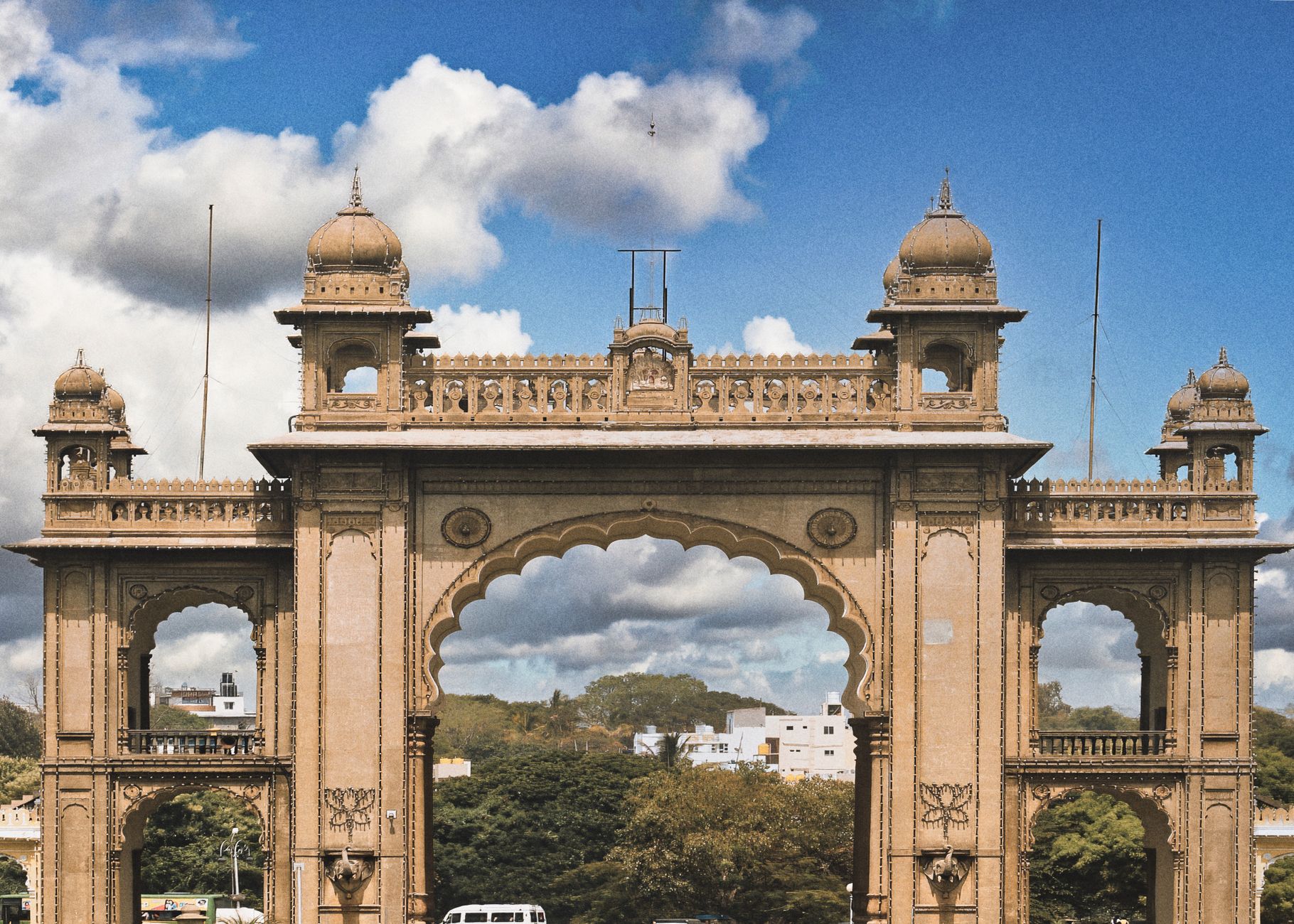
Ten days gives you a genuine cross-section of Karnataka: ancient stone empires, cardamom-scented hill estates, elephant corridors, and a coastline that smells of dried fish and sea spray. This grand circuit is designed as a loop from Bengaluru, so international arrivals and departures stay simple, and every leg connects by road or rail without backtracking.
Who Is This Circuit Best Suited To?
This itinerary suits first-time visitors to Karnataka who want breadth over depth — a confident sampler plate rather than a single-region deep dive. It works well for travellers comfortable with long road days (four to five hours at a stretch), mixing heritage sightseeing with nature and slow mornings on a coffee estate. It is not ideal for anyone who wants to linger a week in one place; for that, consider a Coorg-focused trip or a dedicated Hampi stay.
What Is the Best Time to Do the Full Circuit?
October through February is the sweet spot. Temperatures across the Deccan plateau sit between 18 °C and 30 °C, wildlife sightings at Nagarhole are excellent as animals concentrate around shrinking waterholes, and the coastal roads are dry and driveable. The Hoysala temple carvings glow warmly in winter light rather than disappearing into monsoon haze.
Related: Coorg vs Sakleshpur vs Chikmagalur: The Coffee Country Decision
See also: Coorg vs Chikmagalur: Which Coffee Country Escape Suits You?
Related: Gokarna vs Goa: The Honest Comparison
If you travel June through September, be honest with yourself about the trade-offs. The Western Ghats turn an almost hallucinatory green; Coorg's coffee estates drip and steam in a way that feels primordial. But the coast road can close during heavy surges, Nagarhole's jeep tracks become waterlogged, and Hampi — though fewer crowds — bakes under pre-monsoon heat before the rains arrive. Check the best time to visit Karnataka before booking flights.
The Day-by-Day Grand Circuit Route
Days 1–2: Bengaluru — Arrival and Orientation
Fly into Kempegowda International Airport and give yourself two full days in Bengaluru. Most foreign travellers underestimate the city. Beyond the traffic, there is a genuinely excellent food scene, the Victorian-era Lalbagh Botanical Garden on a quiet morning, and the Bengaluru Palace for a sense of the Mysore royal family's reach. Use these days to acclimatise, adjust to the time zone, and stock up on anything you have forgotten.
Days 3–4: Mysuru and the Hoysala Belt
The drive south to Mysuru takes roughly three hours. The city rewards two nights: one long evening at the illuminated Mysore Palace (Wednesday, Saturday, and Sunday evenings when every bulb blazes) and a day trip to Srirangapatna, the island fortress where Tipu Sultan made his last stand in 1799. On the return leg, divert to Somnathpur for the Keshava Temple — three star-shaped shrines encrusted with thousands of individual figures, each one different. Standing in that courtyard in the early morning, with myna birds calling across the carved stone, you understand immediately why the Hoysalas are on the UNESCO World Heritage list.
For a fuller look at the region, read our Mysuru travel guide.
Days 5–6: Nagarhole and the Coffee Borderlands
From Mysuru, head west into the forest corridor. Nagarhole National Park borders both Kerala and Coorg, and the transition from Deccan scrub to Western Ghats canopy happens almost within a single kilometre. Book morning and evening jeep safaris through your accommodation; dawn drives in October and November regularly produce elephant herds, gaur, spotted deer, and if you are patient and lucky, a glimpse of a leopard moving along a forest edge. The air here smells of damp leaf litter and something mineral, like stone after rain.
Days 7–8: Coorg (Kodagu) — Estate Life and Misty Valleys
Coorg sits an hour or so north of Nagarhole through tea and coffee plantations, the road climbing steadily until you are in genuine hill country. Two nights here allows a morning walk through an estate — coffee cherries or cardamom pods depending on the season — a visit to the Raja's Seat viewpoint at dusk (on a clear December evening you can watch the sun drop into the Ghats from that bench), and perhaps a trip to the Abbey Falls where the water thunders even in the dry season. Coorg is one of the very few places in Karnataka where the landscape genuinely changes your breathing pace. Explore the region further on our Coorg travel page.
Days 9–10: Mangaluru and the Coast
The final leg takes you west and down through the Ghats to Mangaluru, Karnataka's most significant coastal city. The descent alone — 40 minutes of hairpin bends through progressively lusher vegetation — is worth the detour. Mangaluru's fish market at dawn is chaos, colour and extraordinary freshness; a plate of kane fish fry at a local restaurant is the most honest meal on the entire circuit. Spend afternoon time at the Sultan Battery viewpoint or wandering the old port neighbourhood. Fly home from Mangaluru's airport directly, or take the overnight Matsyagandha Express back to Bengaluru for your international connection.
How Does This Route Compare to Other Karnataka Circuits?
| Circuit Type | Duration | Best For | What You Miss |
|---|---|---|---|
| Grand Circuit (this guide) | 10 days | First-timers wanting breadth | Hampi, Badami, Belur in depth |
| Northern Heritage Circuit | 8–10 days | History and archaeology focus | Wildlife, coast, hill estates |
| Western Ghats Focus | 6–7 days | Nature, trekking, plantation stays | Deccan heritage, Mysuru |
| Full Karnataka Loop | 15–18 days | Returning visitors, slow travellers | Nothing — covers most of the state |
The grand circuit deliberately omits Hampi and the Badami cave temples because adding them honestly requires 14 days minimum to avoid a rushed, exhausting pace. Consider a return trip dedicated to northern Karnataka if those sites call to you.
Practical Notes for Foreign Travellers
Visas: India's e-Visa system covers most nationalities; apply at least four business days before travel, though a week is safer.
Getting around: A private car with a driver for the full circuit is the most comfortable and flexible option, particularly for the Nagarhole and Coorg legs where public transport is infrequent. Trains connect Bengaluru–Mysuru and Bengaluru–Mangaluru reliably; booking on IRCTC at least two weeks ahead is essential for sleeper and AC classes.
Money: UPI payments are everywhere in cities, but carry cash for forest lodges, rural dhabas, and estate shops. ATMs in Coorg town and Nagarhole's gateway town of Hunsur are functional but sometimes run out at weekends.
Connectivity: Airtel and Jio SIMs work well in Bengaluru, Mysuru, and Mangaluru. Expect patchy data inside Nagarhole and on the Ghats descent to the coast. Download offline maps before you leave the city.
FAQ
Can I do this circuit entirely by train and bus without a private car? Bengaluru to Mysuru and Bengaluru to Mangaluru are excellent by train. Mysuru to Nagarhole and Nagarhole to Coorg are significantly harder on public transport — local buses exist but run infrequently and do not serve wildlife lodges directly. A shared taxi or rented car makes those middle legs far more practical.
Is 10 days enough or should I extend to 12? Ten days works comfortably if you are a decisive traveller happy with one or two nights per destination. Adding two extra days is worthwhile if you want a slower Coorg experience, a second safari in Nagarhole, or time to explore Mangaluru's temple circuit and old town properly.
Which leg is most likely to be disrupted by weather? The Coorg-to-Mangaluru road through the Ghats is the most weather-sensitive section. During heavy monsoon (June–August) landslips can close the main route for hours or days. October onwards this is rarely an issue; always check local conditions the evening before.
Do I need to pre-book wildlife safaris at Nagarhole? Yes. Nagarhole (Rajiv Gandhi National Park) has a daily visitor cap and safari slots fill quickly between October and February. Book through the Karnataka Forest Department online portal at least two weeks ahead, or ask your accommodation to assist when you confirm your stay.