Hampi wins on sheer spectacle and scale; Badami wins on intimacy and cave-temple atmosphere. First-time visitors to Karnataka's heritage circuit should generally start with Hampi, then save Badami for a second trip or pair them on a longer northern Karnataka loop when you have five or more days to spare.
What Makes Hampi So Hard to Leave?
Step into Hampi and the landscape does half the work before you even reach a monument. Enormous ochre boulders — some balanced as though placed by a child's hand — litter the banks of the Tungabhadra River, and the ruined Vijayanagara capital spreads across more than 40 square kilometres between them. The Virupaksha Temple is a functioning, living place of worship; you can hear the morning bells before the coaches arrive. The Vittala Temple complex, with its famous stone chariot and musical pillars, demands at least two unhurried hours on its own. In the late afternoon, the boulders turn amber, then rust, then almost violet, and the sheer quantity of carvings — elephants, horses, celestial dancers — means you notice something new every time you look.
Hampi rewards three full days comfortably. History lovers could stretch to five. The scale is genuinely overwhelming on a first visit, but in the best possible way.
Related: Coorg vs Sakleshpur vs Chikmagalur: The Coffee Country Decision
See also: Coorg vs Chikmagalur: Which Coffee Country Escape Suits You?
See also: Karnataka Road Trip Routes Ranked by Scenery
What Makes Badami Different, Not Lesser?
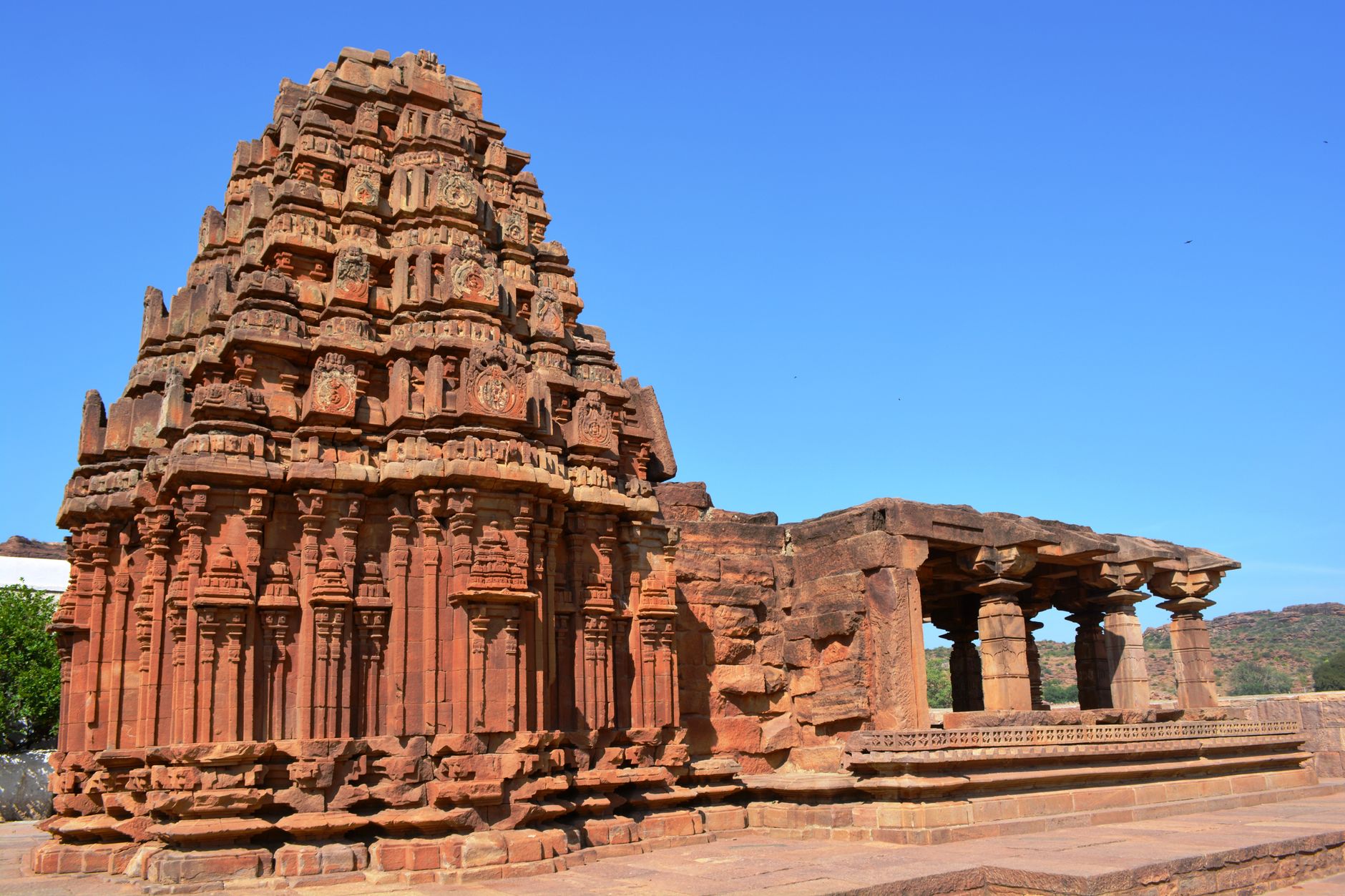
Badami is smaller in every dimension but not smaller in impact. The town sits inside a red sandstone gorge, and the four rock-cut cave temples carved directly into the cliff face between the 6th and 8th centuries by the Chalukya dynasty have an extraordinary intimacy that a vast open-air site like Hampi cannot offer. You step through low entrances and find yourself face-to-face with 1,400-year-old carvings of Vishnu's avatars and Shiva as Nataraja — lit only by the daylight angling through the entrance, which forces you to slow down and look properly.
The Agastya Lake below the caves reflects the gorge walls in the early morning, and the temples of Bhutanatha rising from the water's edge are genuinely beautiful. Nearby Pattadakal and Aihole — both within easy day-trip distance — are usually visited as a trio with Badami and multiply the value of the journey significantly. This cluster forms one of the most important early Deccan Hindu architectural sequences in India.
Two days in Badami town is comfortable; three if you plan methodical visits to all three sites.
How Do the Practical Logistics Compare?
Getting there: Hampi is best reached via Hospet, which has rail connections from Bengaluru, Goa, and Hubballi. Badami sits on a slower rail line with fewer direct services; most travellers approach by train to Badami station or by road from Hubballi (roughly two hours). Neither destination is difficult, but Hampi's transport links are marginally more convenient from Bengaluru.
Accommodation: Hampi has a well-developed range of options on both the main Hampi side and the quieter Virupapur Gaddi (island) side of the river. Badami has fewer choices and books out quickly around Diwali and the winter festival season — plan ahead.
Crowd levels: Hampi is the more popular site and can feel busy around the main monuments between 10 am and 3 pm in peak season (October to February). Badami's caves get their own morning rush but thin out quickly; you can often have a cave largely to yourself in the early hours.
When Is the Best Time to Visit Each?
Both sites sit in north Karnataka's semi-arid zone, which means they share broadly similar seasons. October to February is the most comfortable window — clear skies, temperatures in the mid-twenties, and long golden evenings that make boulder-hopping or gorge-gazing genuinely pleasant.
March to May grows hot quickly; temperatures in the upper thirties make daytime monument visits draining, though early mornings remain workable.
The monsoon (June to September) transforms both places dramatically. The Tungabhadra floods its banks near Hampi, cutting off the Virupapur Gaddi crossing entirely and making some lower areas inaccessible. The stones steam after rain. Badami's gorge fills with mist. It is dramatic and photogenic, but you will get wet, some paths are slippery, and a few sites may be partly closed. Travellers who do not mind rain find this season has a raw, uncrowded atmosphere that peak season cannot match. Read more on the best time to visit Hampi before you finalise dates.
So Which Should You Visit First?
Choose Hampi first if:
- This is your first Karnataka heritage trip and you want the defining, unmissable experience
- You have only three or four days in the region
- You are travelling with people who need visual drama to get excited about history
- You want a wider range of food, accommodation, and fellow traveller energy
Choose Badami first if:
- You are returning to Karnataka and have already done Hampi
- You are travelling as a couple or solo and prefer quieter, more contemplative sites
- You want to combine the Badami–Pattadakal–Aihole trio into a focused architectural deep-dive
- You have a strong interest in early Chalukya history specifically
Do both on one trip if:
- You have seven or more days for northern Karnataka
- You are travelling by road and can make a loop: Bengaluru → Hampi → Badami → Hubballi → Bengaluru works well and covers the major heritage highlights of the region
For broader context on planning your route through the region, our northern Karnataka guide covers transport connections between the two areas in more detail.
FAQ
Can you visit Hampi and Badami on the same trip? Yes. They are roughly 140 kilometres apart by road. Most travellers do Hampi first (three days), then drive or take an indirect train to Badami for two to three days. It makes for a very satisfying week-long circuit.
Which site has more UNESCO recognition? Hampi is a UNESCO World Heritage Site on its own. The Pattadakal monument group near Badami holds UNESCO status, and the Badami cave temples are on the tentative list. Hampi currently carries the stronger international recognition.
Is Badami safe and easy for solo travellers? Yes. Badami is a small, calm town and the cave temple path is well-marked and busy enough during daytime that solo travel is comfortable. The gorge path can be uneven, so good footwear matters.
Which is better for photography? Hampi offers more variety — boulders, river, temple complexes, village life. Badami's gorge and lake reflection shots are among the most striking single images in Karnataka. Photographers who can visit only one often choose Hampi for sheer diversity; those who want one iconic composition often lean toward Badami at dawn.