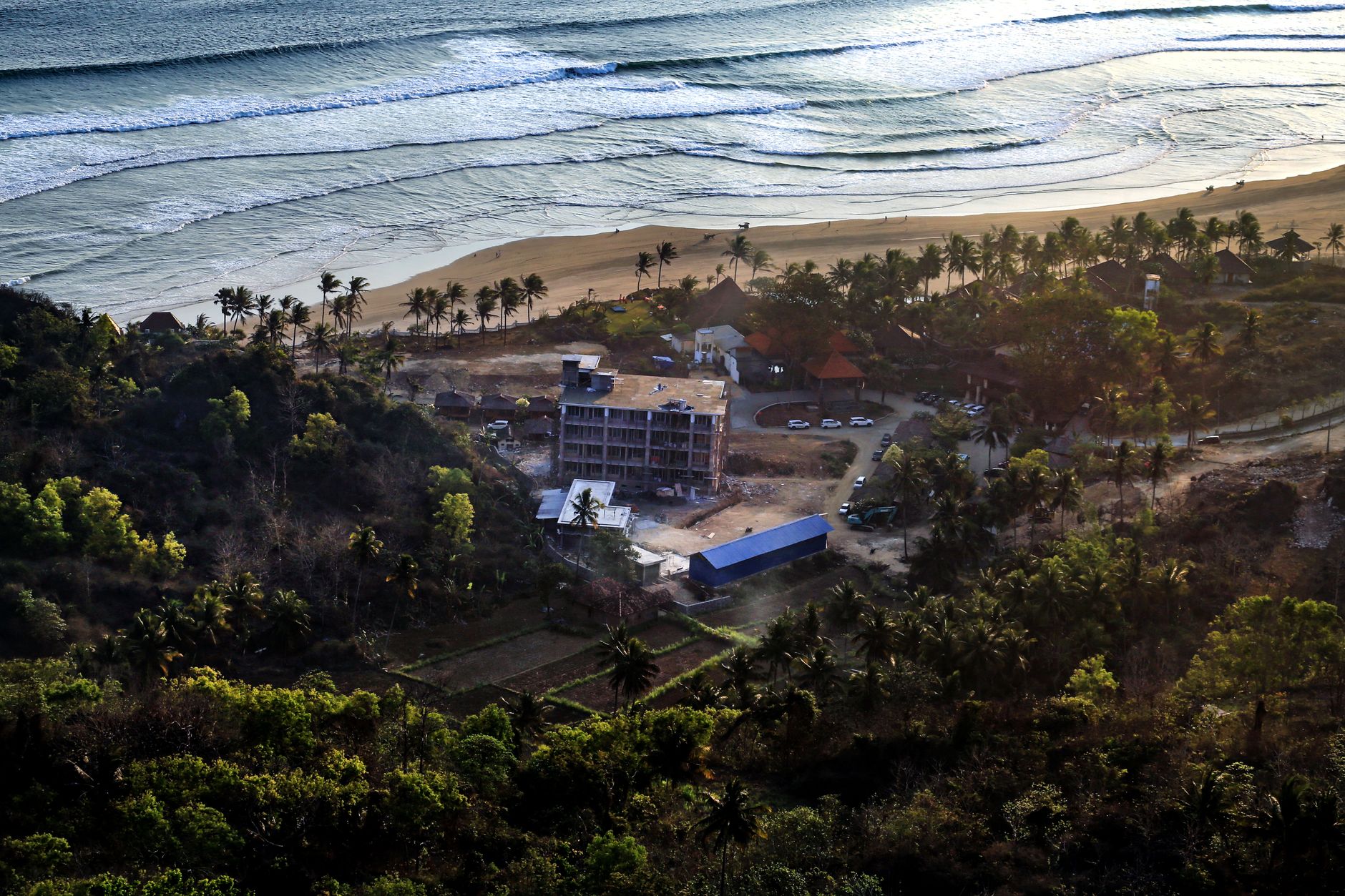
Hostels in Murudeshwar: Budget Stays Near the Temple & Beach
Murudeshwar's hostels sit within arm's reach of one of Karnataka's most striking religious landmarks and a working fishing harbour, making them practical bases for travellers seeking affordable coastal stays without sacrificing atmosphere or location. Dorm accommodation clusters in two main areas—near the beachfront where the Shiva temple dominates the skyline, and in the town centre a short walk uphill—with most hostels charging ₹400–800 per night for shared beds and offering common kitchens, social lounges and laundry facilities that encourage guest connection.
Where are hostels located in Murudeshwar?
The majority of budget accommodation sits within the town's compact core, generally no more than five minutes' walk from either the beach or the main bazaar. Beachfront hostels occupy the seafront road running south from the temple, offering direct views of the rocky shore and access to sunrise walks along the water's edge, though these tend toward the noisier side during festival periods when pilgrims arrive in waves. Town-centre hostels sit uphill near the market area, quieter and convenient for grocery shopping or catching transport onwards—the coastal highway runs through here, making onward travel to Jog Falls or Goa relatively seamless.
A third cluster has emerged near the train station in recent years, useful if you're arriving by rail from Mangaluru or Hassan, though this location requires a short auto-rickshaw ride (₹30–50) to reach the beachfront attractions. Most hostel owners or staff can arrange this easily, and several provide shuttle services during peak seasons.
Related: Coffee Nest Coorg: What to Expect and How to Visit
Related: Jammabane Cottage Coorg: A Guide to This Hidden Stay
Related: Dubare Elephant Camp Timings Tomorrow & Best Times to Visit
What should you expect from Murudeshwar hostels?
Accommodation standards vary considerably. Budget hostels typically offer basic dorm rooms with four to eight beds, simple shared bathrooms and sometimes a small kitchen area where you can prepare light meals—useful if you want to avoid the monotony of eating out three times daily. Mid-range hostels (₹600–900) often include private rooms alongside dorms, more reliable hot water, reliable WiFi, and sometimes a restaurant or café where breakfast runs ₹100–150.
Common facilities worth checking include: a rooftop space (several hostels use these for evening hangouts with views of the temple lit at night), a common kitchen that isn't perpetually grimy, laundry services (essential if you're staying several days), and secure lockers for valuables. Ask specifically whether the hostel has a 24-hour reception—some smaller places operate on skeleton staffing overnight, which matters if you're heading out for an evening walk or early morning swim.
WiFi quality is genuinely variable. Murudeshwar sits on the coast with monsoon conditions from June to August that sometimes disrupt connectivity; if you need reliable internet for remote work, ask current guests in hostels' online reviews before booking, or consider staying in Mangaluru instead (around 60km away on the highway).
How do hostels in Murudeshwar compare to hotels?
Hostels offer sociability that private hotel rooms cannot replicate—the shared common areas naturally facilitate conversations with other travellers, locals, and sometimes backpackers on extended road trips through India's coast. Many hostels run simple activities like group dinners or kitchen nights where guests cook together, which can deepen your experience of the place beyond the typical tourist route.
Private budget hotels in town typically cost ₹800–1,200 per night for a basic room with en-suite bathroom and air-conditioning, offering more privacy and potentially better sleep if you're sensitive to noise. Hotels generally include complimentary breakfast; hostels rarely do, though they'll have kitchen access if you want to prepare your own.
The trade-off is atmosphere: hostels attract younger or independently-minded travellers and tend to buzz with conversation and shared meal planning, whilst hotels cater to couples, families and those wanting anonymity. For a solo traveller or small group, hostels make economic and social sense; for longer stays (more than four nights), some hostels offer discounts that rival hotel rates.
Compare this to nearby alternatives: Gokarna, roughly two hours' drive south, has a well-established backpacker hostel culture with more variety and competitive pricing, whilst Mangaluru's city hostels offer more buzz but less of the coastal, temple-focused atmosphere Murudeshwar provides.
What's the practical culture around staying in hostels here?
Murudeshwar is a temple town where pilgrimage remains the primary visitor flow; outside festival periods, backpackers form a distinct minority. You'll encounter friendly curiosity from locals and hostel staff rather than tourist weariness. Most hostel owners speak functional English and are genuinely interested in connecting travellers with local knowledge—ask about fishing villages accessible by foot, where you can watch the daily catch being landed, or about the lesser-known coastal rock pools ideal for swimming without the temple crowds.
Religious sensitivity matters: the Shiva temple is an active place of worship, not a museum piece. If you visit (there's typically no entry fee), wear clothes that cover shoulders and knees, remove shoes before entering the inner sanctum, and avoid photographing rituals or priests without explicit permission. Most hostels will provide basic guidance on this.
Food etiquette is straightforward. Coastal Karnataka cuisine is seafood-forward—arrive with an appetite for fresh fish curry, prawns, and crab, often served with rice or roti from small restaurants clustered near the beach. Many hostels sit above or within five minutes of these establishments. Vegetarian options exist but require a little more asking around; the market bazaar has plenty of fresh produce if you're cooking in a hostel kitchen.
Monsoon season (June–August) brings warm, humid weather and occasional heavy rain that can strand you indoors; hostels are ideal for this because the social spaces and shared atmosphere make indoor days feel less isolating. October to February is the sweet spot: clear mornings, warm but not scorching days, and the sea calm enough for swimming.
FAQ
Do hostels in Murudeshwar offer single rooms? Most provide dorm beds exclusively, though some mid-range hostels have begun adding private rooms (often at double or triple the dorm rate). Check the property's description carefully; if privacy is essential, budget hotels offer better value.
Can I cook in hostel kitchens? Yes, nearly all hostels provide communal kitchens, though quality and cleanliness vary. Basic supplies (oil, spices, salt) are sometimes provided; bring or buy anything else. Most travellers eat out instead because meals at local restaurants cost little more than self-catering and require no effort.
How do I get from the train station to a hostel? Auto-rickshaws are the standard; expect ₹30–50 to the beachfront. Most hostels can arrange this in advance if you message ahead. The journey takes roughly 10–15 minutes depending on traffic.
Is it safe to walk around Murudeshwar after dark? Yes, the town is quiet and safe, though street lighting is patchy near the beach. Stick to populated areas and avoid the rocky shoreline at night. Solo female travellers report feeling secure, particularly around the temple precinct where pilgrims move late into evening.
For more on what to do whilst based here, explore our Murudeshwar guide or check out the best time to visit to plan around weather and festivals.