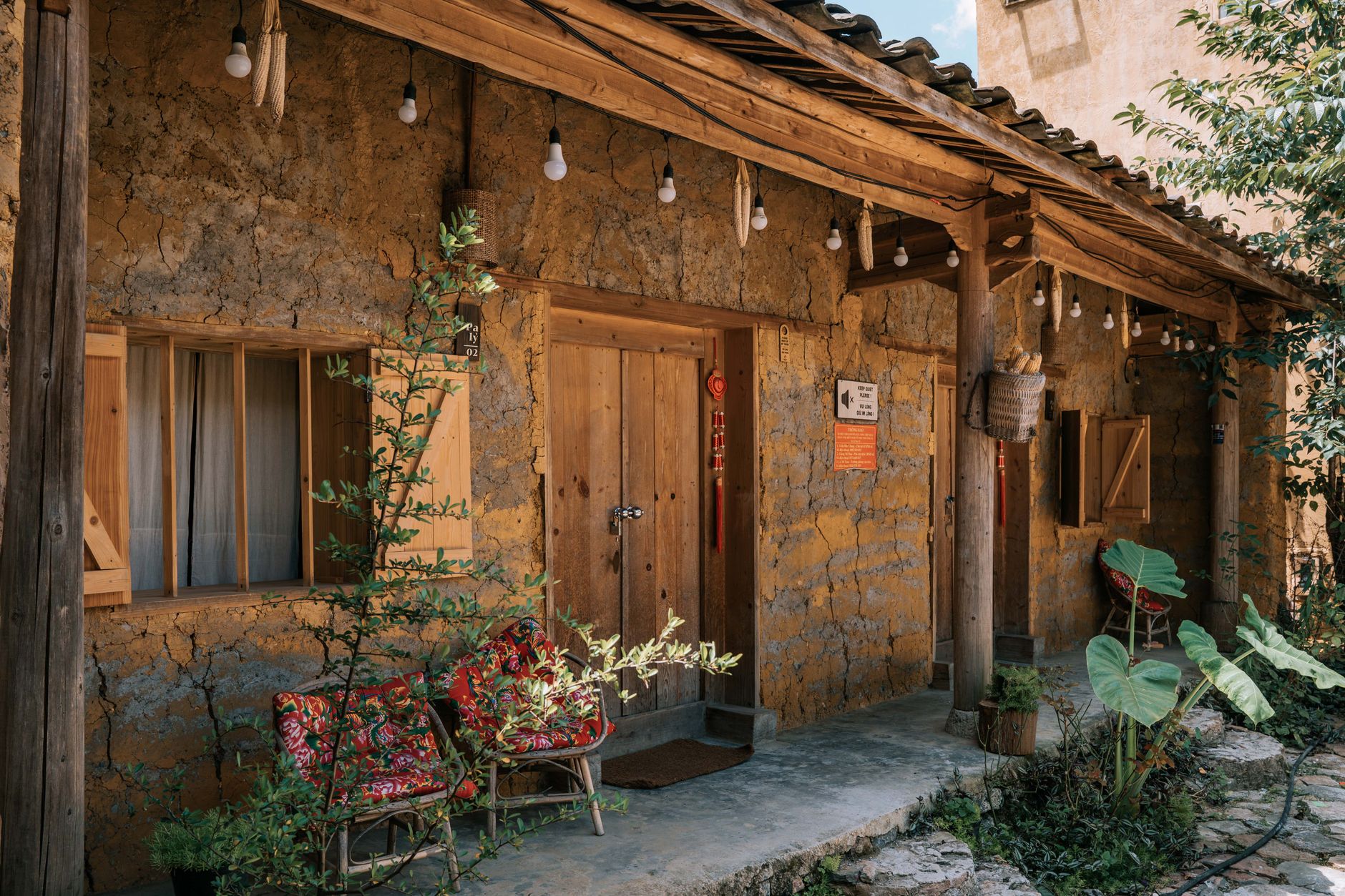
What Is a Coorg Homestay and Why Choose One?
A Coorg homestay is a bedroom or small cottage in a local family's home, usually on or near a coffee plantation. You get breakfast (sometimes dinner), direct access to owners who know the region, and costs 30–50% lower than mid-range hotels. Most are family-run; expect genuine conversation, home cooking, and practical advice on trails, markets, and weather—not service-industry polish.
Cost reality: Double rooms run ₹1,500–₃,500 per night depending on season and amenities. Peak season (November–February) pushes top-end homestays toward ₹4,000. Off-season (May–July) drops to ₹1,200–₂,000. Breakfast included; dinners cost extra (₹300–₅00).
Where Are Most Homestays Located?
Coorg's main homestay clusters sit in three zones:
Related: Talakaveri and Bhagamandala: The Cauvery Origin Trip
Related: Amogha International Hotel Chitradurga: Location, Amenities & Booking Guide
Related: Daroji Sloth Bear Sanctuary from Hampi: The Complete Visitor's Guide
Madikeri town centre: Walking distance to markets, restaurants, and the palace. Noisier. Better for independent travellers who want to explore town. 5-minute walk to food and shops.
Plantation belt (Kakkabe, Sampaje, Pollibetta): Quieter, surrounded by coffee estates. 15–25 km from Madikeri; require your own transport. Ideal for plantation tours and trekking. Roads are narrow and winding; allow 45 minutes from town.
Kodagu foothills (Abbey Falls vicinity): Middle ground between town and remote plantations. 15 km from Madikeri. Close to waterfalls and forest walks. Roads better than deeper plantations.
If you're renting a scooter or car, plantation homestays offer isolation and authentic experience. If relying on shared taxis or local buses, Madikeri-adjacent homestays save time and frustration.
What's Included and What Isn't?
Typically Included
- Bedroom (usually double, sometimes twin options).
- Breakfast: bread, omelette, fruit, coffee, sometimes rice and sambar.
- Wi-Fi (variable quality—don't depend on it for work).
- Basic housekeeping.
- Owner advice on local activities.
Not Included
- Lunch or dinner (unless negotiated beforehand—many owners cook dinner for ₹400–500 per person if you ask in advance).
- Activities: plantation tours, hikes, jeep rides cost separate (₹500–2,000).
- Transport: scooter/car rental or taxi needed if you're not in town.
- Air conditioning: many budget homestays don't have AC; fans suffice in November–February.
Variations by Price Tier
₹1,500–₂,200: Basic bedroom, shared or private bathroom, fan, no frills. Suitable for budget travellers and long stays.
₹2,200–₃,200: Private bathroom, better linens, courtyard or small porch. May have a fridge or small kitchenette.
₹3,200–₄,000: AC option, better breakfasts, some plantation access, small garden seating.
Above ₹4,000, you're overlapping with small heritage hotels or boutique properties. Homestay character diminishes.
How to Book a Coorg Homestay
Direct (Cheapest, Requires Effort)
Search Google Maps for "Coorg homestays" or ask in Madikeri bazaar tourist shops. Local shops hold contact details. You'll negotiate rates, confirm by phone (often no email reply), and pay cash on arrival or via UPI. No cancellation protection; book only if sure.
Pros: Save 10–20% commission; direct conversation with owners. Cons: No reviews guarantee; risky if property doesn't exist or is misrepresented. Need local phone number and basic Hindi/Kannada.
Online Platforms
Airbnb: 200+ Coorg listings. Airbnb Experiences (plantation tours, cooking classes) integrated. Search ₹1,500–3,500 range, read reviews carefully. Cancellation policies vary. Takes 10% + payment fees (3–5%).
Booking.com: Fewer homestays than Airbnb but solid search filters. Instant confirmation. Good for credit-card safety. Price inflated by ~8% vs. direct booking.
Stayzilla, Tripease (Indian platforms): Smaller inventory, sometimes lower prices (5–15%). Less international interface; assume Indian phone contact required.
Best Practice Booking
- Use Airbnb or Booking for safety and reviews if first-time; pay premium for certainty.
- Once familiar, contact repeat stays direct via WhatsApp (most owners use it).
- Book 2–3 weeks ahead in peak season (November–February); 1 week ahead off-season.
- Confirm check-in time (2 p.m. standard), Wi-Fi password, water heating (essential in December–January mornings), and pickup from Madikeri bus stand if needed (₹500–800).
What's the Experience Really Like?
Breakfast: Expect 7–9 a.m. knock on your door. Bread, butter, jam, scrambled egg or omelette, banana or papaya, instant or filter coffee. Some add idli, dosa, or upma. Home-style, not café quality, but generous.
Owners: Mostly retired couples or middle-aged families who've shifted to homestays. Chatty. Will advise on trails, warn you about leeches in monsoon, tell you which plantation owner allows touring. Some speak English; many don't. Kannada or Hindi helps.
Maintenance: Water heaters are temperamental in winter. Electricity cuts happen (not rare). Wi-Fi drops. Accept this or pay ₹3,500+ for a proper hotel.
Noise and privacy: Plantation homestays are quiet. Town ones hear traffic. Expect neighbours nearby; it's a family home, not a hotel.
Plantation access: Many homestays sit on or near coffee estates. Owners often facilitate casual walks or tours. Don't assume—ask on arrival. Formal plantation tours (Karen or Tata estates) require separate bookings.
Is a Homestay or Hotel Better for Coorg?
Choose homestay if:
- Budget under ₹4,000/night.
- You want local knowledge and meals.
- You're comfortable without AC in cool months.
- Happy to arrange own transport.
- Staying 3+ nights (value improves).
Choose hotel if:
- You need reliable Wi-Fi and AC.
- Visiting in May–July (humid; AC matters).
- Arriving late (hotels have late check-in; homestays don't).
- First time in Coorg; want structured tours included.
- Staying only 1 night (booking hassle outweighs savings).
Direct comparison: A mid-range hotel (Radisson, Vivanta) runs ₹4,500–7,000, includes gym, restaurant, 24-hour staff. Homestay at ₹2,500 offers fewer amenities but personality, home cooking, and owner guidance. If comfort and convenience matter more than authenticity, choose hotel.
Practical Tips for Coorg Homestay Stays
- Timing: November–February is cool and dry; book 3 weeks ahead. June–August is rainy (lush, fewer tourists). May and September–October are hot and humid.
- Transport: Rent a scooter (₹500/day) or car (₹1,500–2,500) for flexibility. Taxis are expensive (₹50/km). Local buses exist but run on plantation time.
- Leeches: Carry salt or cigarette lighter if trekking July–September. Avoid after rain.
- Cash: Small towns don't always have ATMs. Madikeri has several. Card payments unreliable in homestays.
- Language: English understood in Madikeri; plantation areas speak Kannada and Kodagu. Download Google Translate offline or learn "namaskar," "dhanyavaada," and "water please."
FAQ
Can I cook in a homestay? Most homestays don't permit cooking in rooms. Ask if kitchen access is possible; some allow it for ₹200–300 extra. Usually not worth negotiating unless you're staying 7+ nights.
Do homestays accept single travellers? Yes, though rates may be same as double (no discount) and some require minimum 2-night stays. Book directly and confirm.
What if I arrive after dark or have a late flight? Inform the owner in advance. Most won't accept late arrivals without notice. Hotels are safer for last-minute timing.
Are homestays family-friendly for kids? Yes, generally safer and more personal than hotels. Confirm the property has stairs, animals, or breakables that might bother young children. Owners often provide hot water, play space, and can heat baby food.
Further reading: Explore Coorg's best time to visit and Coorg attractions and activities to plan your stay timing and what to do during your homestay visit.